The trust in Dynasty Stomatology is built on a combination of many years of experience and an individual approach to every patient. We understand that a visit to the dentist is often accompanied by anxiety, so we place special emphasis on creating a comfortable and calm atmosphere where every patient feels safe.
The clinic is equipped with modern technology and uses advanced treatment methods, ensuring that procedures are carried out with maximum precision, efficiency, and comfort. All materials undergo strict quality control, and our doctors regularly improve their qualifications to offer only the most up-to-date and proven techniques.
In addition, Dynasty Stomatology values long-term relationships with patients. Our goal is not only to solve the problem at hand but also to maintain the health of teeth and gums for years to come. Openness, honesty, and transparency are the key principles that have earned the clinic its reputation as a reliable dental partner.
Facts about Dynasty Stomatology:
✅ Over 10 years of successful work in dentistry.
✅ Hundreds of positive reviews from patients in [Страна в соответствии с регионом] and abroad.
✅ We use premium materials from leading global brands.
✅ We offer treatment under sedation and general anesthesia.
✅ A full range of services — from pediatric dentistry to complex surgical operations.
Dynasty Stomatology — trust, expertise, reliability, and care for the beauty of your smile.
Dynasty Stomatology’s doctors conduct medical reviews of all materials on the website to ensure their accuracy and practical value. Our authors and editors are experienced specialists in the fields of therapeutic, surgical, orthopedic, and pediatric dentistry. This approach allows us to maintain high professional standards and provide our readers with only verified, up-to-date, and useful information.
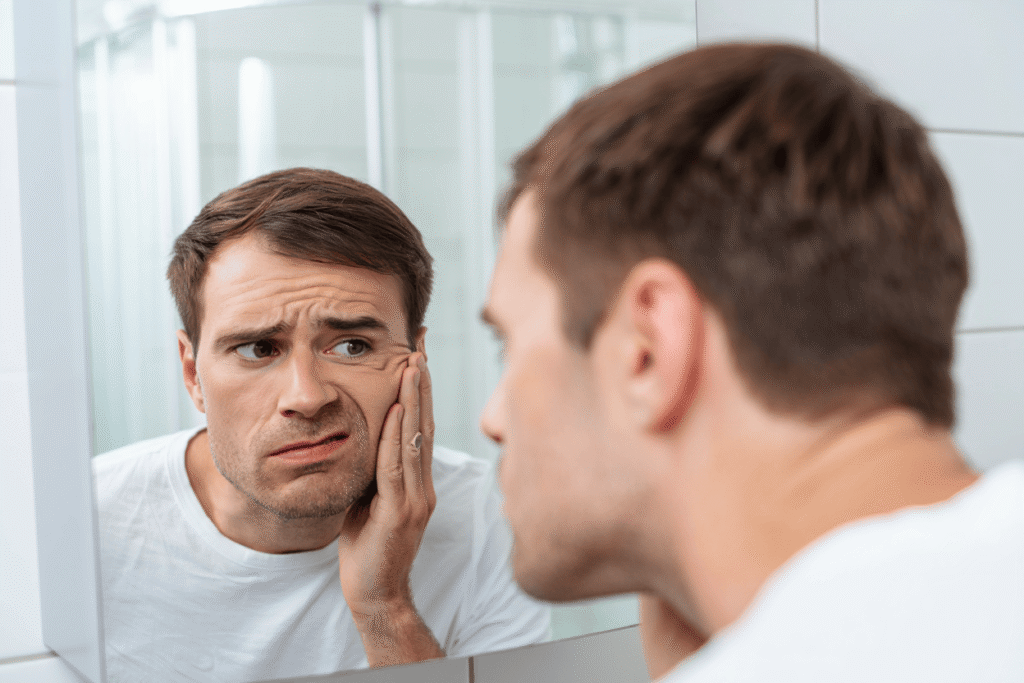
Tooth sensitivity can make everyday activities like eating, drinking, or even breathing in cold air unexpectedly uncomfortable. Whether the discomfort is occasional or persistent, addressing it early can help improve your quality of life and prevent more serious dental issues. In this article, we’ll explore practical ways to relieve tooth sensitivity and steps you can take to protect your teeth from future pain.
What are sensitive teeth?
Sensitive teeth refer to a common dental condition where you feel sharp pain or discomfort in one or more teeth when exposed to hot, cold, sweet, or acidic foods and drinks, or even when brushing teeth. This sensitivity occurs when the protective layers of your teeth, such as tooth enamel, become worn down, exposing the nerve inside the tooth. If you have a sensitive tooth or experience pain in your teeth, it could be a sign of an underlying issue that needs to be addressed by a dentist.
Causes Sensitive Teeth
If you’ve been wondering, “Why do my teeth ache?”, the cause of your sensitive teeth could be one or more of the following:
Acidic foods;
Brushing too hard;
Cracked tooth;
Gum disease;
Gum recession;
Mouthwash use;
Plaque buildup;
Teeth grinding;
Teeth whitening products.
Tooth Sensitivity Treatment
Managing and treating tooth sensitivity involves both at-home care and professional dental solutions, depending on the severity and underlying causes. If you’re experiencing tooth pain, especially sudden or sharp pain when brushing teeth or drinking cold beverages, addressing the root issue is key to long-term relief and preventing further discomfort.
Here are the most common treatment for sensitive teeth pain and how they help:
Desensitizing toothpaste – A simple and effective home remedy that helps block pain signals from reaching the nerve, providing relief from sensitive areas of your teeth.
Dental bonding or sealants – Applied by a dentist for sensitive teeth, these protect exposed parts of the tooth, especially near the gum line, reducing sensitivity and pain.
Fluoride – Strengthens tooth enamel and reduces pain and sensitivity by decreasing exposure of nerve endings in hypersensitive teeth.
Mouthguard – If you grind your teeth at night, using a mouthguard helps prevent tooth wear and reduce pain caused by pressure and friction.
Root canal therapy – Recommended for severe tooth sensitivity when pain persists and other treatments fail; it addresses deep nerve inflammation and helps stop pain from tooth.
Lifestyle changes – Avoiding acidic foods, using a soft-bristled brush, and not brushing too hard can prevent tooth enamel erosion and reduce toothache pain.
If your teeth are super sensitive or you experience severe pain, seek immediate treatment for teeth pain to avoid complications.
A dentist sensitive teeth expert can identify the causes of tooth sensitivity, explain the sensitive teeth meaning, and suggest the right teeth pain remedy, including a filling or crown, fluoride treatment, or other medicine of teeth pain solutions. If your teeth are super sensitive, don’t delay — seek pain relief and protect your smile.
What happens if you don’t treat it?
Ignoring tooth sensitivity can lead to more serious dental issues that cause persistent discomfort and long-term damage. If you’ve ever asked yourself “how do I stop tooth pain?” or “how to stop teeth from hurting?”, know that early care is key.
Possible complications:
An infected tooth;
Cavities;
Gum disease;
Long-term or worsening pain.
If you have super sensitive teeth, don’t wait. A dentist for sensitive teeth can help stop sensitive teeth pain, reduce tooth pain, and recommend treatment for teeth pain that works. There are ways to soothe sensitive teeth and prevent tooth sensitivity before it turns into something more serious.
Tooth Sensitivity Prevention
If you’re wondering how to prevent toothache pain or stop tooth sensitivity before it starts, the good news is that small daily habits can make a big difference. Here are some practical steps to help reduce discomfort and prevent sensitive teeth from developing or worsening:
Brushing and flossing gently every day – Brushing your teeth too aggressively can damage enamel and expose the tooth root, leading to tooth sensitivity. Use gentle motions to protect your enamel.
Limiting acidic foods like citrus and pickles – These can erode enamel over time, causing tooth sensitivity and temporary tooth pain.
Seeing your dentist regularly for cleanings and checkups – A dentist for sensitive teeth can help detect issues early, offer a treatment for teeth pain, and provide guidance on how to manage tooth sensitivity.
Trying desensitizing toothpaste to reduce pain – Specially formulated toothpaste can alleviate tooth discomfort by blocking the pain signals.
Using fluoride products to strengthen teeth – Fluoride helps remineralize enamel and ease tooth pain caused by weakened surfaces.
Using a soft-bristled toothbrush to avoid further damage – Hard bristles can irritate sensitive teeth, so switch to a gentle brush to avoid making your teeth hurt more.
Wearing a mouth guard if you grind your teeth – Nighttime grinding is one of the common causes of sensitive teeth. A guard helps prevent tooth root exposure and tooth enamel loss.
These habits can not only stop tooth pain but also reduce the risk of tooth inflammation, persistent tooth discomfort, and damage over time. If your teeth are sensitive or you’re thinking, why do my teeth hurt?, these simple strategies might be the answer.
When should sensitive teeth be treated by a dentist?
If you’re wondering when should I see a dentist for sensitive teeth, the answer is simple: don’t wait if the pain is intense, persistent, or disrupting your daily life. A dentist sensitive teeth specialist can diagnose the cause and offer the right treatment. You should also seek help if:
Your teeth hurt sensitive to hot, cold, or sweet food and drinks.
The pain lingers after exposure or appears suddenly without a clear cause.
You feel throbbing pain or pressure deep in the tooth.
There’s visible damage, like a cracked or chipped tooth or exposed tooth.
You experience symptoms of tooth decay or gum recession.
Home remedies you can try offer no relief.
Don’t ignore temporary tooth sensitivity, especially if it becomes frequent. Tooth sensitivity causes discomfort and may signal tooth enamel over time has worn down, or that you’re dealing with a very sensitive tooth due to a deeper cause sensitivity such as infection or decay.
If you’re asking how to stop tooth pain, how to avoid tooth pain, or how can you stop a tooth from hurting — a dental visit is often the safest, fastest route. Over-the-counter pain relievers and cold compress may help, but treatment teeth pain requires professional care, especially when teeth too sensitive or pain can lead to further problems.
Sensitive teeth – Conclusion
Tooth sensitivity can cause sudden pain and discomfort that interferes with everyday activities like eating, drinking, or even breathing in cold air. Whether your teeth are sensitive due to enamel wear, gum recession, or other issues that contribute to tooth sensitivity, it’s important not to ignore the symptoms. If your teeth are feeling sensitive, you experience pain often, or wonder “why is my tooth aching?”, you should seek proper care.
Using home remedies and tips for sensitive teeth may help tooth sensitivity temporarily, but they are not a permanent solution. A hurt tooth or affected tooth may need professional attention to stop a sore tooth.
If your teeth are too sensitive or you keep asking “how can I stop teeth pain?”, don’t wait. The dentists at our clinic will identify the exact causes of your sensitivity teeth and offer treatment options to help tooth sensitivity, stop aching teeth, and restore comfort. Contact us today and let our specialists help you feel better.
FAQ
Can tooth sensitivity signal a more serious underlying dental condition?
Yes. In some cases, tooth sensitivity is caused by underlying issues such as tooth decay, cracked teeth, or gum disease. These conditions can lead directly to the teeth nerve and require prompt treatment to stop a tooth from hurting and prevent long-term damage.
Is the sensitivity that follows professional whitening or at-home bleaching permanent?
No, it is usually a temporary pain that fades within a few days. However, if your teeth are super sensitive after whitening and the discomfort persists, it may indicate a deeper problem due to tooth enamel damage.
How long does it usually take for desensitizing toothpaste to start working?
Desensitizing toothpaste can take several days to a few weeks to show results. Consistent use can help stop pain from teeth and ease the sensitive teeth symptom, especially if the product contains potassium nitrate or stannous fluoride.
Are electric toothbrushes recommended for people with sensitive teeth?
Yes, but only those designed specifically for teeth feeling sensitive. Soft-bristled heads and pressure sensors help avoid excessive force, which can worsen sensitivity and make it harder to stop sore tooth pain.
Does pregnancy or hormonal change make teeth more prone to sensitivity?
Hormonal fluctuations, especially during pregnancy, can cause gum inflammation, increasing the likelihood of teeth sensitive responses. Proper oral care is essential during these times to manage tooth sensitivity pain.
Why do my teeth feel more sensitive during cold weather or when I breathe in chilly air?
Exposure to cold air can trigger pain in exposed dentin. If you've ever wondered “my teeth hurt why” in winter, it's often related to enamel wear or gum recession, which leaves nerve endings vulnerable.
Are home remedies such as salt-water or baking-soda rinses actually effective for sensitivity relief?
They can provide mild relief and help stop aching teeth short-term, but they are not a substitute for professional care or proven teeth sensitivity medicine.
Does age increase or decrease the likelihood of developing sensitive teeth?
Age can increase the risk as enamel wears down over time. As a result, teeth sensitivity meaning becomes more relevant with aging, especially if dental habits are not adjusted accordingly.
Can specific vitamins, minerals, or dietary choices help strengthen enamel against sensitivity?
Yes. Calcium, phosphorus, and vitamin D support strong enamel, which can help stop a tooth pain and reduce the effects of erosion or acidic foods — key causes sensitive teeth.
Do orthodontic devices like braces or clear aligners cause temporary tooth sensitivity?
Yes, they often cause tooth sensitive reactions, especially after adjustments. This kind of sensitivity is usually short-term, and rinsing with warm salt water or using recommended gels can help stop an aching tooth.