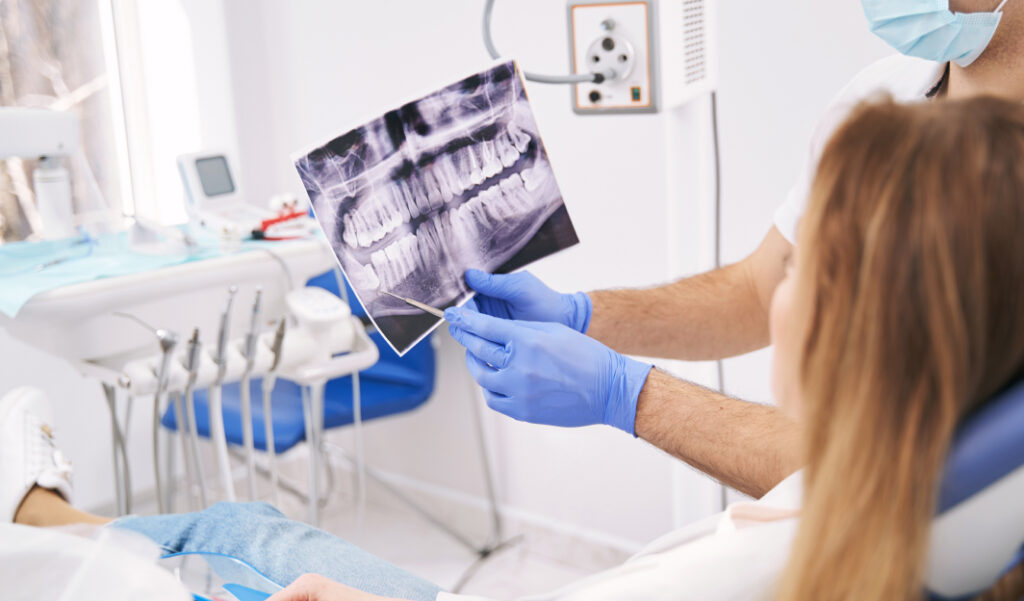
The trust in Dynasty Stomatology is built on a combination of many years of experience and an individual approach to every patient. We understand that a visit to the dentist is often accompanied by anxiety, so we place special emphasis on creating a comfortable and calm atmosphere where every patient feels safe.
The clinic is equipped with modern technology and uses advanced treatment methods, ensuring that procedures are carried out with maximum precision, efficiency, and comfort. All materials undergo strict quality control, and our doctors regularly improve their qualifications to offer only the most up-to-date and proven techniques.
In addition, Dynasty Stomatology values long-term relationships with patients. Our goal is not only to solve the problem at hand but also to maintain the health of teeth and gums for years to come. Openness, honesty, and transparency are the key principles that have earned the clinic its reputation as a reliable dental partner.
Facts about Dynasty Stomatology:
✅ Over 10 years of successful work in dentistry.
✅ Hundreds of positive reviews from patients in [Страна в соответствии с регионом] and abroad.
✅ We use premium materials from leading global brands.
✅ We offer treatment under sedation and general anesthesia.
✅ A full range of services — from pediatric dentistry to complex surgical operations.
Dynasty Stomatology — trust, expertise, reliability, and care for the beauty of your smile.
Dynasty Stomatology’s doctors conduct medical reviews of all materials on the website to ensure their accuracy and practical value. Our authors and editors are experienced specialists in the fields of therapeutic, surgical, orthopedic, and pediatric dentistry. This approach allows us to maintain high professional standards and provide our readers with only verified, up-to-date, and useful information.
A tooth rarely decays overnight. First, there’s mild sensitivity. Then a dark spot. Then a small chip. Later, pain. And with it, anxiety and the question: can it still be saved?
We’re used to thinking of dentistry as two extremes. Either a regular filling or an extraction. But there are dozens of modern options in between. These are the areas covered by restorative dentistry — a field focused on preserving and rebuilding teeth.
The good news is that modern dentistry can do much more than many people realize. Today, almost anything can be restored: a decayed tooth, the consequences of cavities, and even completely lost teeth. And in most cases, it’s faster, more careful, and more comfortable than you expect.
In this article, we’ll explore what restorative dentistry is, when it’s truly necessary, the various procedures available, and how to choose the solution that’s right for you. We’ll explain everything in clear, straightforward language. Because dental health isn’t a secondary issue, it’s the foundation of your quality of life.
What is Restorative Dentistry?
Restorative dentistry refers to a branch of dentistry that deals with the diagnosis and treatment of damaged teeth, as well as the restoration of lost tissue.
Simply put, restorative dentistry focuses on repairing dental structures damaged by trauma, infection, or decay.
The primary goals of restorative dentistry are:
Preserve natural teeth.
Prevent further decay.
Restore chewing function.
Maintain overall oral health.
Difference Between Restorative and Cosmetic Dentistry
Cosmetic dentistry is primarily aimed at improving the appearance of your teeth. For example, veneers and whitening are aesthetic treatments.
At the same time, restorative dental treatment addresses functional issues, such as treating tooth decay, eliminating infections, and treating tooth loss. Modern aesthetic restorative dentistry combines aesthetics and function.
When Do You Need Dental Restoration?
Most people put off visiting the dentist until they’re experiencing pain. But the sooner the problem is detected, the easier, faster, and cheaper it is to resolve. You may need restorative treatment if you notice the following signs:
Damaged tooth structure. Cracks, enamel wear, and tooth structure destruction may not cause pain for a long time. However, bacteria penetrate deeper through microcracks, leading to inflammation. In such cases, timely tooth structure repair is necessary to save the tooth and avoid more complex treatment.
Stains and Chips. Even a small chip disrupts the tooth’s anatomy and the distribution of chewing forces. Over time, this can lead to further damage. Dental bonding is used in such situations. This method allows for the gentle restoration of shape and aesthetics without significant intervention.
Tooth Decay. An untreated cavity gradually enlarges and may lead to deeper infection.If the infection reaches the root of the tooth, full root canal therapy may be required.
Persistent bad breath is often associated with underlying inflammatory processes or tissue destruction.
Inflammation of the mucous membrane of the mouth. These conditions may accompany infectious processes and require professional evaluation.
Common Restorative Dentistry Procedures
Restorative dentistry includes modern therapeutic and reconstructive treatments designed to restore teeth to health and function. Below, we’ll discuss the most common and effective restorative dentistry procedures that truly help preserve your smile and chewing comfort.
Common fillings that stop tooth decay and restore tooth structure. They are used as direct dental restorations, including composite fillings for a natural look.
Root Canal Therapy — root canal treatment for deep tooth decay. Preserves the tooth root and prevents tooth loss.
Dental Bonding — a quick way to repair chips and defects, improving the appearance of your teeth.
Treatment of early caries using the ICON technique — a minimally invasive approach that treats decay without drilling.
Cavity treatment — removal of diseased tissue and placement of fillings to protect against further decay.
Halitosis treatment — eliminates unpleasant odor associated with bacteria or hidden dental issues.
Pulpitis treatment — treatment of inflamed pulp as part of restorative dental services to save the tooth.
Prevention of stomatitis — treatment of mucosal lesions and viral infections to restore oral health.
Oral sanitation before medical procedures — professional cleaning to reduce the risk of infection before dental procedures.
Aesthetic restoration of teeth — crowns, veneers, and other restorative dental procedures that restore shape, color, and restorative chewing function.
Therapeutic dentistry – The Restorative Process
Many people think that tooth restoration is a quick and simple process. But in practice, it’s a sequential clinical process, where each step influences the outcome. That’s why the restorative dentistry process is structured in stages and systematically. Let’s look at each step in detail.
1. Consultation and Examination
The first stage is a detailed examination. An experienced dentist assesses the condition of the hard tissues, the bite, the level of stress on the teeth, the condition of the gums, and the presence of hidden inflammation. If necessary, X-rays or digital scanning are performed. At this stage, it’s important not just to identify the problem, but to understand its cause.
2. Treatment Plan
Following diagnosis, a personalized plan is developed. The patient is offered specific dental restoration options, with details on the timeframe, materials, and prognosis. At this stage, the type of restorative procedure is determined—whether it will be a local restoration, a crown, an inlay, or a more comprehensive approach. The dentist always considers the tooth’s load, aesthetic requirements, and the long-term stability of the result.
3. Tooth Preparation
Next, clinical preparation is performed. Damaged tissue is removed, infection sites are eliminated, and a proper foundation for the future restoration is created. It is important to preserve as much healthy tissue as possible. In essence, a precise restoration of tooth anatomy is performed — a shape is created that will allow the structure to fit tightly and correctly distribute chewing pressure.
4. Creating the Restoration
After preparation, the actual construction begins. If it’s a crown, inlay, or onlay, impressions are taken, or digital scans are performed, and a custom-made restoration is created in the lab. At this stage, color, translucency, shape, and even surface microrelief are considered to ensure the future dental restoration closely resembles a natural tooth.
5. Placement and Adjustment
Once the restoration is ready, a fitting-and-bonding procedure is performed. The dentist checks the contact with adjacent teeth, adjusts the bite, and assesses comfort. The restoration is secured in place to fully restore the ability to chew and ensure long-term stability.
6. Aftercare
The final stage is monitoring and care. Even the highest-quality restoration requires proper care and regular checkups. Systematic care is key to extending the lifespan of long-term dental restorations and maintaining their results for years to come.
How to Prepare for Restorative Treatments
Proper preparation for treatment is a crucial part of success. Even the most modern methods offered by advanced restorative dentistry today require patient participation. The more attentive you are in preparation, the easier the procedure will be and the more stable the results will be.
Initial Consultation and Diagnosis
It all starts with a consultation at the dental office. The doctor assesses the current condition of your teeth and gums, discusses your dental concerns, and selects suitable dental restoration options. At this stage, it’s important to be honest about your symptoms, sensitivity, and expectations. This helps select the right types of restorative dental procedures and predict the outcome.
Pre-Treatment Tips for Better Outcomes
Before treatment, it’s important to follow basic rules. Maintain good dental care. Brush your teeth twice a day and floss. It’s advisable to have a professional cleaning beforehand to reduce the risk of inflammation.
Avoid hard and sticky foods if you have chipped or weakened teeth. Be sure to inform your doctor about any chronic illnesses and medications you’re taking. If sedation is planned, arrange transportation in advance.
And most importantly, don’t be shy about asking questions. Understanding the stages of treatment and its goals helps you feel more comfortable with the process.
Post-Treatment Care and Maintenance
To ensure the results last for years, it’s important to properly care for your teeth after the procedure. Regular maintenance helps maintain the results of restorative dental care and maximizes the benefits of restorative dentistry.
Maintaining Oral Hygiene After Restorative Procedures
After the restoration is placed, it’s especially important to pay special attention to hygiene. Brush your teeth twice a day, floss, and use a water flosser if needed. This helps maintain tooth preservation.
Even if extensive dental rehabilitation or if you’ve undergone full-mouth reconstruction, home care remains the foundation of long-term results.
Regular Checkups and Professional Cleanings
Preventive visits allow for early detection of potential changes. Regular professional cleanings prevent inflammation and recurring dental problems. The dentist checks the condition of restorations, the bite, and the load, especially if damaged or missing teeth have been replaced or if implants have been installed to correct missing teeth.
Recognizing Signs That Require Follow-Up
Consult your dentist if you experience pain, increased sensitivity, discomfort when chewing, or a feeling of looseness in your appliance. Early consultation allows for prompt correction and maintenance of treatment results.
Significant Benefits of Restorative Dentistry
Many patients come to us because of pain or a chip, but ultimately receive much more. They experience comfort, confidence, and stable results for years to come. That’s why restorative dentistry offers a comprehensive approach that impacts not only teeth but also overall well-being.
The main goal is functional tooth restoration. The dentist doesn’t simply close the defect; they restore the shape, strength, and natural appearance of the tooth. Modern materials allow you to restore your smile as naturally as possible.
Timely repair of damaged areas helps avoid tooth extraction. And if the problem has already led to tooth loss, there are effective solutions to replace missing teeth and maintain the load on the jawbone.
When one tooth is damaged, the load is distributed incorrectly. Restorative treatment helps rebalance the bite and protects adjacent teeth from overload and cracks.
Eliminating the source of infection reduces the risk of complications and protects the body as a whole.
Healthy teeth directly impact nutrition, diction, and confidence. Properly selected tooth restoration options help maintain stable oral health.
Early intervention prevents complex and expensive procedures in the future. Restorative dentistry can help stop the problem at an early stage.
Side Effects of Restorative Dentistry
It’s important to us that you feel calm and confident before your treatment. Most procedures are performed without complications, especially when performed by an experienced specialist. However, as with any medical procedure, temporary reactions are possible. Knowing about them in advance will help you feel more comfortable and understand what’s normal and what requires your doctor’s attention.
Minor side effects can occur:
Mild jaw soreness is possible after prolonged treatment.
Minor bleeding may occur after gum manipulation.
Slight swelling is a natural reaction to the procedure. It gradually subsides as healing progresses.
Mild throat irritation may occur after prolonged treatment. This resolves on its own.
Discomfort is possible during the first few hours after anesthesia or implant placement.
More severe side effects are rare but can include:
Infection around the wound site. A very rare complication, it is usually prevented by following the doctor’s recommendations and practicing good hygiene.
Damage to surrounding teeth or tissues. Modern restorative dentistry protocols offer a high level of safety, but in complex clinical cases, individual reactions are possible.
Numbness in the lips or tongue. In rare cases, numbness may persist longer than usual after anesthesia. If the sensation persists, consult a doctor.
How Much Does Restorative Dentistry Cost on average at Dynasty Stomatology
The cost of restorative treatment can vary depending on several factors. It’s important to consider the long-term value of the result. After all, high-quality restoration helps avoid repeat treatments and more significant future expenses. Below we have listed the prices for treatment at Dynasty Stomatology.
Diagnostic and Consultation
Dental examination — 900 CZK
Consultation + examination and treatment plan — 1 500 CZK
Restorations
Front tooth restoration — 2700-4800 CZK
Dental Implant Placement
JDental (Italy) — 21 000 CZK
Megagen (South Korea) — 24 000 CZK
Straumann (Switzerland) — 30 000 CZK
Zirconia implant crown — 14 000 CZK
Temporary implant crown — 7 200 CZK
Non-removable temporary denture on implants — 36 000 CZK
Non-removable permanent denture on implants — 120 000 CZK
Сonclusion — What Do You Need to Know about Restorative Dentistry
Restorative dentistry is different from cosmetic dentistry. It addresses the appearance, function, and well-being of your smile every day. Whether it’s a simple filling or a more complex procedure, such as replacing damaged or missing teeth, the goal is always the same — maintaining your health and preserving as much of what can be saved as possible.
It’s important to understand that the sooner you seek treatment, the simpler the treatment will be, the less expensive and stressful it will be. Early intervention allows you to choose gentler and more comfortable restorative options.
At Dynasty Stomatology, we use modern technologies and materials to ensure that every restoration is as precise, durable, and natural as possible. Here you’ll receive a full range of restorative dentistry services, from simple fillings to comprehensive full-mouth restorations, with a personalized approach and attention to your comfort.
We hope this complete guide to restorative dentistry has helped you better understand restorative treatments and feel confident in choosing the right method.
FAQs about Restorative Dentistry
Is the restorative process painful?
Most procedures are performed with minimal discomfort thanks to modern anesthesia techniques. Even more complex procedures, such as indirect dental restorations or post and core restorations, are performed with the goal of ensuring your comfort at every stage.
How do I know which restorative treatment is right for me?
An experienced dentist will assess the condition of your teeth, the extent of damage, and your goals. Restorative treatments also include various types of dental procedures, so together you can choose the solution that's right for you.
What is basic restorative dental treatment?
This is a simple restoration of a tooth after decay or chipping, including fillings, minimal tooth sensitivity treatment, and light repair or replacement of dental tissue. Even basic interventions help maintain health and prevent complications.
How long does tooth restoration take?
The time frame depends on the complexity of the procedure. A simple filling is completed in one visit, while complex solutions involving crowns or implants may require multiple appointments for precise fabrication and installation.
How long does tooth restoration last?
With proper care and regular checkups, many restoration projects last a long time. High-quality materials ensure years of comfortable use.
How can I fix my teeth if I have no money?
Don't delay treatment due to financial difficulties. Dynasty Stomatology offers payment plans with installments. Terms are tailored to the individual needs of the procedure, depending on its complexity and cost, and our administrator will help you choose the most convenient option.
What does a restorative dentist do?
This dentist specializes in restoring the structure, function, and aesthetics of teeth. They work with a variety of restorative procedures, including fillings, crowns, solutions for tooth loss, and complex restorations.
What is the difference between restorative and cosmetic dentistry?
Cosmetic dentistry focuses on appearance, while restorative dentistry addresses functional issues, such as preserving teeth, relieving pain, and restoring chewing function. Modern methods allow for the combination of aesthetics and health.
What are the most common restorative dental procedures?
The most popular procedures are fillings, root canal treatment, indirect dental restorations, post and core restorations, crowns, and implants.
Start Your Treatment Today
Don’t put off addressing the problem. Even minor sensitivity or a chip can eventually lead to more complex and expensive treatment.
At Dynasty Stomatology, we perform a detailed diagnosis, explain all possible treatment options, and select the optimal solution based on your dental condition, budget, and expectations.
Schedule a consultation today and take the first step toward restoring the health, comfort, and confidence of your smile.