The trust in Dynasty Stomatology is built on a combination of many years of experience and an individual approach to every patient. We understand that a visit to the dentist is often accompanied by anxiety, so we place special emphasis on creating a comfortable and calm atmosphere where every patient feels safe.
The clinic is equipped with modern technology and uses advanced treatment methods, ensuring that procedures are carried out with maximum precision, efficiency, and comfort. All materials undergo strict quality control, and our doctors regularly improve their qualifications to offer only the most up-to-date and proven techniques.
In addition, Dynasty Stomatology values long-term relationships with patients. Our goal is not only to solve the problem at hand but also to maintain the health of teeth and gums for years to come. Openness, honesty, and transparency are the key principles that have earned the clinic its reputation as a reliable dental partner.
Facts about Dynasty Stomatology:
✅ Over 10 years of successful work in dentistry.
✅ Hundreds of positive reviews from patients in [Страна в соответствии с регионом] and abroad.
✅ We use premium materials from leading global brands.
✅ We offer treatment under sedation and general anesthesia.
✅ A full range of services — from pediatric dentistry to complex surgical operations.
Dynasty Stomatology — trust, expertise, reliability, and care for the beauty of your smile.
Dynasty Stomatology’s doctors conduct medical reviews of all materials on the website to ensure their accuracy and practical value. Our authors and editors are experienced specialists in the fields of therapeutic, surgical, orthopedic, and pediatric dentistry. This approach allows us to maintain high professional standards and provide our readers with only verified, up-to-date, and useful information.
When it comes to enhancing your smile, both veneers and composite bonding offer effective and aesthetic solutions. Choosing between the two often depends on your specific dental concerns, long-term goals, and budget. In this article, we’ll explore their key differences to help you make an informed decision.
What Are Veneers?
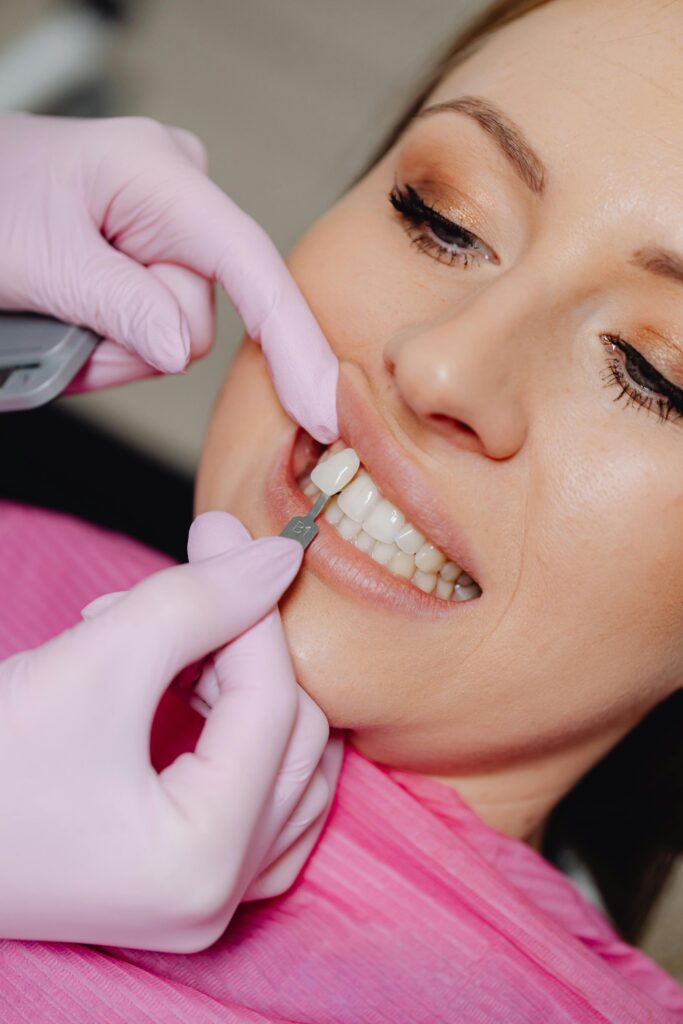
It is important to define veneers clearly before choosing the right treatment. Veneers are thin, custom-made shells that cover the front surface of teeth to improve their appearance.
Veneers are an ideal choice for:
Chipped or broken teeth;
Severe discoloration;
Gaps between teeth;
Slightly crooked or uneven teeth;
Worn-down teeth.
Porcelain veneers are highly durable and resist stains better than composite resin bonding, making them a long-lasting dental treatment option.
Advantages of Veneers
Veneers offer excellent cosmetic dental results and are often considered the best treatment for enhancing the appearance of natural teeth.
Veneers in dentistry are popular due to the following advantages:
Long-lasting results – veneers can last up to 15 years with proper care.
Stain-resistant – porcelain veneers resist stains better than composite resin.
Bespoke and natural-looking – custom veneers are shaped to match your smile.
Minimally invasive – veneers typically require less enamel removal than other options in dentistry
Veneers provide a durable and aesthetic solution when choosing between composite bonding vs veneers.
Considerations for Veneers
While veneers offer aesthetic benefits, there are important factors to consider before choosing them as a treatment option:
Higher cost — veneers are more expensive than composite bonding and require a bigger investment.
Irreversible — getting veneers involves enamel removal, making the procedure permanent.
Multiple visits may be needed — preparation and bonding of the teeth often require more than one appointment with the dentist.
What Is Composite Bonding
Composite bonding is a cosmetic dental procedure that uses tooth-coloured composite resin to improve the appearance of teeth.
Composite bonding is commonly used for:
Minor chips or cracks;
Small gaps between teeth;
Slight discoloration;
Irregularly shaped or slightly uneven teeth.
Composite bonding is a quick and minimally invasive treatment that bonds teeth without the need for enamel removal. This dental bonding technique uses a composite resin material carefully shaped and polished to blend with your natural smile.
Composite bonding is ideal for those looking for affordable, effective solutions to enhance their teeth without committing to enamel veneers. It is especially useful as a composite build-up for front teeth, improving aesthetics in just one visit.
Advantages of Composite Bonding
Composite bonding is a fast and minimally invasive cosmetic treatment that enhances your smile with minimal commitment.
Quick and affordable;
Minimal enamel removal;
Reversible.
Composite bonding is usually the best for your smile if you need a simple fix. This composite bonding treatment uses a tooth-coloured resin for natural results. Composite build-up front teeth procedures are especially popular due to their efficiency and low cost compared to composite veneers.
Considerations for Composite Bonding
While composite bonding is a fast and affordable solution, there are some important considerations:
Less durable than porcelain;
Susceptible to staining over time;
Best for minor cosmetic adjustments.
Composite bonding may not be ideal for everyone.
Veneers vs. Composite Bonding: How to Choose the Best Option
When deciding between veneers or composite bonding, it’s important to consider your smile goals, budget, lifestyle, and how long-lasting you want the results to be.
Your Smile Goals:
Veneers are best for a full smile makeover.
Composite bonding is ideal for minor improvements.
Longevity:
Veneers are more durable and last over a decade.
Composite bonding is shorter-term and may need more frequent touch-ups.
This is one of the key differences between composite bonding and veneers and affects the option that is best for your needs.
Budget:
Composite bonding is more affordable upfront.
Veneers are an investment but may offer better value over time.
If cost is a deciding factor, composite dental bonding might be the more accessible choice.
Maintenance and Lifestyle:
Veneers resist stains from coffee, wine, and food
Composite bonding may stain over time, especially with certain diets or habits.
This makes porcelain or composite resin veneers a good choice for those prioritizing low maintenance.
Things To Ask Yourself Before Choosing
Before choosing between composite bonding and veneers, it’s important to reflect on your needs and preferences. Ask yourself:
Which treatment will best suit my dental issues?
How long am I willing to wait?
What results do I want?
How much am I willing to spend?
Tips For Effective Maintenance And Care Post-treatment
Proper maintenance and care are essential to preserve the appearance and durability of your veneers or composite bonding. Following these tips will help you protect your investment and maintain a healthy smile.
Don’t bite on hard objects or chew crunchy and sticky foods.
Refrain from or reduce consumption of coffee, wine, and other beverages that cause discoloured teeth; avoid nicotine products that cause yellowing.
Brush and floss twice daily with a soft-bristle toothbrush.
Attend all dental checkups so your dentist can monitor and advise on your bonding or veneers.
If you grind your teeth, wear a night mouthguard to protect veneers and composite bonding.
Invest in professional teeth cleanings to prevent plaque buildup.
These practices help ensure your composite bonding and veneers offer excellent results for years to come.
Which Option Is Best for You?
Choosing the right treatment depends on your specific dental needs and smile goals. Here are some guidelines to help you decide which option is best for you:
Choose veneers if you want a long-term solution that covers the entire tooth and offers durable, stain-resistant results. Veneers are thin shells made from porcelain or composite and generally require more preparation.
Choose composite bonding if you have minor imperfections or want a quicker, more affordable option. Composite bonding uses a tooth-coloured resin to build and shape teeth, making it ideal for small corrections and less invasive treatment.
Whether composite bonding or veneers, the choice depends on your budget, desired outcome, and dental condition.
How Dynasty Stomatology Can Help
At Dynasty Stomatology, we offer both veneers and composite bonding services to help you achieve the perfect smile. Our expert dentists will recommend the best option based on your dental condition and best for your smile goals. Contact us today for a personalized consultation and start your journey to a beautiful smile.
Veneers vs Composite Bonding – Conclusion
Choosing between veneers and composite bonding depends on your individual needs and goals. Veneers are generally more durable and cover the entire tooth, offering long-lasting, stain-resistant results, while bonding is typically less invasive and more affordable. Both bonding for teeth and veneer composite treatments use advanced composite material to help you achieve the smile you want. Understanding the differences between composite bonding vs veneers, including pros and cons, will guide you to the best option for your dental health and aesthetic preferences.
FAQ
Can veneers or composite bonding be done on just one tooth?
Yes, both bonding treatments are also suitable for a single tooth, allowing targeted cosmetic improvements.
Is it possible to switch from composite bonding to veneers later?
Yes, switching is possible since composite bonding is less invasive, and veneers cover the entire tooth for longer-lasting results.
Do either veneers or bonding require special toothpaste or products?
Generally, standard toothpaste is fine, but bonding and veneers depend on gentle care to maintain their appearance.
Can I whiten my teeth after getting veneers or bonding?
Whitening is not effective on veneers or bonding; it works only on natural teeth.
Are there age restrictions for getting veneers or composite bonding?
Veneers may not be recommended for very young patients; bonding and veneers depends on dental maturity.
What happens if a veneer or bonding chips or breaks — can it be repaired?
Yes, bonding to porcelain and composite build up front teeth can often be repaired or touched up by a dentist.
Will I need to avoid certain activities (like contact sports) after treatment?
Using a mouthguard is recommended to protect veneers and bonding during contact sports.
How do I know if my enamel is healthy enough for veneers or bonding?
A dental exam can define if your enamel and oral health are suitable for these treatments.
Can veneers or bonding be done during orthodontic treatment?
Bonding and veneers depends on the treatment plan but may be postponed until after orthodontics.
Are there risks of increased tooth sensitivity after either procedure?
Temporary sensitivity can occur but usually resolves; bonding treatments are also designed to minimize this.
Which lasts longer, bonding or veneers?
Veneers cover the entire tooth and generally last longer than composite bonding.
Can I whiten my teeth if I have bonding or veneers?
Whitening won’t affect bonding or veneers, so it’s best to whiten before treatment.
Does teeth bonding damage natural teeth?
Bonding is less invasive and typically preserves natural teeth without damage.
Are veneers painful?
Veneers may involve minor discomfort during preparation but are generally painless.
Can I eat normally with veneers or bonding?
Yes, but avoid hard or sticky foods to protect your dental composite veneer or porcelain veneers.