

A dental filling – why you shouldn’t put off visiting the dentist

23.07.2025
524
5 min. read
Why Patients Trust Dynasty Stomatology
The trust in Dynasty Stomatology is built on a combination of many years of experience and an individual approach to every patient. We understand that a visit to the dentist is often accompanied by anxiety, so we place special emphasis on creating a comfortable and calm atmosphere where every patient feels safe.
The clinic is equipped with modern technology and uses advanced treatment methods, ensuring that procedures are carried out with maximum precision, efficiency, and comfort. All materials undergo strict quality control, and our doctors regularly improve their qualifications to offer only the most up-to-date and proven techniques.
In addition, Dynasty Stomatology values long-term relationships with patients. Our goal is not only to solve the problem at hand but also to maintain the health of teeth and gums for years to come. Openness, honesty, and transparency are the key principles that have earned the clinic its reputation as a reliable dental partner.
Facts about Dynasty Stomatology:
✅ Over 10 years of successful work in dentistry.
✅ Hundreds of positive reviews from patients in Poland and abroad.
✅ We use premium materials from leading global brands.
✅ We offer treatment under sedation and general anesthesia.
✅ A full range of services — from pediatric dentistry to complex surgical operations.
Dynasty Stomatology — trust, expertise, reliability, and care for the beauty of your smile.
Learn about usMedical Expertise
Dynasty Stomatology’s doctors conduct medical reviews of all materials on the website to ensure their accuracy and practical value. Our authors and editors are experienced specialists in the fields of therapeutic, surgical, orthopedic, and pediatric dentistry. This approach allows us to maintain high professional standards and provide our readers with only verified, up-to-date, and useful information.
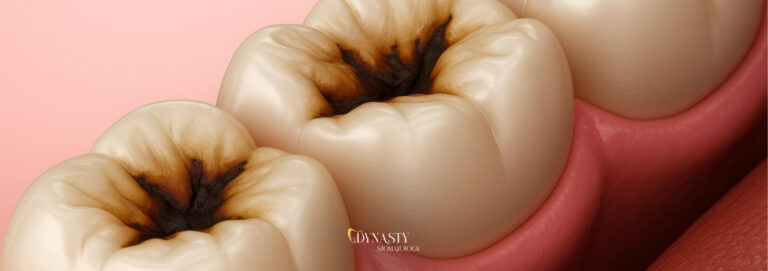
Delaying a dental filling might seem harmless, especially if the pain is minimal or occasional — but untreated cavities can quickly turn into serious problems. What starts as minor tooth decay can lead to infections, nerve damage, or even tooth loss. In this article, we’ll explain why addressing cavities promptly is essential, and how early treatment can protect your overall dental health.
What is a dental filling?
A dental filling is a common dental treatment used to restore a decayed tooth by filling the hole left by a cavity. The dentist will drill out the damaged part of the tooth and replace it with a special material such as composite, amalgam, or gold fillings, depending on the type of filling needed.
Fillings help prevent further decay and protect the tooth’s structure, playing a crucial role in maintaining good oral health. Dentists use fillings as an effective solution to stop the spread of a dental issue before it leads to more serious procedures like a root canal or dental crown.
What are cavities?
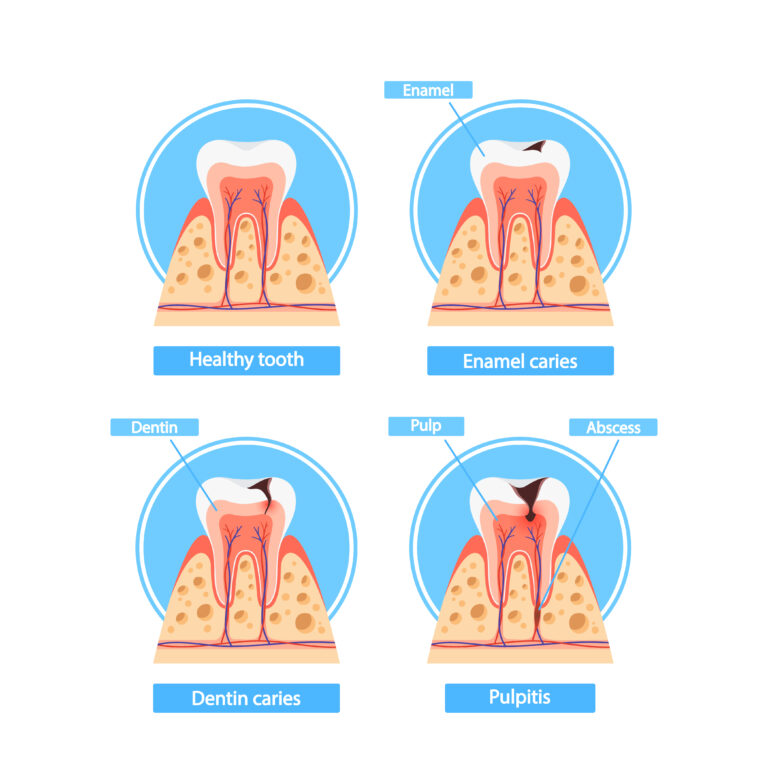
Cavities, also known as dental caries, are small holes or areas of decay in the hard surface of your teeth. They form when plaque — a sticky film of bacteria — breaks down sugars from food and produces acid that erodes tooth enamel. Early signs of cavities can include tooth sensitivity, mild pain when eating sweets or hot/cold foods, or visible pits on the tooth surface. If left untreated, cavities can progress and lead to serious dental problems, including infection, tooth pain, or even missing teeth.
Going to the dentist as soon as you notice symptoms is crucial. Delaying a dental visit can lead to the need for more invasive dental work, such as a root canal or dental implant. That’s why you shouldn’t put off getting your cavity filled — early dental care helps preserve your natural teeth and avoid costly procedures. Regular check-ups at a dental clinic support good dental hygiene and allow your dentist to help catch cavities before they get worse.
What causes cavities?
Cavities don’t happen overnight—they develop gradually when certain harmful habits or conditions are left unchecked. One of the most common reasons why you shouldn’t delay visiting your dentist is to catch early signs of decay before it becomes a serious dental problem that may require more invasive dental restoration.
Here are some of the leading causes of cavities:
- Taking in lots of sugar. Sugar feeds harmful bacteria in your mouth, producing acids that attack your enamel. Without regular dental cleanings and checkups, this erosion continues unnoticed.
- Foods that have high acidity. Acidic drinks and snacks — like soda, citrus, or vinegar-based foods — can soften enamel and increase the risk of decay, especially when paired with poor dental hygiene.
- You don’t brush or floss enough. Skipping brushing or not flossing daily allows plaque to build up between teeth. This hidden plaque is often where a cavity with a filling eventually forms, requiring you to get a filling to stop further damage.
How are cavities treated?
Cavity treatment typically involves placing a tooth filling, a straightforward yet effective dental solution aimed at restoring tooth structure and preventing further decay. First, a dental professional carefully removes the decayed portion of the tooth during your dental appointment. Then, the cleaned cavity is filled using one of the different types of dental materials — such as composite fillings, amalgam fillings, tooth-colored fillings, or even metal fillings — depending on the case and the patient’s preferences. The dentist can help you choose the most appropriate material based on the location and size of the cavity.
This method is best suited for mild to moderate tooth decay that hasn’t progressed to the pulp. If left untreated too long, a filling won’t be enough, and you may need a root canal or even a dental bridge. For patients with an old filling or one that has loosened or cracked, getting tooth fillings redone might be necessary.
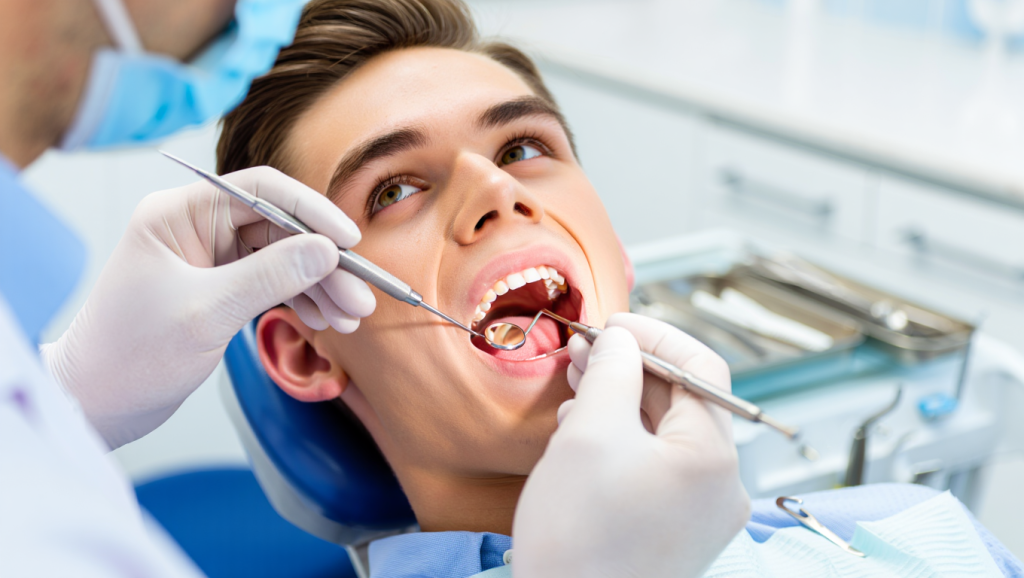
Whether it’s your first trip to the dentist or a follow-up to assess past work, seeing your dentist regularly helps detect when you need a filling or need to address complications early. A skilled and compassionate dentist can ease any fear of dental treatment and ensure you get the care you need with minimal discomfort.
Why should you get your cavities filled?
Even small cavities should not be ignored. Below, we explain why it’s important to treat tooth decay in a timely manner.
Little Cavities Lead to Big Problems If Not Treated With a Dental Filling
What may seem like a small issue can turn into a serious condition requiring indirect fillings or even cement restorations. According to the dental association, untreated decay increases the need for a dental procedure later, which many patients could avoid.
Fillings Will Save Your Money In the Long Run
Choosing fillings and teeth care early helps you avoid costly treatments. One of the best dental decisions you can make is to get treatment before the damage worsens — especially if you want to avoid unnecessary expenses near the future.
Treat Your Cavity with a Tooth Filling Now to Prevent Pain Later
Even if you have anxiety about visiting the dentist, early treatment helps manage symptoms and discomfort. Cavities need treatment before they cause severe pain or sensitivity. Your dentist for regular check-ups can determine whether you need a simple filler or a more complex solution.
Dental Filling – Conclusion
Getting a cavity filled early will help protect your smile, your health, and your budget. Don’t wait until a simple cavity turns into a serious problem. If you need a dental filling or just want to make sure your oral health is on track, see your dentist right away.
FAQ:
-
How can I tell if I need a dental filling before I feel pain?
Not all cavities cause immediate discomfort. Your regular dentist may detect early signs of decay during a routine check-up, which highlights the importance of regular dental visits. Small spots of decay can often be seen on X-rays before symptoms appear.
-
Are there different types of dental fillings, and how do I choose the right one?
Yes, there are several materials used, including composite resin, amalgam, gold, and ceramic. The dentist may recommend the best option based on the cavity’s size, location, and your preferences regarding aesthetics and durability.
-
How long do dental fillings typically last?
The lifespan depends on the material and how well you care for your teeth. Most fillings last between 5 to 15 years. Seeing a dentist every six months helps ensure your fillings remain intact.
-
Is it possible to be allergic to dental filling materials?
Though rare, some people may have allergic reactions to certain metals used in older filling types. If you have known sensitivities, let your dentist know — many modern materials are hypoallergenic.
-
Can children get dental fillings too?
Absolutely. If your child develops a cavity, a dental filling is necessary to prevent further decay. Some clinics use special filling kits designed for children to make the process more comfortable and fun.
-
What happens if a dental filling falls out or breaks?
If this happens, contact your dentist immediately. A broken or missing filling exposes the tooth to bacteria, increasing the risk of decay or infection. There may be pain after getting dental damage if it’s not treated quickly.
-
How do I care for my tooth after getting a filling?
Avoid sticky or hard stuff for at least 24 hours and maintain good oral hygiene. Your dentist may recommend gentle brushing and avoiding extremely hot or cold foods right after the procedure.
-
Can a filling change the way my bite feels?
Yes, it can — but this is usually temporary. If your bite feels off after a few days, your dentist can make a quick adjustment to ensure comfort and function.
-
Are there any risks or side effects associated with getting a filling?
Most fillings are safe, but some people may experience sensitivity or mild pain after getting dental work. These symptoms usually subside within a few days. If they persist, consult your dentist.
-
Can dental fillings be used for cosmetic improvements, not just cavities?
Yes, composite resin fillings can improve the appearance of chipped, worn, or discolored teeth. Your dentist may recommend this option for minor cosmetic enhancements.


Do you want to treat your teeth while you sleep?
Schedule an appointment!
By clicking the button, you give your agreet your personal data in accordance with privacy policy.
Services related to this topic
All services-
Treatment of dental hypersensitivity in Prague
Toothache when eating something cold, sweet or sour is a common cause of discomfort in patients of all ages. If you are concerned about increased t...
To the service -
Endodontic retreatment in Prague
Re-treatment of root canals is required in cases where the initial treatment has proven ineffective and the tooth continues to cause discomfort, in...
To the service -
Modern diagnostics and treatment of TMJ dysfunction
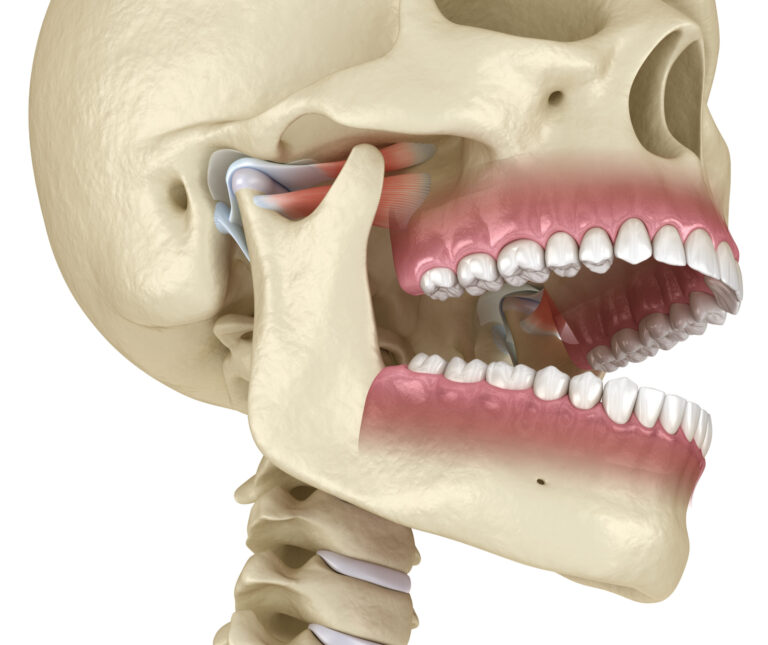
Temporomandibular joint dysfunction is a common problem that can significantly impair quality of life due to pain, limited movement, and bite probl...
To the service -
Oral sanitation before medical procedures
Before important medical interventions – surgery, childbirth or the start of chemotherapy – it is especially important to clean up the ...
To the service -
Aesthetic restoration of teeth
How many times a day do you smile? No matter the number, we can assure you that after an aesthetic restoration at Dynasty Stomatology in Prague (Cz...
To the service -
Dental treatment under a microscope
Root canal treatments have been radically transformed with the advent of the dental microscope in endodontics. It enables the specialist to view in...
To the service -
Root canal treatment
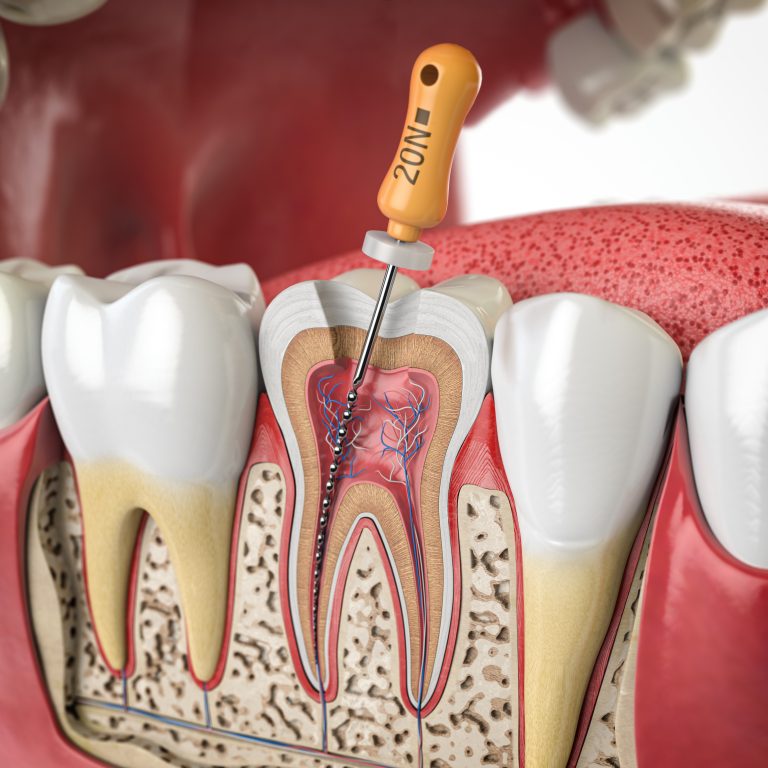
Root canal treatment is required when the tooth pulp becomes inflamed or infected because of decay, injury or repeated dental treatment procedures....
To the service -
Pulpitis treatment
Did you neglect treating tooth decay? Or fail to visit a dentist in time after a dental injury? Then the infection may have penetrated the inner ti...
To the service -
Treatment of halitosis (bad breath)
Do you feel discomfort due to unpleasant breath? Have you lost self-confidence? Looking for a way to treat bad breath effectively? At Dynasty Stoma...
To the service -
Treatment of initial caries using the ICON method
Initial caries is a damage to the enamel that has not yet affected the deeper layers of the tooth. It often appears as a white spot on the enamel a...
To the service -
Treatment of a broken tooth
A broken tooth is always an unpleasant surprise that happens at the most inopportune time. But don’t be in a hurry to despair! The highly tra...
To the service






Read also
View all blog-
07.07.2026
117
13 min. read
Cavity – causes, symptoms and treatments
Most people think of tooth decay as simply a small hole in the tooth that will eventually need to be filled. In fact, it begins much earlier. Month...
Read more -
03.07.2026
134
8 min. read
Dental Pulpitis Treatment — Saving a Tooth From Pain and Loss
Have you ever experienced a sudden, sharp toothache? It might seem like a reaction to something cold or the aftereffects of eating something sweet....
Read more -
02.07.2026
159
12 min. read
How to Fix Tooth Sensitivity – The Complete Guide to Fast Relief and Permanent Solutions
Have you ever felt a sharp pain when taking a sip of hot coffee or eating your favorite ice cream? One day, everything was fine, but the next, your...
Read more -
30.06.2026
162
10 min. read
Endodontic Retreatment – Why Root Canal Treatment Sometimes Needs to Be Repeate
Most people believe that root canal treatment solves the problem forever. In most cases, this is precisely what happens. However, sometimes, after ...
Read more -
08.06.2026
175
9 min. read
What is Oral Thrush – Symptoms, Treatment and Prevention
Have you noticed a white coating on your tongue that doesn’t go away even after brushing your teeth? Or a strange burning sensation in your m...
Read more -
05.06.2026
173
8 min. read
Dental Care For Pregnant Women – What you need to know
Pregnancy affects nearly every part of the body — including teeth and gums. Many women notice bleeding gums, increased sensitivity, or sudden tooth...
Read more -
03.06.2026
267
11 min. read
What to Do After a Wisdom Tooth Extraction – a Guide to Healing and Care
Going to the dentist to have a wisdom tooth removed often brings fear and many questions, both before and after. For example, is it normal for my c...
Read more