

Dental Care For Pregnant Women – What you need to know


05.06.2026
172
8 min. read
Why Patients Trust Dynasty Stomatology
The trust in Dynasty Stomatology is built on a combination of many years of experience and an individual approach to every patient. We understand that a visit to the dentist is often accompanied by anxiety, so we place special emphasis on creating a comfortable and calm atmosphere where every patient feels safe.
The clinic is equipped with modern technology and uses advanced treatment methods, ensuring that procedures are carried out with maximum precision, efficiency, and comfort. All materials undergo strict quality control, and our doctors regularly improve their qualifications to offer only the most up-to-date and proven techniques.
In addition, Dynasty Stomatology values long-term relationships with patients. Our goal is not only to solve the problem at hand but also to maintain the health of teeth and gums for years to come. Openness, honesty, and transparency are the key principles that have earned the clinic its reputation as a reliable dental partner.
Facts about Dynasty Stomatology:
✅ Over 10 years of successful work in dentistry.
✅ Hundreds of positive reviews from patients in Poland and abroad.
✅ We use premium materials from leading global brands.
✅ We offer treatment under sedation and general anesthesia.
✅ A full range of services — from pediatric dentistry to complex surgical operations.
Dynasty Stomatology — trust, expertise, reliability, and care for the beauty of your smile.
Learn about usMedical Expertise
Dynasty Stomatology’s doctors conduct medical reviews of all materials on the website to ensure their accuracy and practical value. Our authors and editors are experienced specialists in the fields of therapeutic, surgical, orthopedic, and pediatric dentistry. This approach allows us to maintain high professional standards and provide our readers with only verified, up-to-date, and useful information.
Pregnancy affects nearly every part of the body — including teeth and gums. Many women notice bleeding gums, increased sensitivity, or sudden tooth pain for the first time during pregnancy. At the same time, fear of harming the baby often makes expectant mothers postpone dental treatment, even when they are in pain.
Some believe that any dental procedure is dangerous for the baby. Others endure the pain until delivery, putting off dental visits for several months. In fact, most of these fears have long since become irrelevant to modern dentistry.
During pregnancy, the body becomes more vulnerable to inflammation, cavities, and gum problems. Even simple morning sickness can gradually erode tooth enamel. An untreated oral infection can sometimes be more dangerous than timely dental treatment.
Modern dentistry allows for safe diagnosis, dental treatment, and gum health maintenance at virtually any stage of pregnancy. The key is understanding which procedures are truly safe, when it’s best to schedule treatment, and how to care for your oral health during this period properly.
In this article, we’ll explore how pregnancy affects teeth and gums, which procedures can be performed without fear, and why oral health is important not only for the expectant mother but also for the baby.
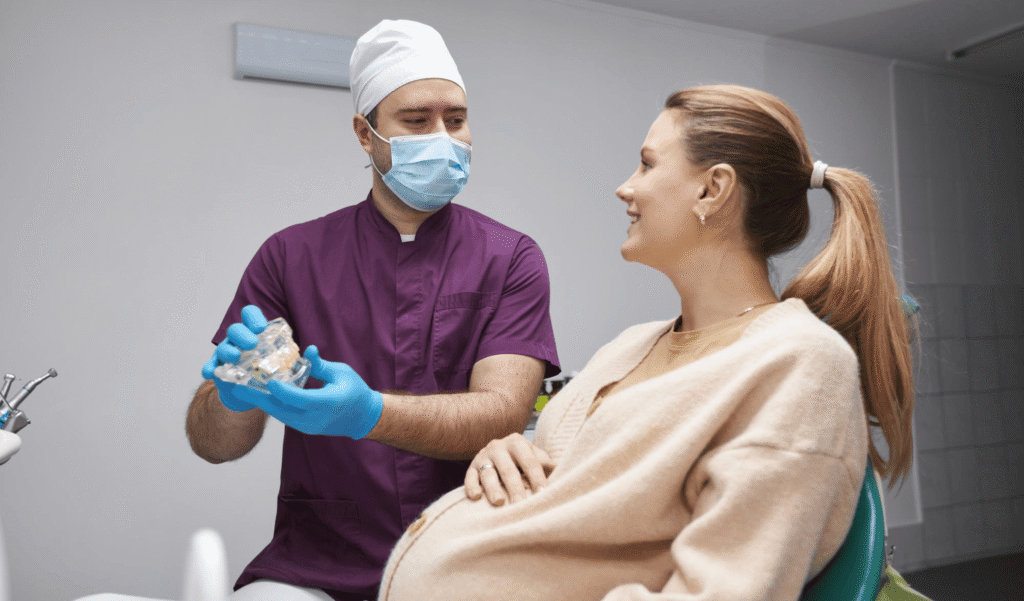
7 Things to Know about Dental Care During Your Pregnancy
Oral health is no exception. Hormonal fluctuations, changes in eating habits, and increased gum sensitivity can affect dental health even in women who haven’t previously experienced dental problems. This is why proper dental care during pregnancy is an important part of caring for not only the mother but also the unborn child. Below, we’ll explore the 7 most important things to know about dental and gum health during pregnancy.
Pregnancy Increases the Risk of Cavities
Pregnancy can indeed increase the risk of developing tooth decay. Hormonal changes affect oral bacteria levels and enamel health. Furthermore, pregnancy increases the likelihood of dental caries due to frequent snacking, cravings for sweets, and morning sickness. Vomiting during morning sickness increases oral acidity, which weakens tooth enamel. Therefore, maintaining good oral hygiene and routine dental care is especially important during pregnancy.
Changed Eating Habits Can Affect Oral Health
Dietary changes directly impact oral health during pregnancy. Sweet and acidic foods, as well as frequent meals, create a favorable environment for bacteria to thrive. Furthermore, pregnancy causes changes in the composition of saliva, which weakens the teeth’s natural defenses. Proper oral hygiene habits and high-quality oral hygiene for pregnant women help reduce the risk of inflammation and enamel decay.
Poor Oral Care Can Affect a Baby’s Future Oral Health
Poor dental and gum health in the mother can impact the health of the baby after birth. Bacteria that cause cavities and inflammation can be transmitted to the baby. Therefore, regular dental visits and proper pregnancy dental care are also important for the health of the unborn child.
Poor Oral Health May Increase Pregnancy Complications
Some studies link gum inflammation to pregnancy complications. Serious infections may be associated with periodontal disease and adverse pregnancy complications, including preterm birth. Experts warn that delaying treatment may worsen the condition and increase pregnancy risk, so inflammation and pain should not be ignored.
The Second Trimester Is Usually the Best Time for Dental Treatment
You can visit the dentist at any stage of pregnancy, but the second trimester is generally considered the safest and most comfortable time for most dental procedures. The first trimester is usually limited to examinations and urgent treatment, while in the third trimester, a woman may find it uncomfortable to spend long periods in the dentist’s chair. Safe dental treatment during pregnancy is most often performed during the second trimester.
Many Dental Procedures Are Safe During Pregnancy
During pregnancy, you can undergo professional cleanings, cavity treatment, and even root canal treatment if you experience severe pain or infection. If necessary, your dentist will administer local anesthesia during pregnancy. Lidocaine is most commonly used, and is considered safe when used in the correct dosage. It’s important to inform your doctor that you’re pregnant before treatment.
Dental X-Rays Are Usually Safe With Proper Protection
Modern dental X-rays use a minimal dose of radiation and are considered safe when safety precautions are followed. If necessary, a dentist may order an X-ray to diagnose an infection or severe pain.
Is Having Dental Work While Pregnant Safe?
In many cases, dental work while pregnant is considered safe. Modern dental procedures are adapted for pregnant women, and dentists select treatment based on the gestational age and the patient’s overall health.
Toothache during pregnancy often occurs due to increased gum sensitivity, tooth decay, or inflammation. Sometimes, gum changes during pregnancy, and the development of pregnancy gingivitis is the cause. If severe pain, swelling, or discomfort when chewing occurs, it is important to visit a dentist as soon as possible. Ignoring the problem can lead to infection and more serious complications.
Dentists carefully select medications for pregnant patients to ensure both safety and comfort. Some medications and local anesthesia are considered safe during pregnancy when used correctly. Lidocaine, which is widely used in dentistry, is the most commonly used.
Suggestions for Addressing Your Pregnancy and Dental Work Needs
Most dental procedures are considered safe when performed correctly and within the timeframe of pregnancy. Below are basic recommendations to help maintain good health and dental health during pregnancy.
Have Preventive Exams and Cleanings During Your Pregnancy
A timely dental examination helps identify problems early and avoid complications. Professional cleanings and regular checkups help reduce inflammation and keep gums healthier throughout pregnancy.
Let Your Dentist Know You Are Pregnant
Before any treatment, be sure to inform your dentist about your pregnancy and how far along you are. Knowing your pregnancy status helps your dentist choose safe medications, appropriate dental services, and the right timing for treatment. This is especially important if anesthesia, X-rays, or other medical and dental procedures are required.
Postpone Non-Emergency Dental Work Until the Second Trimester or After Delivery, if Possible
If treatment isn’t urgent, it’s often recommended to postpone it until the second trimester or after childbirth. The second trimester is considered the most comfortable and safe time during pregnancy for most procedures. However, if you experience pain or infection, don’t delay treatment, as delaying treatment can lead to complications and worsening oral health.
Elective Procedures Should Be Postponed Until After Delivery
Cosmetic procedures and non-essential treatments are usually postponed until after the baby is born. Teeth whitening and other cosmetic procedures are not considered essential during pregnancy, so it’s safer to postpone them until after the baby is born.
Maintain Healthy Circulation by Keeping Your Legs Uncrossed While You Sit in the Dentist’s Chair
During a dental appointment, it’s important to maintain normal blood circulation, especially during late pregnancy. It’s recommended to sit comfortably, without crossing your legs, to avoid unnecessary pressure and discomfort. This helps the expectant mother feel more comfortable during treatment.
Take a Pillow to Help Keep You and the Baby More Comfortable
A small pillow for your back or neck can make your dental appointment much more comfortable. During pregnancy, it’s harder for your body to stay in one position for long periods of time, so extra support can help reduce tension and improve well-being during dental care while pregnant.
Final Thoughts
Pregnancy is a time when it’s especially important to take care of your health, including the condition of your teeth and gums. Regular checkups, proper hygiene, and timely treatment help reduce the risk of inflammation, discomfort, and other dental problems. Most procedures are now considered safe when performed correctly and under professional supervision, so don’t delay a visit to the dentist out of fear or doubt.
Dynasty Stomatology pays special attention to comfort, safety, and an individual approach to each patient. The clinic team uses modern treatment methods and creates the calmest and most comfortable atmosphere for expectant mothers.

FAQ
-
Are there any procedures to be avoided during pregnancy?
During pregnancy, it's usually recommended to postpone cosmetic procedures such as teeth whitening or non-essential surgeries. Most are safe, but dentists always consider the gestational age and the patient's overall health. It's important not to delay treatment for pain or infection, as delaying treatment can lead to complications.
-
Should I go to the dentist while I am pregnant?
Yes, regular dental visits are very important for pregnant women during pregnancy. Hormonal changes can affect gum health and increase the risk of inflammation, so quality oral care during pregnancy helps maintain the health of both mother and baby.
-
Can pregnancy cause tooth loss?
Pregnancy itself doesn't cause tooth loss, but the changes in your body can worsen the condition of your gums and teeth if not properly cared for. Inflammation, infections, and other oral health problems during pregnancy can indeed impact your oral health. Therefore, it's important to maintain good dental care and have regular dental checkups.
-
Why are my gums bleeding during pregnancy?
Bleeding gums are one of the most common problems during pregnancy. Hormonal changes increase sensitivity and inflammation of the gums during pregnancy, which can lead to the development of gingivitis. Prompt treatment of pregnancy gingivitis and maintaining good hygiene can help reduce inflammation and discomfort.
-
When should I go to the dentist while I am pregnant?
You can visit your dentist throughout pregnancy, but the second trimester is generally considered the most comfortable time for treatment. If you're experiencing pain, sensitivity, or other common dental issues, don't wait. Many procedures and services can be safely performed during pregnancy under the supervision of a specialist.
-
Do teeth decay faster during pregnancy?
During pregnancy, the risk of dental caries does increase. This is due to dietary changes, morning sickness, and changes in saliva composition, which all impact oral health. Therefore, dentists recommend paying special attention to oral health during pregnancy and following daily pregnancy oral health tips.
-
Are dental X-rays safe during pregnancy?
Modern X-rays use minimal radiation and are considered safe when protective measures are followed. Dental X-rays during pregnancy have been extensively studied and are considered safe with proper protection, so if necessary, a doctor may prescribe an X-ray for a precise diagnosis. This is especially important in cases of severe pain or suspected infection.
-
"I used antibiotics when I was pregnant" Will this affect my baby's teeth?
Not all antibiotics are dangerous during pregnancy. Some antibiotics are considered safe for pregnant women when prescribed by a doctor. If the medications were prescribed by a doctor based on your gestational age, there's usually no reason to panic. However, it's always important to inform your dentist and doctor about any medications you're taking during pregnancy and lactation.
Comfortable and Safe Dental Care During Pregnancy
Regular pregnant women dentist visit, professional dental cleaning, and proper oral health care during pregnancy help prevent inflammation, discomfort, and other common dental problems throughout the entire course of pregnancy.
At Dynasty Stomatology, special attention is given to the comfort and safety of every patient. The clinic provides modern approaches to safe dental treatment during pregnancy, taking into account every aspect of health and pregnancy to ensure gentle and professional care for both mother and baby. The team focuses not only on healthy teeth and gums, but also on creating a calm and supportive experience for every patient.


Do you want to treat your teeth while you sleep?
Schedule an appointment!
By clicking the button, you give your agreet your personal data in accordance with privacy policy.
Services related to this topic
All services-
Treatment of dental hypersensitivity in Prague
Toothache when eating something cold, sweet or sour is a common cause of discomfort in patients of all ages. If you are concerned about increased t...
To the service -
Endodontic retreatment in Prague
Re-treatment of root canals is required in cases where the initial treatment has proven ineffective and the tooth continues to cause discomfort, in...
To the service -
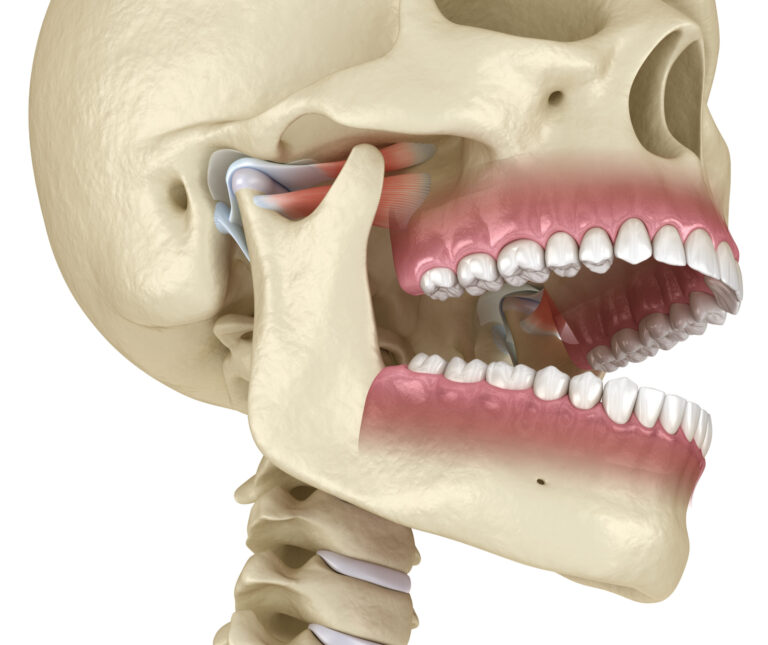
Modern diagnostics and treatment of TMJ dysfunction
Temporomandibular joint dysfunction is a common problem that can significantly impair quality of life due to pain, limited movement, and bite probl...
To the service -
Oral sanitation before medical procedures
Before important medical interventions – surgery, childbirth or the start of chemotherapy – it is especially important to clean up the ...
To the service -
Aesthetic restoration of teeth
How many times a day do you smile? No matter the number, we can assure you that after an aesthetic restoration at Dynasty Stomatology in Prague (Cz...
To the service -
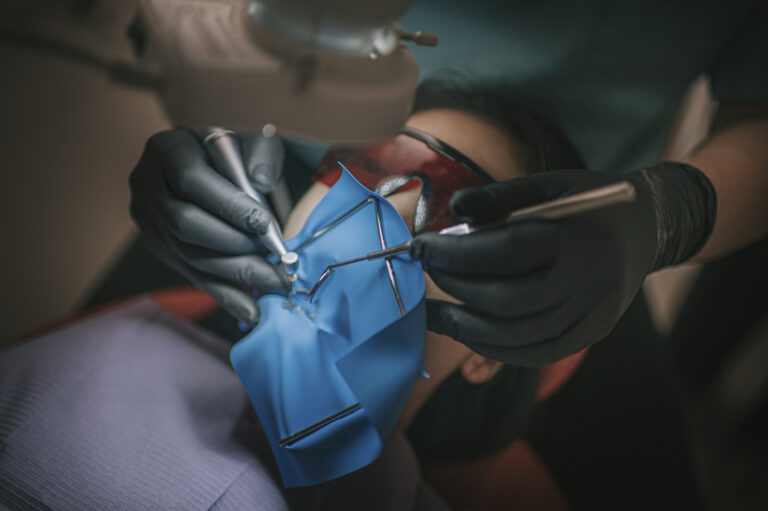
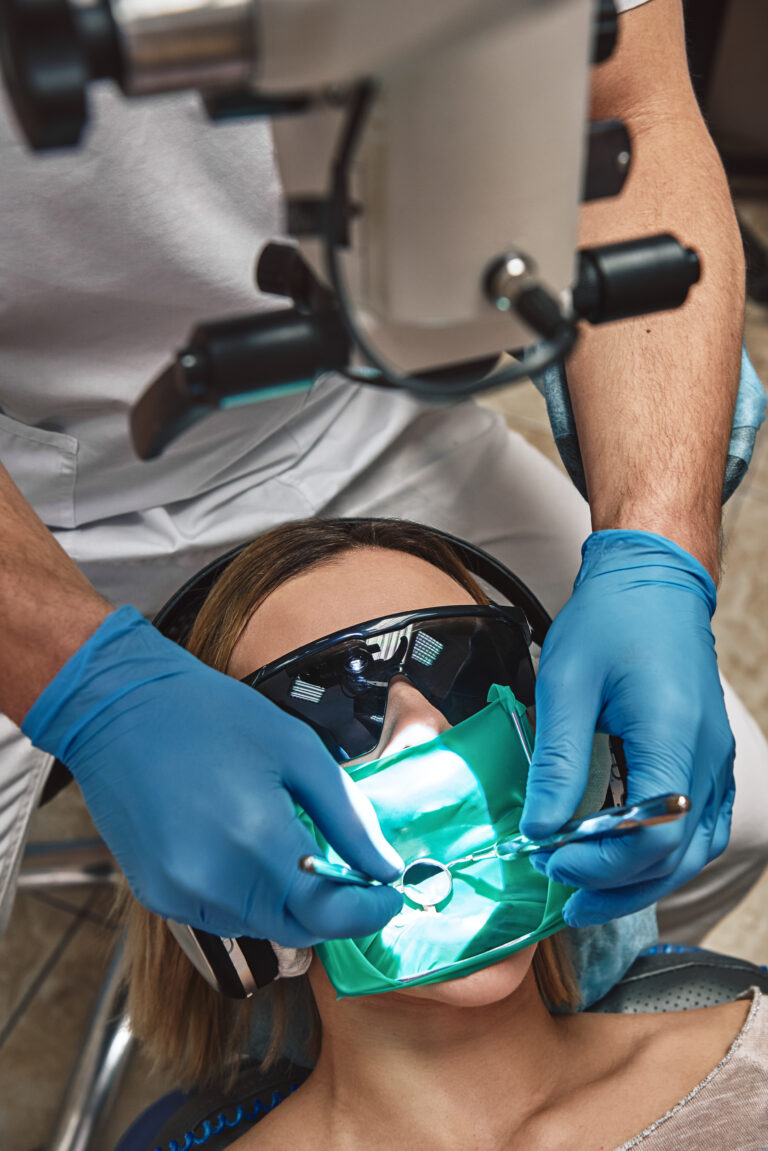
Dental treatment under a microscope
Root canal treatments have been radically transformed with the advent of the dental microscope in endodontics. It enables the specialist to view in...
To the service -
Root canal treatment
Root canal treatment is required when the tooth pulp becomes inflamed or infected because of decay, injury or repeated dental treatment procedures....
To the service -
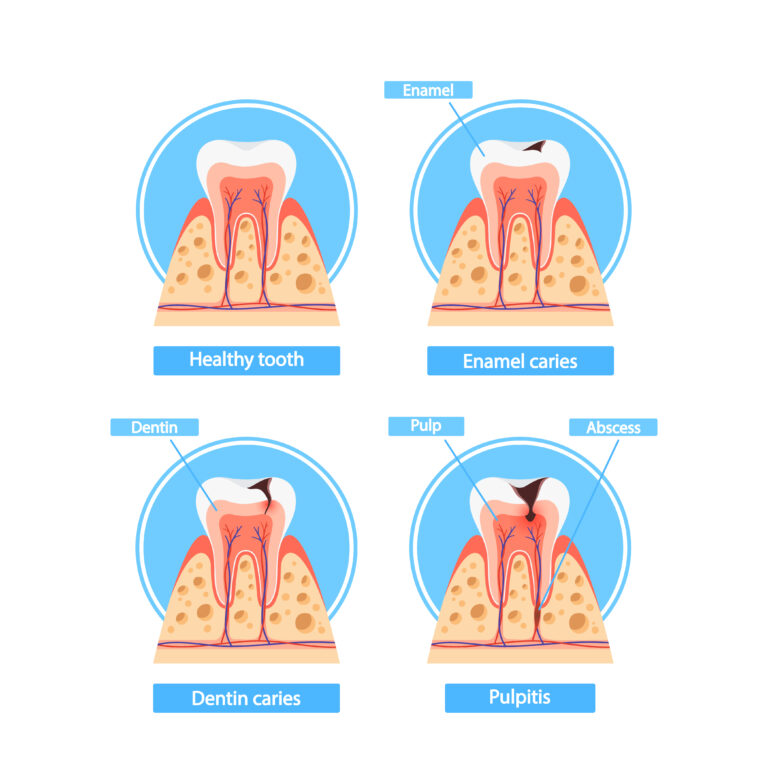
Pulpitis treatment
Did you neglect treating tooth decay? Or fail to visit a dentist in time after a dental injury? Then the infection may have penetrated the inner ti...
To the service -
Treatment of halitosis (bad breath)
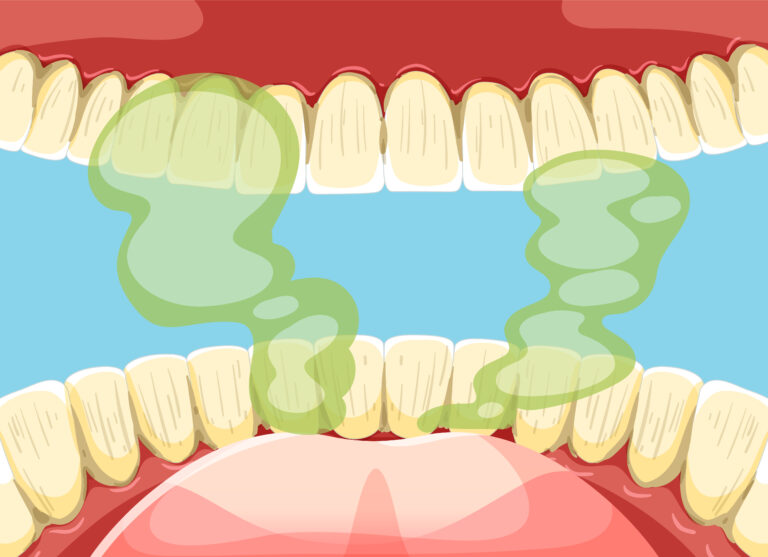
Do you feel discomfort due to unpleasant breath? Have you lost self-confidence? Looking for a way to treat bad breath effectively? At Dynasty Stoma...
To the service -
Treatment of initial caries using the ICON method
Initial caries is a damage to the enamel that has not yet affected the deeper layers of the tooth. It often appears as a white spot on the enamel a...
To the service -
Treatment of a broken tooth
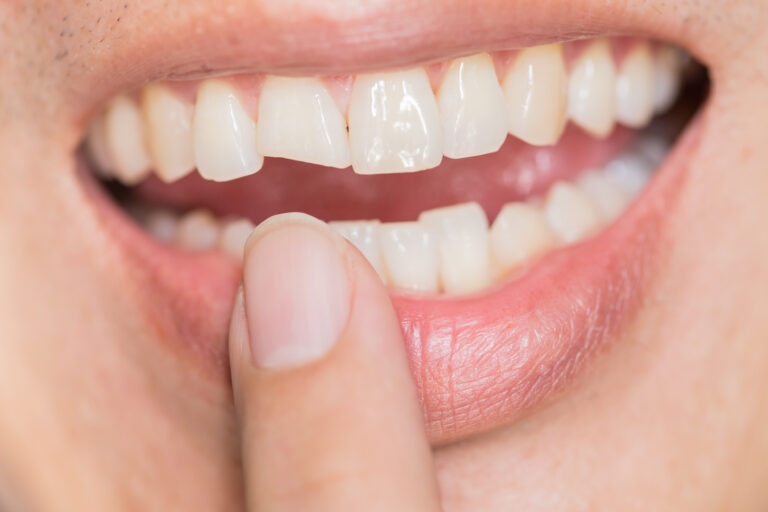
A broken tooth is always an unpleasant surprise that happens at the most inopportune time. But don’t be in a hurry to despair! The highly tra...
To the service




Read also
View all blog-
07.07.2026
117
13 min. read
Cavity – causes, symptoms and treatments
Most people think of tooth decay as simply a small hole in the tooth that will eventually need to be filled. In fact, it begins much earlier. Month...
Read more -
03.07.2026
134
8 min. read
Dental Pulpitis Treatment — Saving a Tooth From Pain and Loss
Have you ever experienced a sudden, sharp toothache? It might seem like a reaction to something cold or the aftereffects of eating something sweet....
Read more -
02.07.2026
159
12 min. read
How to Fix Tooth Sensitivity – The Complete Guide to Fast Relief and Permanent Solutions
Have you ever felt a sharp pain when taking a sip of hot coffee or eating your favorite ice cream? One day, everything was fine, but the next, your...
Read more -
30.06.2026
162
10 min. read
Endodontic Retreatment – Why Root Canal Treatment Sometimes Needs to Be Repeate
Most people believe that root canal treatment solves the problem forever. In most cases, this is precisely what happens. However, sometimes, after ...
Read more -
08.06.2026
175
9 min. read
What is Oral Thrush – Symptoms, Treatment and Prevention
Have you noticed a white coating on your tongue that doesn’t go away even after brushing your teeth? Or a strange burning sensation in your m...
Read more -
05.06.2026
172
8 min. read
Dental Care For Pregnant Women – What you need to know
Pregnancy affects nearly every part of the body — including teeth and gums. Many women notice bleeding gums, increased sensitivity, or sudden tooth...
Read more -
03.06.2026
267
11 min. read
What to Do After a Wisdom Tooth Extraction – a Guide to Healing and Care
Going to the dentist to have a wisdom tooth removed often brings fear and many questions, both before and after. For example, is it normal for my c...
Read more