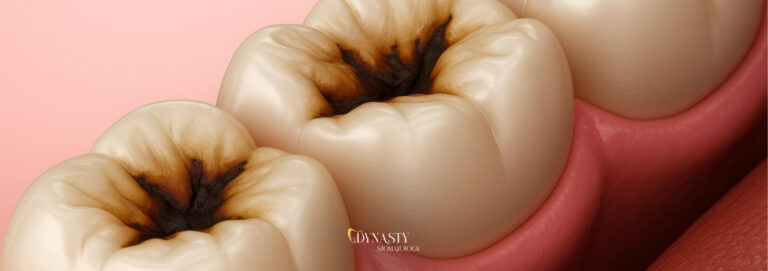

Dental Pulpitis Treatment — Saving a Tooth From Pain and Loss


03.07.2026
31
8 min. read
Why Patients Trust Dynasty Stomatology
The trust in Dynasty Stomatology is built on a combination of many years of experience and an individual approach to every patient. We understand that a visit to the dentist is often accompanied by anxiety, so we place special emphasis on creating a comfortable and calm atmosphere where every patient feels safe.
The clinic is equipped with modern technology and uses advanced treatment methods, ensuring that procedures are carried out with maximum precision, efficiency, and comfort. All materials undergo strict quality control, and our doctors regularly improve their qualifications to offer only the most up-to-date and proven techniques.
In addition, Dynasty Stomatology values long-term relationships with patients. Our goal is not only to solve the problem at hand but also to maintain the health of teeth and gums for years to come. Openness, honesty, and transparency are the key principles that have earned the clinic its reputation as a reliable dental partner.
Facts about Dynasty Stomatology:
✅ Over 10 years of successful work in dentistry.
✅ Hundreds of positive reviews from patients in Poland and abroad.
✅ We use premium materials from leading global brands.
✅ We offer treatment under sedation and general anesthesia.
✅ A full range of services — from pediatric dentistry to complex surgical operations.
Dynasty Stomatology — trust, expertise, reliability, and care for the beauty of your smile.
Learn about usMedical Expertise
Dynasty Stomatology’s doctors conduct medical reviews of all materials on the website to ensure their accuracy and practical value. Our authors and editors are experienced specialists in the fields of therapeutic, surgical, orthopedic, and pediatric dentistry. This approach allows us to maintain high professional standards and provide our readers with only verified, up-to-date, and useful information.
Have you ever experienced a sudden, sharp toothache? It might seem like a reaction to something cold or the aftereffects of eating something sweet. But after a few hours, the discomfort intensifies. The pain becomes throbbing, interfering with eating, working, and even sleeping.
A severe toothache is often caused by inflammation of the inner tissue of the tooth—the pulp. It contains the nerves and blood vessels that ensure the vitality of the tooth. When infection reaches this area, pain occurs as a warning signal.
The good news is that modern dentistry can save teeth even in complex cases. The key is to recognize the symptoms early and seek help. In this article, we’ll discuss what pulpitis is, why it occurs, what signs you shouldn’t ignore, and what treatments can help prevent tooth loss.
What Is Pulpitis?
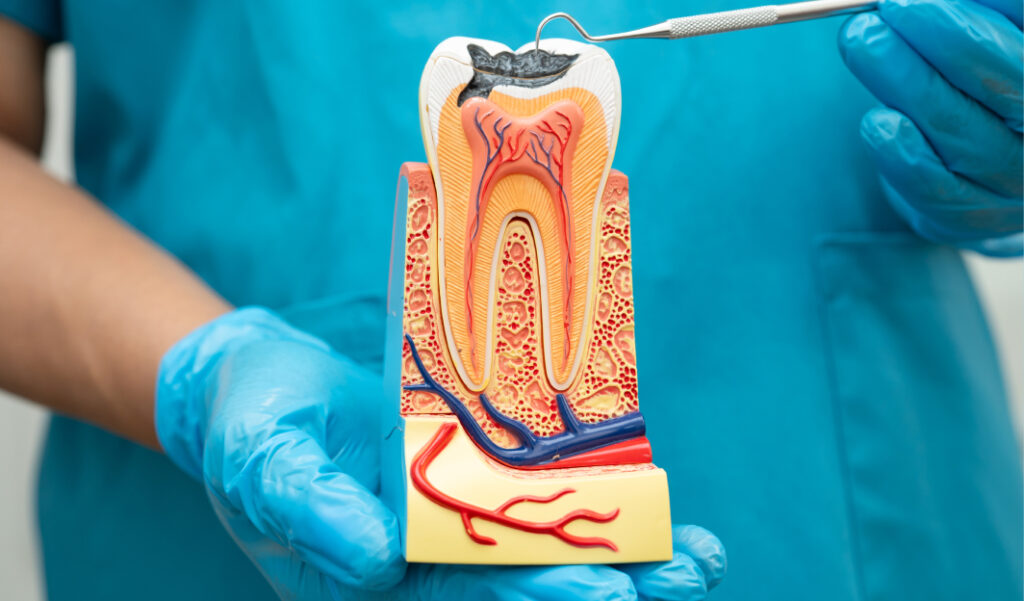
Pulpitis is a common dental condition that develops when the soft tissue inside a tooth becomes irritated or infected. Simply put, pulpitis means the pulp has become damaged due to bacteria, trauma, or other factors. The pulp is located inside your tooth and contains nerves and blood vessels, connective fibers, and specialized cells that help maintain tooth vitality.
The dental pulp sits in the pulp chamber and extends through the roots of the tooth. This tissue is protected by enamel and dentin, but when damage occurs, bacteria may penetrate deeper layers. Once the pulp becomes inflamed, patients often experience discomfort that can range from mild sensitivity to severe pain.
Understanding the Types of Pulpitis
There are two primary types of pulpitis. Understanding reversible vs irreversible pulpitis is essential because delayed care may result in more complex procedures.
Reversible Pulpitis
Reversible pulpitis is the early stage of inflammation. At this point, the pulp is irritated but still capable of healing. The problem is usually caused by a small cavity, minor trauma, or early decay. Symptoms commonly include:
- Brief sensitivity to cold.
- Sensitivity to sweet foods.
- No pain when the dentist taps the tooth.
- Discomfort that disappears quickly after the stimulus is removed.
Irreversible Pulpitis
Irreversible pulpitis occurs when the damage becomes too extensive for the pulp to recover. In this stage, the tissue continues to deteriorate and may eventually progress to pulp necrosis. Patients may experience:
- Pain when pressure is applied.
- Lingering sensitivity to temperature changes.
- Persistent pain that does not disappear.
- Episodes of intense pain that may disrupt sleep.
Symptoms of Pulpitis
The most common symptoms of pulpitis vary depending on the severity of the condition. Typical warning signs include:
- Sensitivity to cold foods and drinks.
- Sensitivity to sweets.
- Pain while chewing.
- Discomfort when biting.
- Swelling around the gums.
- Throbbing tooth pain.
As the disease progresses, inflammation can affect the surrounding tissues around the tooth, making treatment more urgent.
What Causes Pulpitis?
In most cases, tooth nerve inflammation develops when bacteria penetrate the inner structures of the tooth and reach the pulp. However, deep decay, dental trauma, enamel wear, and even previous dental procedures can also contribute to the inflammatory process.
Tooth Decay
The most common cause is tooth decay. Bacteria gradually destroy the protective enamel layer and create openings that allow microorganisms to move deeper into the tooth. If the infection continues, bacteria may reach the pulp and cause serious damage.
Cracks and Fractures
Small cracks may develop after biting hard foods or experiencing dental trauma. These defects can cause tooth fractures and create pathways allowing bacteria to enter vulnerable structures.
Dental Procedures
Sometimes, multiple dental treatments performed on the same tooth can increase pulp sensitivity. Poorly sealed restorations or worn dental fillings may create gaps that allow bacteria to penetrate.
Enamel Wear
Aggressive brushing habits, acid erosion, and teeth grinding can wear away protective layers. When the dentin becomes exposed, the pulp is more vulnerable to irritation.
What Is The Treatment for Pulpitis?
The goal of dental pulpitis treatment is to eliminate infection, preserve function, and save the tooth whenever possible.
The exact treatment for pulpitis depends on the extent of damage. Early cases may only require a restoration, while advanced infections often require endodontic care.
Modern dentistry offers several endodontic therapy options designed to preserve teeth and prevent extraction.
Steps of Treating Dental Pulpitis
Treatment begins with a thorough examination. The dentist evaluates the patient’s symptoms, reviews diagnostic images, and determines whether root canal treatment is necessary. For patients experiencing severe discomfort, emergency tooth pain relief measures may be provided before definitive care begins.
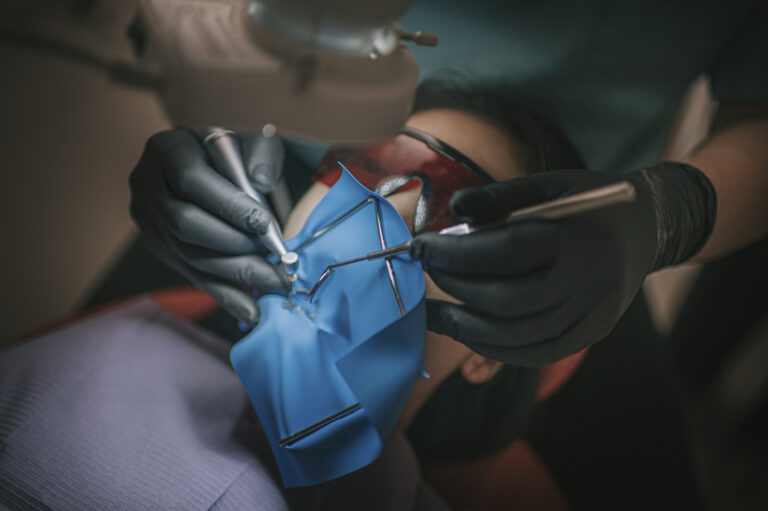
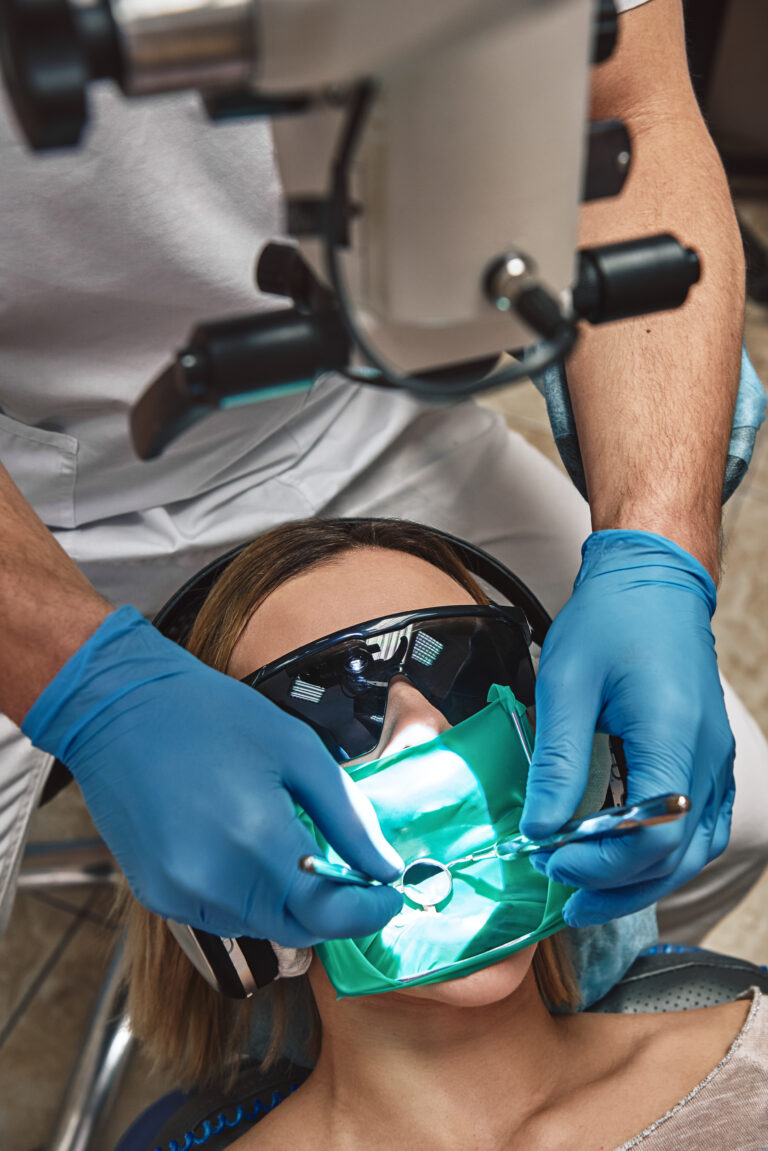
Once the treatment plan is established, local anesthesia is administered to ensure patient comfort throughout the procedure and help reduce pain. The tooth is then carefully isolated to prevent contamination and improve treatment accuracy.
The next step involves creating a small opening in the tooth to access the affected pulp. This allows the clinician to assess the extent of the damage and determine the most appropriate treatment. Using specialized instruments, the dentist will remove the damaged pulp and thoroughly clean and disinfect the root canal system. This stage is a critical part of infected dental pulp treatment, as it eliminates bacteria and helps prevent further infection.
After the canals have been cleaned, they are sealed using biocompatible materials. Proper filling and sealing are essential to prevent reinfection and support the long-term success of the procedure. To restore the tooth’s strength and function, a permanent restoration is then placed. Depending on the amount of remaining tooth structure, this may involve a filling or crown. In cases where additional protection is required, a crown is often recommended to provide long-term durability.
Root Canal Treatment for Pulpitis
In advanced cases, root canal for pulpitis is considered the gold standard. During root canal treatment, the infected tissue is removed, and the canals are disinfected and sealed.
Modern techniques have made modern root canal procedures more efficient and comfortable than in the past. The objective is preserving the natural tooth whenever possible.
The procedure focuses on maintaining natural teeth and protecting the remaining natural tooth structure. Successful treatment allows patients to keep the tooth for many years.
Because treatment is performed within the root system, dentists often refer to these procedures as root canals or endodontic therapy.
Managing Pain and Recovery after Treatment
Effective pulpitis pain management begins with proper diagnosis and timely care. After treatment, patients should:
- Avoid eating until numbness wears off.
- Avoid chewing on the affected tooth if a temporary filling has been placed.
- Follow all post-treatment instructions.
Good oral hygiene is essential during recovery. Patients should:
- Brush twice daily with fluoride toothpaste.
- Limit sugary foods.
- Reduce consumption of sugary foods and drinks.
- Avoid tobacco products.
- Maintain excellent oral health habits.
What Happens Without Treatment?
Without treatment, pulp inflammation can worsen rapidly. An untreated infection may result in:
- Ongoing pain.
- Tissue death.
- Formation of a dental abscess.
- Damage to surrounding structures.
- Increased risk of tooth loss.
In difficult situations, pulpitis can lead to extensive infection. If the tooth cannot be restored, extraction may be recommended.
Diagnosing Pulpitis
Proper diagnosis is critical for selecting an effective treatment plan. The diagnostic process may include a clinical examination, X-rays, sensitivity testing, and percussion testing.
At Dynasty Stomatology, diagnosis is focused on assessing the overall condition of the tooth and surrounding tissues. This comprehensive approach helps our dentists determine the extent of the infection and recommend the most appropriate treatment plan for each patient.
For long-standing conditions, a chronic pulpitis diagnosis may require additional evaluation to determine the extent of damage. Advanced imaging and detailed clinical assessment allow our team to detect changes that may not be visible during a routine examination and develop a treatment strategy aimed at preserving the tooth whenever possible.

Can Pulpitis Be Prevented?
Many patients ask whether pulpitis be prevented. In most cases, the answer is yes. Helpful preventive measures include:
- Brush after meals.
- Use dental floss daily.
- Rinse with antibacterial mouthwash.
- Schedule regular dental checkups.
- Wear protective mouthguards during sports.
- Quit smoking.
Consistent dental care significantly reduces the risk of decay and infection. Routine examinations allow dentists to identify early signs of disease, including pulpitis, before serious complications develop.
Final Thoughts — Saving a Tooth from Loss
Pulpitis is a serious but highly treatable condition. Early intervention can treat inflammation before irreversible damage occurs. Whether the problem involves minor sensitivity or advanced infection, obtaining professional dental treatment promptly offers the best chance of success.
The right treatment option depends on the severity of the disease. In many situations, dentists can preserve the tooth through conservative care or endodontic procedures. Timely treatment protects the tooth, prevents infection, and supports long-term function.
If you experience symptoms such as lingering sensitivity, swelling, or severe discomfort, do not delay seeking care. Early diagnosis and proper management can help maintain healthy teeth and avoid unnecessary complications.
At Dynasty Stomatology, we focus on combining clinical precision with a patient-centered approach. The emphasis is not only on treatment outcomes, but also on comfort, communication, and a carefully structured care experience that helps patients feel confident at every stage of their dental journey.
FAQ about Dental Pulp, Abscess, and Treatment Options
-
Can pulpitis heal on its own without treatment?
In most cases, acute pulpitis treatment is necessary because the inflammation does not resolve on its own. In very early stages, when irritation is limited to the area inside the tooth, symptoms may temporarily improve. However, without professional care, the condition can progress quickly and affect deeper structures, including the pulp tissue.
-
How do dentists diagnose pulpitis?
Dentists diagnose the condition by evaluating symptoms, clinical tests, and imaging to confirm inflammation of the dental pulp. They also check whether the infection has affected the surrounding connective tissue. Special attention is given to areas beneath the enamel, where early damage often begins.
-
Is pulpitis treatment painful?
Modern dentistry ensures that even cases involving infected pulp can be treated with minimal discomfort. Local anesthesia fully controls pain during the procedure, making the treatment comfortable for most patients. Any sensitivity usually occurs before or after professional treatment, not during it.
-
What happens if irreversible pulpitis is left untreated?
If left untreated, the infection may gradually enter the pulp and lead to severe complications. In some cases, this becomes a true dental emergency requiring immediate care. The infection can also spread beyond the root tip, affecting the surrounding bone and tissues.
-
How long does it take to recover after pulpitis treatment?
Recovery time depends on the severity of the case and whether an infected root canal was involved. Healing occurs gradually as the tissues inside the walls of the tooth stabilize after treatment. Most patients return to normal function within a few days.
-
Can a tooth with pulpitis always be saved?
Not always, but in many cases, the tooth can be preserved with timely care. The outcome depends on how far the infection has progressed and how long it has been left untreated. Early intervention significantly increases the chances of saving the tooth and avoiding extraction.
Pulpitis Pain Is a Signal You Shouldn’t Ignore
At Dynasty Stomatology, we focus on careful diagnosis and modern endodontic treatment approaches that allow us to preserve teeth even in complex cases. Our approach is about understanding the root cause and choosing the most gentle and effective solution for each patient. Timely consultation helps avoid more complex procedures and keeps treatment as simple and predictable as possible.


Do you want to treat your teeth while you sleep?
Schedule an appointment!
By clicking the button, you give your agreet your personal data in accordance with privacy policy.
Services related to this topic
All services-
Treatment of dental hypersensitivity in Prague
Toothache when eating something cold, sweet or sour is a common cause of discomfort in patients of all ages. If you are concerned about increased t...
To the service -
Endodontic retreatment in Prague
Re-treatment of root canals is required in cases where the initial treatment has proven ineffective and the tooth continues to cause discomfort, in...
To the service -
Modern diagnostics and treatment of TMJ dysfunction
Temporomandibular joint dysfunction is a common problem that can significantly impair quality of life due to pain, limited movement, and bite probl...
To the service -
Oral sanitation before medical procedures
Before important medical interventions – surgery, childbirth or the start of chemotherapy – it is especially important to clean up the ...
To the service -
Aesthetic restoration of teeth
How many times a day do you smile? No matter the number, we can assure you that after an aesthetic restoration at Dynasty Stomatology in Prague (Cz...
To the service -
Dental treatment under a microscope
Root canal treatments have been radically transformed with the advent of the dental microscope in endodontics. It enables the specialist to view in...
To the service -
Root canal treatment
Root canal treatment is required when the tooth pulp becomes inflamed or infected because of decay, injury or repeated dental treatment procedures....
To the service -
Pulpitis treatment
Did you neglect treating tooth decay? Or fail to visit a dentist in time after a dental injury? Then the infection may have penetrated the inner ti...
To the service -
Treatment of halitosis (bad breath)
Do you feel discomfort due to unpleasant breath? Have you lost self-confidence? Looking for a way to treat bad breath effectively? At Dynasty Stoma...
To the service -
Treatment of initial caries using the ICON method
Initial caries is a damage to the enamel that has not yet affected the deeper layers of the tooth. It often appears as a white spot on the enamel a...
To the service -
Treatment of a broken tooth
A broken tooth is always an unpleasant surprise that happens at the most inopportune time. But don’t be in a hurry to despair! The highly tra...
To the service




Read also
View all blog-
07.07.2026
9
13 min. read
Cavity – causes, symptoms and treatments
Most people think of tooth decay as simply a small hole in the tooth that will eventually need to be filled. In fact, it begins much earlier. Month...
Read more -
03.07.2026
31
8 min. read
Dental Pulpitis Treatment — Saving a Tooth From Pain and Loss
Have you ever experienced a sudden, sharp toothache? It might seem like a reaction to something cold or the aftereffects of eating something sweet....
Read more -
02.07.2026
36
12 min. read
How to Fix Tooth Sensitivity – The Complete Guide to Fast Relief and Permanent Solutions
Have you ever felt a sharp pain when taking a sip of hot coffee or eating your favorite ice cream? One day, everything was fine, but the next, your...
Read more -
30.06.2026
58
10 min. read
Endodontic Retreatment – Why Root Canal Treatment Sometimes Needs to Be Repeate
Most people believe that root canal treatment solves the problem forever. In most cases, this is precisely what happens. However, sometimes, after ...
Read more -
08.06.2026
79
9 min. read
What is Oral Thrush – Symptoms, Treatment and Prevention
Have you noticed a white coating on your tongue that doesn’t go away even after brushing your teeth? Or a strange burning sensation in your m...
Read more -
05.06.2026
70
8 min. read
Dental Care For Pregnant Women – What you need to know
Pregnancy affects nearly every part of the body — including teeth and gums. Many women notice bleeding gums, increased sensitivity, or sudden tooth...
Read more -
03.06.2026
146
11 min. read
What to Do After a Wisdom Tooth Extraction – a Guide to Healing and Care
Going to the dentist to have a wisdom tooth removed often brings fear and many questions, both before and after. For example, is it normal for my c...
Read more