
What is Gingivitis – Symptoms, Causes and Treatments


08.05.2026
98
7 min. read
Why Patients Trust Dynasty Stomatology
The trust in Dynasty Stomatology is built on a combination of many years of experience and an individual approach to every patient. We understand that a visit to the dentist is often accompanied by anxiety, so we place special emphasis on creating a comfortable and calm atmosphere where every patient feels safe.
The clinic is equipped with modern technology and uses advanced treatment methods, ensuring that procedures are carried out with maximum precision, efficiency, and comfort. All materials undergo strict quality control, and our doctors regularly improve their qualifications to offer only the most up-to-date and proven techniques.
In addition, Dynasty Stomatology values long-term relationships with patients. Our goal is not only to solve the problem at hand but also to maintain the health of teeth and gums for years to come. Openness, honesty, and transparency are the key principles that have earned the clinic its reputation as a reliable dental partner.
Facts about Dynasty Stomatology:
✅ Over 10 years of successful work in dentistry.
✅ Hundreds of positive reviews from patients in Poland and abroad.
✅ We use premium materials from leading global brands.
✅ We offer treatment under sedation and general anesthesia.
✅ A full range of services — from pediatric dentistry to complex surgical operations.
Dynasty Stomatology — trust, expertise, reliability, and care for the beauty of your smile.
Learn about usMedical Expertise
Dynasty Stomatology’s doctors conduct medical reviews of all materials on the website to ensure their accuracy and practical value. Our authors and editors are experienced specialists in the fields of therapeutic, surgical, orthopedic, and pediatric dentistry. This approach allows us to maintain high professional standards and provide our readers with only verified, up-to-date, and useful information.
You brush your teeth twice a day, use a good toothpaste, and even floss occasionally. But then one day you notice blood on your toothbrush. A foul odor develops. Your gums become sensitive. It seems like nothing serious and will go away on its own. But in reality, this is often how gingivitis begins.
This condition is often ignored. It doesn’t cause severe pain and doesn’t interfere with your daily life. But it’s the starting point for almost all serious gum problems. And if left untreated, simple discomfort can lead to long-term, expensive treatment.
In this article, we’ll explore the causes of gingivitis, the signals the body sends, and what really works in treatment and prevention. Without complex terms or unnecessary theory — just what’s important to know to maintain healthy gums and avoid complications.
What is Gingivitis?
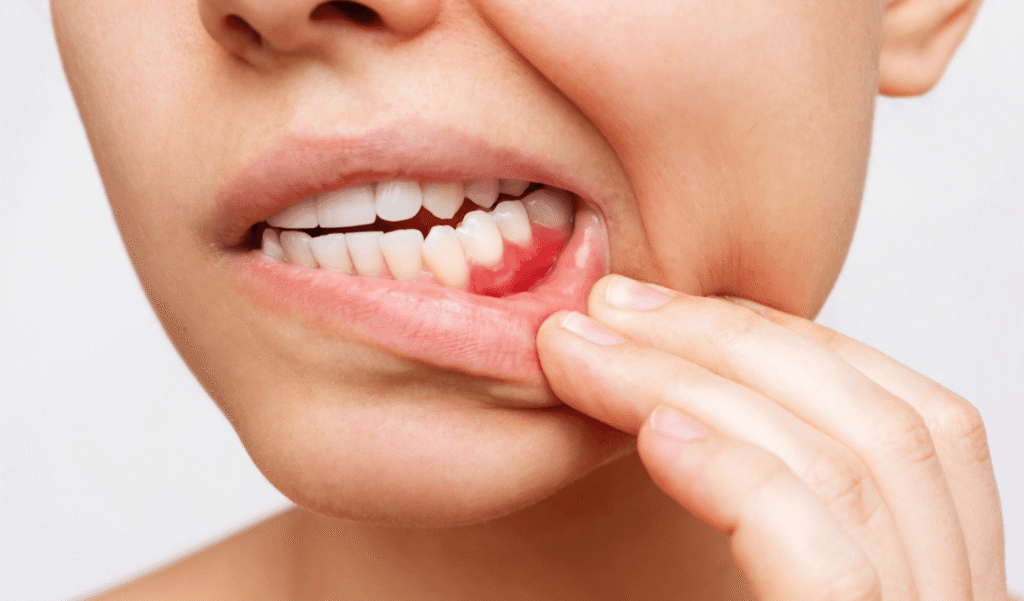
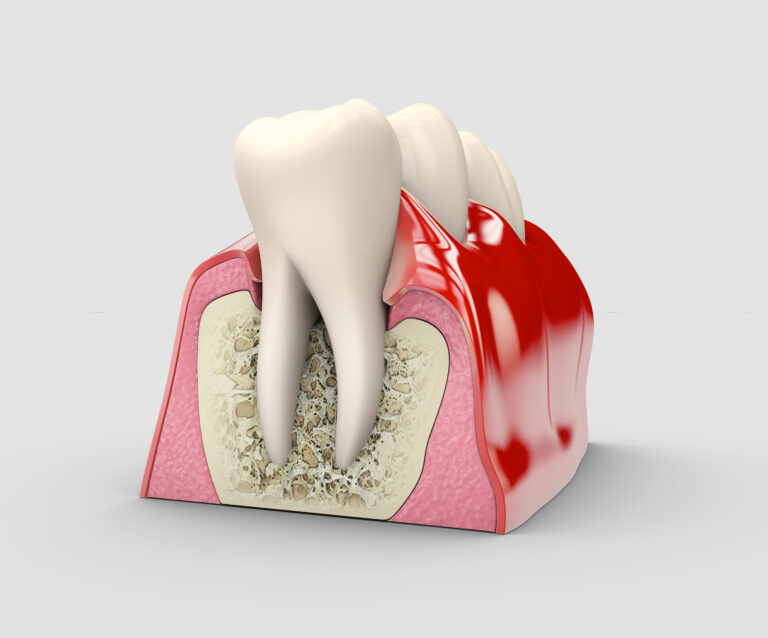
Gingivitis is an early form of gum disease that affects the soft tissues around the teeth. This condition develops when bacteria irritate the gum tissue, causing oral inflammation. Simply put, it is the earliest stage of gum disease.
The condition begins subtly but can progress. Many people don’t notice the problem right away because the symptoms are subtle. Without treatment, it can progress to periodontitis.
Causes of Gingivitis
The key to preventing the disease is understanding its cause. The primary cause of gingivitis is poor hygiene, but there are other factors that can contribute to it. Let’s take a closer look:
- The main factor is plaque buildup on gums. Plaque is a sticky bacterial deposit that forms on the tooth surface and along the gum line. If plaque is not removed, it hardens into tartar, which cannot be removed with a toothbrush. It irritates the gums and causes inflammation.
- Poor oral hygiene is a common cause of gingivitis. If you don’t brush and floss regularly, plaque can accumulate in hard-to-reach areas. The area between teeth and along the gum line is particularly vulnerable. Over time, this leads to inflammation and bleeding.
- Smoking weakens the body’s defenses. It impairs blood flow to the gums and slows tissue repair. This greatly increases the risk of gingivitis.
- Poor nutrition affects gum health more than you might think. A lack of vitamins and minerals weakens the tissue. The body is less able to fight inflammation, and gums become more vulnerable to bacteria.
- Some medications reduce saliva production. Saliva plays a vital role in protecting the oral cavity. When it’s insufficient, bacteria multiply faster. This increases the risk of gum infection and accelerates the development of inflammation.
- Hormonal changes increase gum sensitivity. This is especially noticeable during adolescence, pregnancy, or hormonal imbalances.
- Any health condition that affects immunity can worsen oral health. For example, chronic diseases or diabetes. In such cases, the body has less control over inflammatory processes.
Symptoms of Gingivitis
Early detection of symptoms helps prevent complications and stop the progression at an early stage. It’s important to understand that at this stage, the disease can progress almost unnoticed. This is why many patients delay seeing a doctor.
Key signs and symptoms of gingivitis that appear first:
- Constant bad breath.
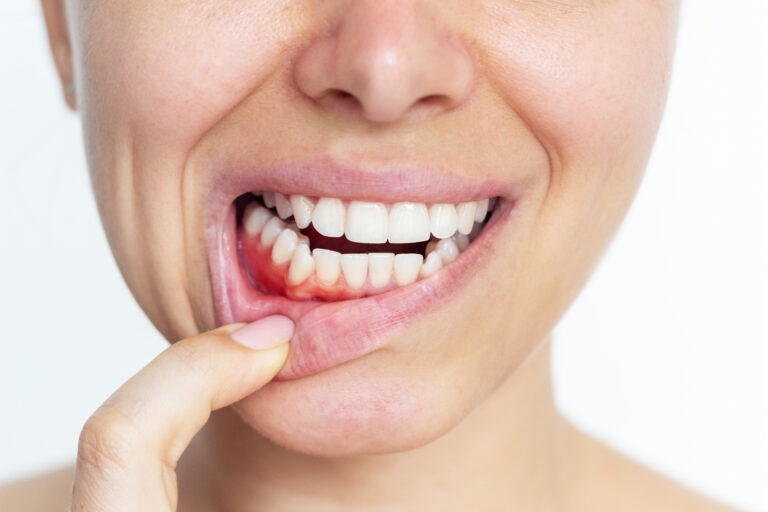
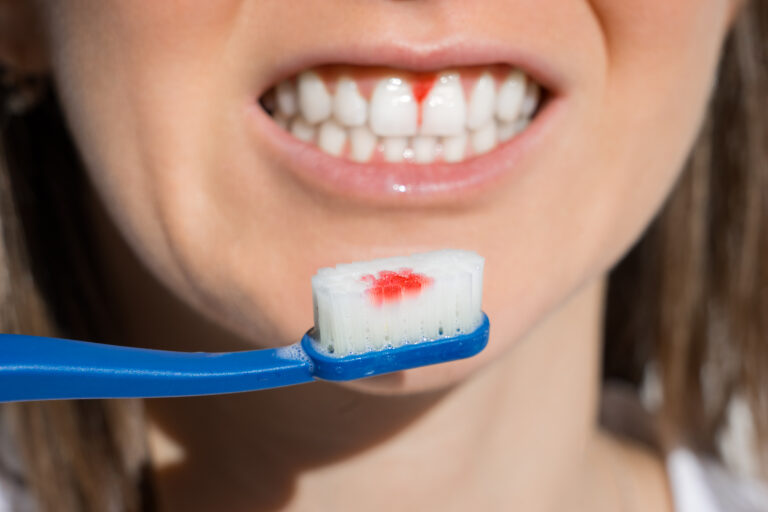
- Bleeding gums when brushing.
- Red, inflamed gums.
- Gums may swell.
- Tender gums that respond to pressure.
- Increased sensitivity to food temperature.
- Mild discomfort when chewing.
How Do You Treat Gingivitis?
It’s important to treat gingivitis promptly. The sooner treatment begins, the faster and easier it is to restore gum health. Effective gingivitis treatment depends on the stage of the disease and the individual patient’s characteristics.
Professional cleaning
The first and most essential step is a dental cleaning performed by a dentist or dental hygienist. This procedure removes soft plaque and hard deposits. If inflammation is already severe, scaling and root planing are prescribed. In this case, the scaling and root planing method is used to clean the root surface of the tooth and remove bacteria under the gum. This reduces inflammation and promotes tissue recovery.
Improved oral hygiene
Without home care, treatment will be ineffective. It’s essential to establish a stable oral hygiene routine for gums. Specifically, regular care, daily brushing, and interdental care.
Use Mouthwash
Antibacterial mouthwashes reduce bacteria. They complement brushing and help reduce inflammation, especially in hard-to-reach areas.
Tooth Repair
Old fillings, uneven crown edges, or damaged restorations can trap plaque. These should be corrected as part of an overall treatment plan to eliminate the source of the problem.
Medical Care
In more complex cases, a dental professional may be involved, who may prescribe additional treatments or procedures. This may include medication therapy or monitoring of gum health over time.
With the right approach, you can completely get rid of gingivitis and restore gum health without complicated procedures. In most cases, eliminating the cause of the inflammation and establishing a regular care routine is sufficient.
How to Prevent Gingivitis?
Follow gingivitis prevention tips to maintain gum health and avoid future inflammation. Prevention is always easier and cheaper than a cure, especially when it comes to gums.
Stick to a good oral hygiene routine
- Brush your teeth regularly at least twice a day.
- Thoroughly clean your teeth and gums.
- Pay special attention to the area along the gum line, where plaque most often accumulates.
- You can use an electric toothbrush, which removes more plaque than a manual toothbrush.
- Regular flossing is essential. It removes food debris and bacteria between teeth, where a toothbrush can’t reach.
- Antibacterial mouthwashes complement daily oral hygiene. They reduce bacteria and keep your breath fresh.
Visit your dentist regularly
Regular dental checkups allow you to identify problems at an early stage, monitor the condition of your gums, and avoid complications. During a visit, a doctor can notice early changes that the patient may not notice. This allows for timely adjustments to care, professional cleaning, and prevention of inflammation.
Stop smoking
Quitting smoking improves blood circulation and accelerates tissue repair. Nicotine constricts blood vessels, reducing the amount of oxygen and nutrients the gums receive. Quitting smoking helps tissue repair itself more quickly, reduces inflammation, and lowers the risk of chronic gum problems.
Nutrition
Follow healthy gum tips and maintain a balanced diet. Your diet should include adequate vitamins, especially vitamins C and D, as well as minerals. A healthy diet strengthens gums, supports immunity, and helps the body fight bacteria. Limiting sugar and acidic foods also reduces the risk of inflammation and plaque formation.

Gingivitis — Conclusion
Gingivitis is a rare medical condition where prompt action truly matters. At an early stage, it can be completely stopped, without pain, complicated procedures, or significant expense. But if left untreated, the situation worsens and requires a different level of intervention.
Proper hygiene, regular dental visits, and a focused approach to your health help keep gums healthy for years to come. And if the first signs of inflammation appear, it’s important to address them immediately.
At Dynasty Stomatology, we approach treatment comprehensively and with care for each patient. We help eliminate the problem, understand the cause, and prevent its recurrence. Our team does everything possible to ensure treatment is comfortable, understandable, and effective, because a healthy smile begins with the right approach and trust in your dentist.
FAQ about Gingivitis Symptoms and Causes
-
Gingivitis vs. periodontitis — what’s the difference?
The key difference lies in the severity and depth of damage. Gingivitis is the first stage and a mild form of gum disease, while the advanced condition is called periodontitis, a serious form of periodontal disease. At the gingivitis stage, the problem is limited to the surface and inflammation of the gums, but once it progresses, it affects deeper tissues and bone. Understanding these gum disease stages helps patients act early and avoid complications.
-
Is gingivitis a serious problem?
At first, it may seem harmless because symptoms are mild, but ignoring it is risky. Gingivitis is a common and early condition, yet it can quickly become a serious gum disease if untreated. Many patients notice gingivitis symptoms like gingival bleeding or discomfort, but delay care. Over time, gingivitis can lead to irreversible damage and even tooth loss.
-
How long does gingivitis last?
The duration depends on how quickly you respond. Gingivitis usually resolves within a few weeks with proper care and prompt treatment. However, if the underlying causes are not removed, it may persist much longer. Early treatment of gingivitis significantly speeds up recovery and improves overall dental health.
-
Why isn’t my gingivitis going away?
Persistent symptoms often mean the root issue hasn’t been addressed. The most common reason is that factors that cause gingivitis, such as plaque and tartar, are still present. Sometimes other conditions contribute to gingivitis, including systemic issues or improper hygiene. In such cases, a professional must diagnose gingivitis correctly and adjust the treatment plan with appropriate treatment options.
-
Can gingivitis be reversed at home?
Yes, in many cases, because gingivitis is reversible. With consistent care, you can reverse gingivitis by improving daily hygiene and focusing on improving gum health. However, home care works best when symptoms are mild and detected early. For more noticeable signs of gingivitis, combining home care with professional treatment for gingivitis is the safest approach.
-
Is gingivitis contagious or can it spread to others?
Gingivitis itself is not directly contagious, but bacteria that cause gingivitis can be transferred through saliva. This means that under certain conditions, another person could develop gingivitis if their oral hygiene is poor. It’s especially important to maintain strong hygiene habits to treat and prevent gingivitis effectively. Keeping good habits protects not just you but also those around you.
-
What happens if gingivitis is left untreated?
Ignoring the condition allows it to worsen over time. Untreated gingivitis can progress and gingivitis can progress into a more severe type of gum disease known as gum disease called periodontitis or disease called periodontitis. This stage damages deeper tissues and may lead to tooth instability or loss. In rare cases, aggressive forms like necrotizing ulcerative gingivitis may develop.
-
Can children and teenagers get gingivitis?
Yes, young people can also be affected. Hormonal changes and inconsistent hygiene can cause gingivitis even at an early age. In many cases, it starts as early gum disease with mild symptoms, such as redness or gum inflammation in part of your gum area. The good news is that early education helps children treat and prevent the condition and maintain lifelong oral health.
Take the First Step Toward Healthy Gums
Don’t ignore the early signs; even slight bleeding or sensitivity can be the beginning of gum disease. The sooner you act, the easier and faster the treatment will be.
Book a consultation at Dynasty Stomatology to get a clear diagnosis, a personalized treatment plan, and professional care tailored to your needs. Our experienced specialists will help you restore your gum health, eliminate discomfort, and prevent future complications.


Do you want to treat your teeth while you sleep?
Schedule an appointment!
By clicking the button, you give your agreet your personal data in accordance with privacy policy.
Services related to this topic
All services-
Treatment of gum recession
Gum recession is a common condition where the tissue of the gums pull away from your teeth, exposing the tooth root. Known as gingival recession in...
To the service -
Treatment of periodontitis
You should never ignore gum infections assuming it will go disappear on its own. Untreated infections will escalate into gum disease becoming a maj...
To the service -
Gum treatment
Gum treatment mitigates infection, bacteria and plaque. Scaling and root planing protects gums and teeth to make them healthy and strong. Professio...
To the service -
Closed curettage
A curettage procedure in dentistry is commonly performed in the treatment of periodontal disease caused by poor oral hygiene. It is non-surgical in...
To the service -
Treatment for Bleeding Gums
Have you noticed an unpleasant odor from your mouth? Do you experience discomfort when using dental floss? Do your gums bleed when brushing or eati...
To the service -
Consultation with a periodontist
Good oral health is indispensable for your overall mental and physical health. Every three or four months, you are advised to visit a skilled perio...
To the service

Read also
View all blog-
07.07.2026
9
13 min. read
Cavity – causes, symptoms and treatments
Most people think of tooth decay as simply a small hole in the tooth that will eventually need to be filled. In fact, it begins much earlier. Month...
Read more -
03.07.2026
31
8 min. read
Dental Pulpitis Treatment — Saving a Tooth From Pain and Loss
Have you ever experienced a sudden, sharp toothache? It might seem like a reaction to something cold or the aftereffects of eating something sweet....
Read more -
02.07.2026
36
12 min. read
How to Fix Tooth Sensitivity – The Complete Guide to Fast Relief and Permanent Solutions
Have you ever felt a sharp pain when taking a sip of hot coffee or eating your favorite ice cream? One day, everything was fine, but the next, your...
Read more -
30.06.2026
58
10 min. read
Endodontic Retreatment – Why Root Canal Treatment Sometimes Needs to Be Repeate
Most people believe that root canal treatment solves the problem forever. In most cases, this is precisely what happens. However, sometimes, after ...
Read more -
08.06.2026
79
9 min. read
What is Oral Thrush – Symptoms, Treatment and Prevention
Have you noticed a white coating on your tongue that doesn’t go away even after brushing your teeth? Or a strange burning sensation in your m...
Read more -
05.06.2026
70
8 min. read
Dental Care For Pregnant Women – What you need to know
Pregnancy affects nearly every part of the body — including teeth and gums. Many women notice bleeding gums, increased sensitivity, or sudden tooth...
Read more -
03.06.2026
146
11 min. read
What to Do After a Wisdom Tooth Extraction – a Guide to Healing and Care
Going to the dentist to have a wisdom tooth removed often brings fear and many questions, both before and after. For example, is it normal for my c...
Read more