

Bleeding gums: common gum disease treatments, causes, prevention


23.07.2025
346
5 min. read
Why Patients Trust Dynasty Stomatology
The trust in Dynasty Stomatology is built on a combination of many years of experience and an individual approach to every patient. We understand that a visit to the dentist is often accompanied by anxiety, so we place special emphasis on creating a comfortable and calm atmosphere where every patient feels safe.
The clinic is equipped with modern technology and uses advanced treatment methods, ensuring that procedures are carried out with maximum precision, efficiency, and comfort. All materials undergo strict quality control, and our doctors regularly improve their qualifications to offer only the most up-to-date and proven techniques.
In addition, Dynasty Stomatology values long-term relationships with patients. Our goal is not only to solve the problem at hand but also to maintain the health of teeth and gums for years to come. Openness, honesty, and transparency are the key principles that have earned the clinic its reputation as a reliable dental partner.
Facts about Dynasty Stomatology:
✅ Over 10 years of successful work in dentistry.
✅ Hundreds of positive reviews from patients in Poland and abroad.
✅ We use premium materials from leading global brands.
✅ We offer treatment under sedation and general anesthesia.
✅ A full range of services — from pediatric dentistry to complex surgical operations.
Dynasty Stomatology — trust, expertise, reliability, and care for the beauty of your smile.
Learn about usMedical Expertise
Dynasty Stomatology’s doctors conduct medical reviews of all materials on the website to ensure their accuracy and practical value. Our authors and editors are experienced specialists in the fields of therapeutic, surgical, orthopedic, and pediatric dentistry. This approach allows us to maintain high professional standards and provide our readers with only verified, up-to-date, and useful information.
Bleeding gums are often one of the first warning signs that something isn’t quite right with your oral health. Whether you notice blood while brushing or lingering sensitivity, it’s important not to ignore it. In this article, we’ll walk you through the common causes of bleeding gums, the stages of effective treatment, and simple ways to prevent gum disease before it starts.
What do bleeding gums mean?
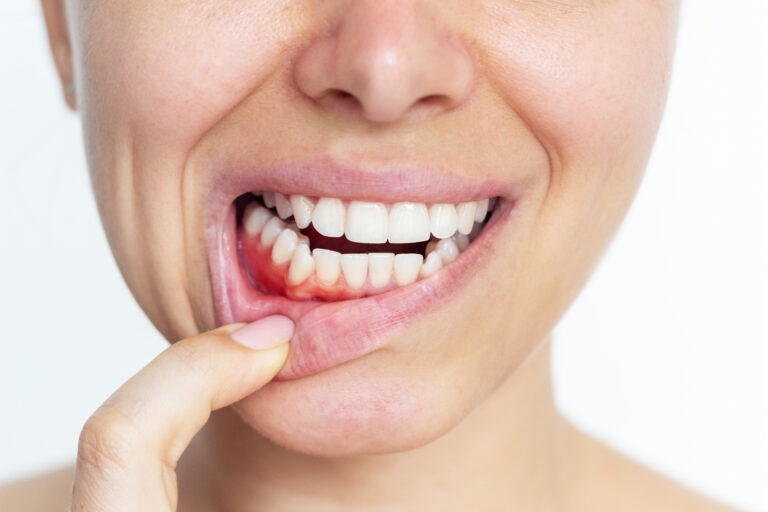
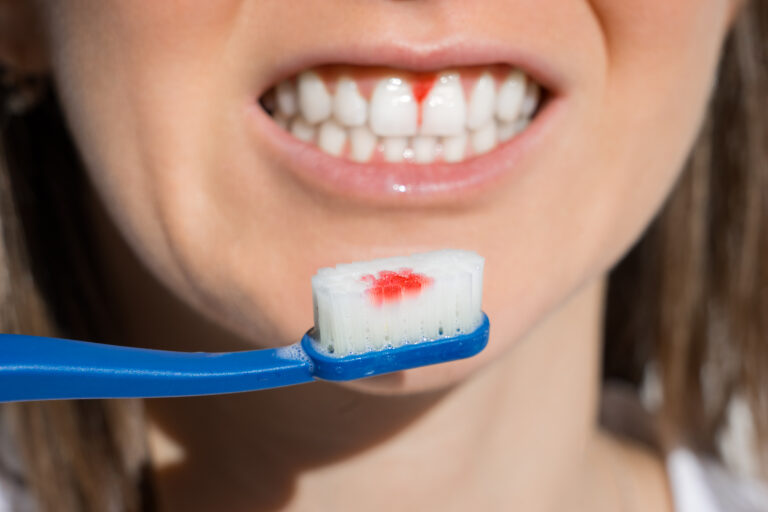
Bleeding gums are a common symptom that may signal irritation, inflammation, or even the early stage of gum disease. If you notice blood from gums while brushing or find bleeding from the gums overnight, it’s your body’s way of telling you something’s wrong. This could be a response to sensitive teeth, poor gum health, or a deeper gum tissue problem that shouldn’t be ignored.
Causes of bleeding gums
Bleeding gums can happen for many reasons — from poor hygiene to underlying medical conditions. Understanding the causes of bleeding gums is the first step toward proper care and prevention.
Here are the most frequent causes of gum bleeding:
- Poor oral hygiene;
- Smoking;
- Gingivitis;
- Periodontitis;
- Trench mouth;
- Diabetes;
- Hormonal changes (puberty, pregnancy, menopause);
- Vitamin K deficiency;
- Vitamin C deficiency;
- Blood-thinning medications;
- Pernicious anemia;
- Thrombocytopenia;
- Hemophilia;
- Von Willebrand disease;
- Oral herpes;
- HIV/AIDS;
- Stress;
- Leukemia.
Understanding the causes of bleeding gums is the first step toward finding the right treatments for bleeding gums and avoiding further complications. If your gums are constantly bleeding, it’s not normal — consult your dentist to keep your gums healthy.
Common Gum Disease Treatments
If your gums are bleeding, inflamed, or swollen — it could be a sign of gum disease. Fortunately, modern dental care offers several treatment options that address both early and advanced gum disease. Here’s what might help, depending on the form of gum disease, its severity, and how soon you take action.
- Improved oral hygiene at home. Perfect for the earliest stage of gum disease. Brushing properly along the gum line, flossing daily, and using an antibacterial mouthwash can help reduce inflammation of the gums, stop gums to bleed, and promote healthy gums.
- Antibiotics. Used when there’s gum inflammation caused by bacterial infection deep under the surface. Antibiotics help lower the risk of gum disease progressing and are often paired with other dental treatments.
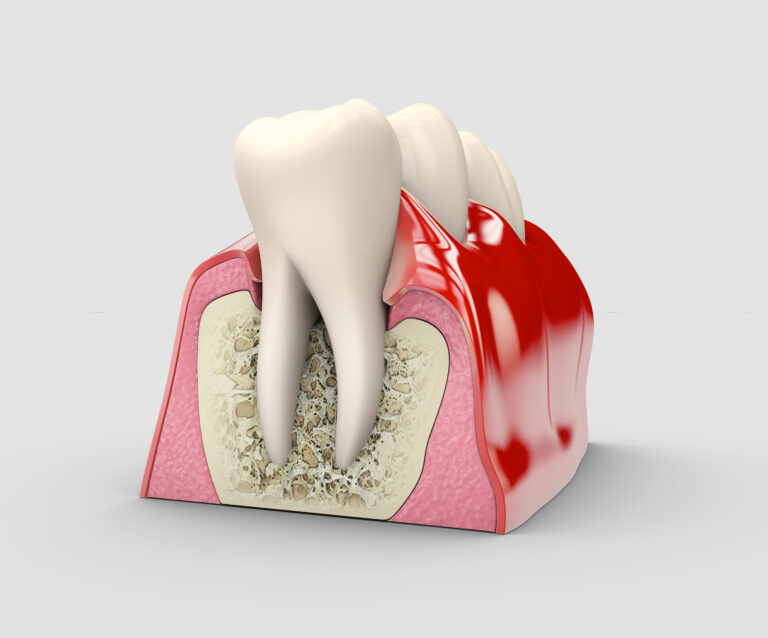
- Tooth scaling and root planing (deep dental cleaning). Recommended when plaque and tartar build up around or under the gums and teeth. This procedure removes the buildup that causes gum bleeding around tooth, aiming to reverse early sign of gum disease.
- Osseous surgery. Needed in advanced gum disease when deep pockets have formed around teeth. This surgical procedure cleans infected areas and reshapes bone to reduce pocket depth — helping to stop teeth always bleeding and preserve your smile.
- Laser periodontal surgery. A modern, minimally invasive approach for treating bleeding in gums and receding gums. It targets infected tissue and bacteria with precision, promoting faster healing and less discomfort compared to traditional surgery.
How to stop bleeding gums at home?
If you’re dealing with bleeding gums at home, simple steps can help ease the symptoms and lower the risk of gum disease. Here’s how to stop bleeding gently and effectively:
- Brush two to three times a day;
- Floss once daily;
- Use a soft-bristled toothbrush;
- Rinse your mouth with warm saltwater;
- Use an antibacterial mouthwash;
- Avoid smoking.
These habits can maintain healthy gums and reduce gum disease bleeding over time.

What happens if you ignore bleeding gums?
Ignoring bleeding gums can lead to serious complications. What starts as mild mouth gum bleeding or blood in gums may progress into periodontal disease, tooth loss, and even bone damage. If gums constantly bleeding or you notice blood coming from teeth, this may signal an advanced stage of gum issues that needs urgent care.
How to prevent gums from bleeding in the first place?
To reduce the risk of bleeding in your mouth, it’s important to take early, consistent steps. Gum problems rarely appear suddenly or randomly — they’re usually the result of ongoing habits or health issues. Here’s what you can do:
- Proper Oral Hygiene: Daily brushing and flossing help remove plaque, which may cause gums to bleed or lead to gingival inflammation and bleeding inside gums.
- Regular Dental Checkups: Visiting for regular exams allows early detection of symptoms of gum disease, such as blood gums or swollen gums.
- Balanced Diet: What you eat matters — nutrient-rich foods strengthen the teeth and gums and may prevent teeth blood problems or teeth bleeding causes.
- Avoid Tobacco Products: Smoking increases the chances of mouth with blood and bloody mouth, as it weakens gum tissue and delays healing.
- Stress Management: Stress can lower immunity and make your body less able to fight the causes and treatment of gum infections, which may lead to constant or excessively bleeding gums.
Taking these steps consistently can help you avoid needing a remedy for more severe symptoms of gum issues later.
When to Call the Doctor in Case of Bleeding Gums
Seek professional help if:
- You notice bleeding from gum that happens spontaneously or without reason.
- Bleeding gums overnight or suddenly, especially if it’s heavily or in just one spot.
- There’s blood from mouth even without brushing or flossing.
- Your gingiva bleeds easily or frequently, despite good hygiene.
- You have bleeding gums with sensitive teeth, pain, or swelling in the upper or back areas.
- You see a lot of blood or it continues over time without improving.
- There’s no clear explanation (bleeding gums why) and it feels really bad or random.
- You’re on medicine that may cause bleeding gums or worsen symptoms.
These signs may point to more than just local irritation — they can indicate underlying health issues needing prompt evaluation.
Bleeding gums – Conclusion
Bleeding gums should never be ignored. Understanding the whys behind this symptom is key to finding the right cure, especially if you experience bleeding gums with sensitive teeth or see blood from mouth without clear cause.
FAQ:
-
What deficiency causes bleeding gums?
Vitamin C deficiency is a common cause of bleeding gums, leading to weakened gum tissue and inflammation.
-
When should I worry about bleeding gums?
You should worry if bleeding gums occur suddenly, happen nowhere in your routine, or are accompanied by blood for mouth and persistent discomfort.
-
How long can you go with bleeding gums?
Bleeding gums should not be ignored for long; untreated symptoms can lead to more serious gum disease and tooth problems.
-
Can stress alone trigger bleeding gums even with good hygiene?
Yes, stress can weaken your immune system, making gums more prone to bleeding even if your hygiene is good.
-
Are bleeding gums always a sign of gum disease?
Not always, but bleeding gums sensitive teeth often indicate early gum disease or irritation needing attention.
-
How do hormonal changes affect gum health in teenagers or pregnant women?
Hormonal changes can increase gum sensitivity, causing bleeding gums even with normal care.
-
Is it normal for gums to bleed after flossing for the first time?
Mild bleeding can happen initially, but it should stop quickly with regular flossing.
-
Can a hard-bristled toothbrush cause gum bleeding?
Yes, using a hard-bristled toothbrush can damage gums and cause bleeding.
-
How does diabetes increase the risk of bleeding gums?
Diabetes affects blood flow and healing, making gums more vulnerable to bleeding and infection.
-
Are children prone to gum bleeding, or is it mostly an adult issue?
Children can experience gum bleeding too, especially if their dental hygiene is insufficient.
-
Can mouth breathing while sleeping worsen gum bleeding?
Yes, mouth breathing can dry out gums, increasing irritation and bleeding risk.
-
Is there a connection between gum bleeding and heart health?
Some studies suggest that untreated gum bleeding and inflammation may impact heart health.
-
How can I distinguish between gum bleeding caused by brushing and a more serious condition?
Bleeding from brushing usually stops quickly and occurs during brushing, while persistent or sudden bleeding nowhere related to brushing may indicate a serious problem.


Do you want to treat your teeth while you sleep?
Schedule an appointment!
By clicking the button, you give your agreet your personal data in accordance with privacy policy.
Services related to this topic
All services-
Treatment of gum recession
Gum recession is a common condition where the tissue of the gums pull away from your teeth, exposing the tooth root. Known as gingival recession in...
To the service -
Treatment of periodontitis
You should never ignore gum infections assuming it will go disappear on its own. Untreated infections will escalate into gum disease becoming a maj...
To the service -
Gum treatment
Gum treatment mitigates infection, bacteria and plaque. Scaling and root planing protects gums and teeth to make them healthy and strong. Professio...
To the service -
Closed curettage
A curettage procedure in dentistry is commonly performed in the treatment of periodontal disease caused by poor oral hygiene. It is non-surgical in...
To the service -
Treatment for Bleeding Gums
Have you noticed an unpleasant odor from your mouth? Do you experience discomfort when using dental floss? Do your gums bleed when brushing or eati...
To the service -
Consultation with a periodontist
Good oral health is indispensable for your overall mental and physical health. Every three or four months, you are advised to visit a skilled perio...
To the service

Read also
View all blog-
07.07.2026
117
13 min. read
Cavity – causes, symptoms and treatments
Most people think of tooth decay as simply a small hole in the tooth that will eventually need to be filled. In fact, it begins much earlier. Month...
Read more -
03.07.2026
134
8 min. read
Dental Pulpitis Treatment — Saving a Tooth From Pain and Loss
Have you ever experienced a sudden, sharp toothache? It might seem like a reaction to something cold or the aftereffects of eating something sweet....
Read more -
02.07.2026
159
12 min. read
How to Fix Tooth Sensitivity – The Complete Guide to Fast Relief and Permanent Solutions
Have you ever felt a sharp pain when taking a sip of hot coffee or eating your favorite ice cream? One day, everything was fine, but the next, your...
Read more -
30.06.2026
162
10 min. read
Endodontic Retreatment – Why Root Canal Treatment Sometimes Needs to Be Repeate
Most people believe that root canal treatment solves the problem forever. In most cases, this is precisely what happens. However, sometimes, after ...
Read more -
08.06.2026
175
9 min. read
What is Oral Thrush – Symptoms, Treatment and Prevention
Have you noticed a white coating on your tongue that doesn’t go away even after brushing your teeth? Or a strange burning sensation in your m...
Read more -
05.06.2026
173
8 min. read
Dental Care For Pregnant Women – What you need to know
Pregnancy affects nearly every part of the body — including teeth and gums. Many women notice bleeding gums, increased sensitivity, or sudden tooth...
Read more -
03.06.2026
267
11 min. read
What to Do After a Wisdom Tooth Extraction – a Guide to Healing and Care
Going to the dentist to have a wisdom tooth removed often brings fear and many questions, both before and after. For example, is it normal for my c...
Read more