
Toothache: How to Relieve Pain and When to See a Dentist?


25.07.2025
351
6 min. read
Why Patients Trust Dynasty Stomatology
The trust in Dynasty Stomatology is built on a combination of many years of experience and an individual approach to every patient. We understand that a visit to the dentist is often accompanied by anxiety, so we place special emphasis on creating a comfortable and calm atmosphere where every patient feels safe.
The clinic is equipped with modern technology and uses advanced treatment methods, ensuring that procedures are carried out with maximum precision, efficiency, and comfort. All materials undergo strict quality control, and our doctors regularly improve their qualifications to offer only the most up-to-date and proven techniques.
In addition, Dynasty Stomatology values long-term relationships with patients. Our goal is not only to solve the problem at hand but also to maintain the health of teeth and gums for years to come. Openness, honesty, and transparency are the key principles that have earned the clinic its reputation as a reliable dental partner.
Facts about Dynasty Stomatology:
✅ Over 10 years of successful work in dentistry.
✅ Hundreds of positive reviews from patients in Poland and abroad.
✅ We use premium materials from leading global brands.
✅ We offer treatment under sedation and general anesthesia.
✅ A full range of services — from pediatric dentistry to complex surgical operations.
Dynasty Stomatology — trust, expertise, reliability, and care for the beauty of your smile.
Learn about usMedical Expertise
Dynasty Stomatology’s doctors conduct medical reviews of all materials on the website to ensure their accuracy and practical value. Our authors and editors are experienced specialists in the fields of therapeutic, surgical, orthopedic, and pediatric dentistry. This approach allows us to maintain high professional standards and provide our readers with only verified, up-to-date, and useful information.
Toothache can strike at the worst possible moment, making it hard to eat, sleep, or focus. Whether the pain comes on suddenly or builds up over time, it’s something you shouldn’t ignore. In this article, we’ll go over simple ways to relieve tooth pain at home and explain when it’s time to call your dentist.
What is a toothache?
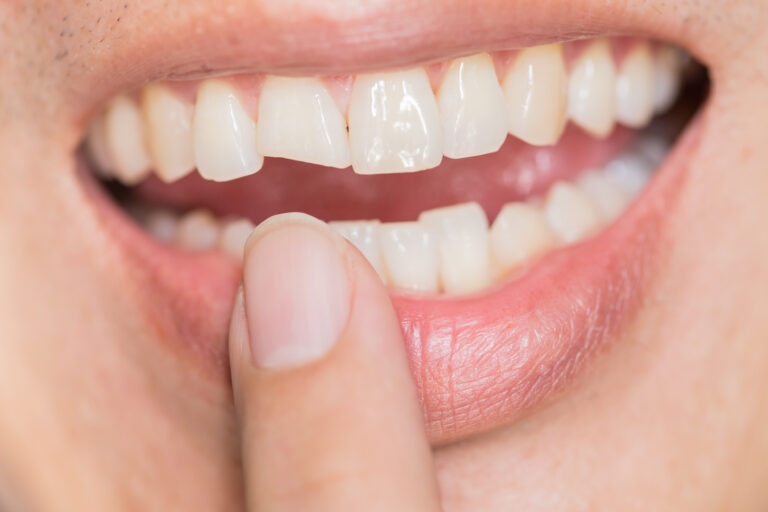
A toothache is a discomfort or pain that you feel in or around a tooth, often making it difficult to go about your day. It may start as a mild irritation or become a sharp, throbbing sensation that spreads. Whether it’s a hurting tooth or sore gums that hurt when you chew or touch them, toothache pain can be persistent and distracting. While there are ways to relieve toothache pain or reduce tooth pain at home, it’s important to know that these are usually only temporary solutions. If the pain persists or worsens, it may be time to see a dentist to find the right treatment for teeth pain.
Types of Toothaches
Toothaches can feel different depending on what’s causing the pain. Recognizing the type of pain can help you better describe your symptoms and find the right tooth pain relief or know when to see your dentist.
Types of Toothaches:
- A dull ache that doesn’t go away – A constant, mild tooth aching pain that can make it hard to focus.
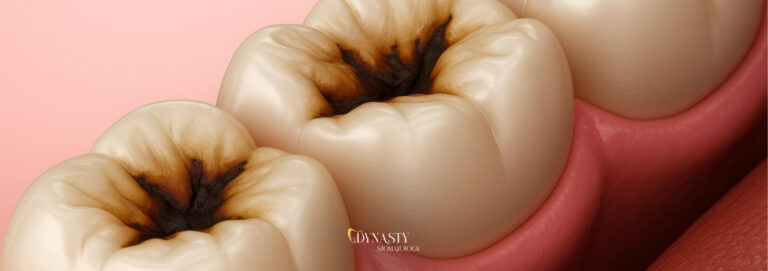
- Sharp, jabbing tooth pain – Sudden, intense pain often caused by a cavity or cracked tooth.
- Throbbing tooth pain – Rhythmic toothache pain that may signal infection or abscess.
- Teeth sensitivity – Discomfort when eating or drinking hot, cold, or sweet foods.
- Swelling in your gums – Swollen, painful gums often point to gum disease or decay.
- Headaches – Painful tooth or jaw problems can trigger recurring headaches.
- Fever – A high temperature may indicate a serious dental infection.
- Chills – Chills with tooth pain may suggest a spreading infection.
- Bad breath or bad taste – Persistent bad taste can mean decay or bacterial infection.
If you’re trying to figure out how can I stop toothache, remember: while pain relievers, ice packs, or rinsing with warm water may reduce pain, they won’t fix the underlying problem. When in doubt, consult your dentist.

Causes of Toothaches
Tooth pain can arise from many issues affecting your teeth and gums. Understanding the common causes helps in seeking timely dental treatment and finding effective remedies.
Here are possible answers to the question “Why do my teeth ache?”:
- Cavities;
- Abscessed tooth;
- Cracked tooth;
- Damaged dental restorations (fillings or crowns);
- Teeth grinding or clenching (bruxism);
- Gum disease;
- Tooth decay;
- Inflammation around the affected tooth;
- Nerve irritation or damage.
How long does a toothache last?
A toothache should never be ignored or endured for long. While some home remedies and over-the-counter pain relievers can provide temporary relief, persistent tooth pain usually signals an underlying problem that needs dental care. The only real answer to the question “how to stop pain from tooth” is to see a dentist.
How do dentists treat toothaches?
When dealing with toothache pain, dentists select the appropriate treatment based on the cause of your toothache. These common methods help provide toothache relief and ease pain in the affected area:
- Toothache medicine: Used to temporarily relieve dental pain and reduce inflammation until dental treatment.
- Dental fillings: Restore teeth damaged by decay and stop further toothache decay treatment.
- Dental crowns: Protect teeth that are severely painful or weakened to prevent more damage and relieve pain teeth.
- Inlays or onlays: Repair moderate damage when fillings aren’t enough but crowns aren’t needed, helping to reduce toothache pain.
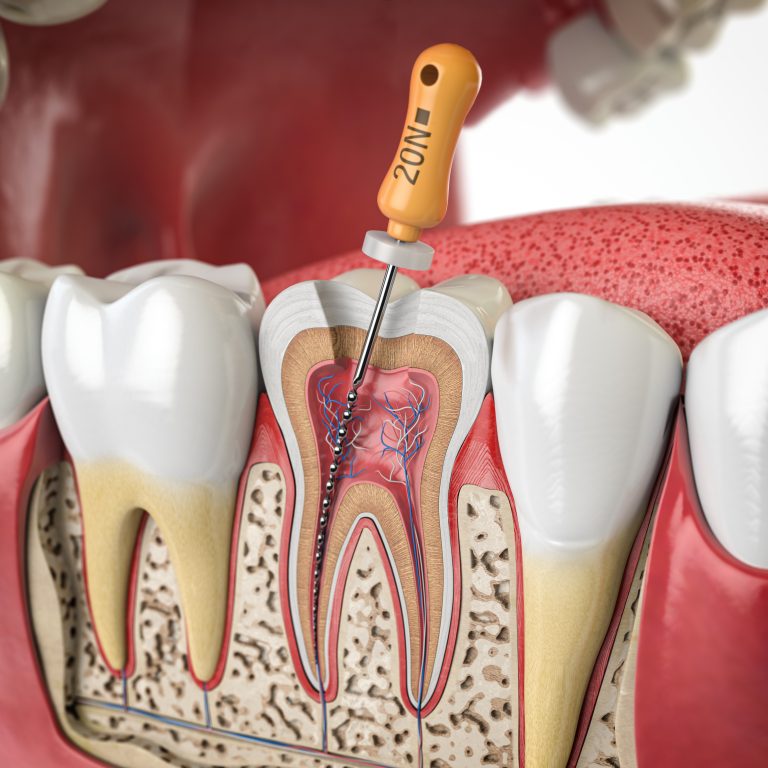
- Root canal therapy: Removes infected nerve endings inside the tooth to cure teeth pain and stop toothache symptoms.
- Tooth extraction: Recommended when the toothache persists and the tooth or gums cannot be saved, to prevent further pain and infection.
Visiting your dentist regularly is essential to prevent tooth pain and find relief early.
Are there home remedies for toothaches?
There are home remedies to ease toothache pain temporarily while you wait for a dentist:
- Saltwater rinse;
- Hydrogen peroxide rinse;
- Ice packs.
These methods provide temporary relief but are not a cure.
How can you prevent toothaches?
To prevent toothaches and maintain good oral health, follow these simple steps:
- Brush your teeth two to three times a day with fluoride toothpaste and a soft-bristled toothbrush.
- Floss daily to remove food particles and plaque.
- Use an antibacterial mouthwash twice a day to reduce bacteria.
- Limit sugary foods and drinks that cause tooth decay.
- Visit your dentist regularly for exams and cleanings.
- Ask your dentist about sealants and fluoride treatments for extra protection.
These habits help avoid tooth pain and reduce the risk of dental problems.
When should you see a dentist?
If you experience any of the following, it’s important to see a dentist as soon as possible:
- A toothache that lasts longer than two days.
- Swelling in your face or jaw.
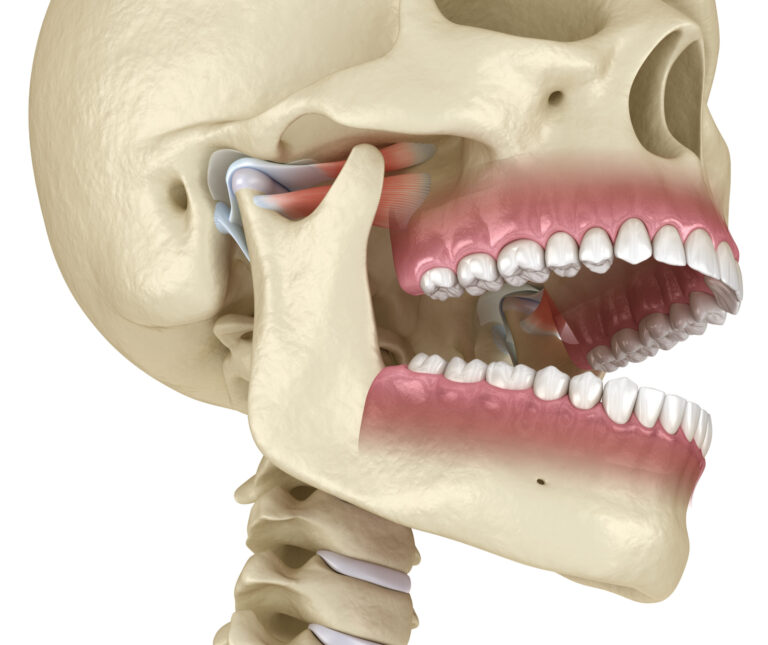
- Pain when opening your mouth wide.
Ignoring these symptoms can worsen pain and lead to more serious dental problems requiring urgent treatment.
When should you go to the emergency room for a toothache?
In some cases, toothache pain becomes severe and requires immediate attention. Don’t wait for a regular dental appointment if you experience any of these urgent symptoms:
- Swelling below your eye or a knot on your jaw causing pain and discomfort.
- Unbearable tooth pain that doesn’t improve with pain medication or home remedies.
- Bleeding that won’t stop even after applying pressure.
- A fever over 101 degrees Fahrenheit (38.33 degrees Celsius), indicating possible infection.
If you have these symptoms, call a dentist or go to the emergency room right away to prevent complications and get effective treatment for teeth pain.
Toothache – Summary
Toothache is a common symptom that can range from mild discomfort to sharp pain that interferes with daily life. The causes of tooth pain vary, so identifying the source of pain is essential. While temporary pain relief is possible through remedies like salt water rinses, ibuprofen, cold compresses, and other home remedies for tooth pain, they do not replace professional care.
If you’re wondering “how can I stop a toothache?” or “how do you stop toothache at home?”, you should remember that these are only short-term solutions. Toothache pain relief often requires the expertise of a dentist. Whether you need to numb the pain, understand why your teeth hurt, or learn how to prevent toothache pain, a proper diagnosis is crucial.
To avoid tooth pain in the future, maintain regular dental check-ups and address early signs like pains in gums or teeth painful to touch. If you’re experiencing severe toothache, worsening pain and swelling, or can’t identify the part of the tooth that’s affected, you may need to see a dentist immediately.
If you’re wondering how can you stop toothache or why do my teeth hurt, our dental clinic in the Czech Republic is here to help. Our experienced dentists will identify the toothache causes, explain how to stop a sore tooth, and recommend the best treatment for teeth pain. Whether it’s sharp pain, discomfort along the gums, or recurring aches, we offer toothache solutions that work. Don’t wait — consult a dentist today for lasting relief.
FAQ:
-
Can a toothache go away on its own?
Sometimes mild discomfort may pass, but persistent pain is a common symptom that usually signals an underlying issue. It’s best to consult a dentist, as waiting may make tooth pain worse.
-
How can you tell what kind of toothache you have?
The type of ache — sharp, dull, throbbing — and its location can indicate the cause. Pain along the jaw may point to an infection or impacted tooth.
-
When is toothache an emergency?
If you experience swelling, fever, or severe pain that doesn't subside with pain relievers, it’s an emergency — a dentist may opt for immediate treatment.
-
How do you sleep with tooth pain?
A common patient question is: "How do I stop toothache, at least for the night?". Try elevating your head, avoiding cold or sugary foods, and using remedies for tooth pain relief like warm saltwater rinses for sore teeth relief.
-
Why does my toothache not go away with painkillers?
If pain relievers may not work, the issue could be a deeper infection — a dentist may prescribe antibiotics or other targeted care.
-
Does a throbbing tooth mean infection?
Yes, throbbing pain often indicates inflammation or infection, especially when combined with swelling or sensitivity.
-
Can sinus problems cause toothache-like pain?
If you're wondering "why is my tooth aching," remember: sinus pressure can provide pain that mimics a toothache, especially in the upper molars.
-
What is the link between stress and tooth pain?
Stress can cause jaw clenching or grinding, which puts pressure on teeth and may lead to ache teeth or increased sensitivity.
-
Is it safe to exercise if I have a mild toothache?
Light activity is usually fine, but avoid intense workouts if tooth pain worsens during movement.
-
Can wisdom teeth eruption be mistaken for a regular toothache?
Absolutely — the symptoms may feel similar, but a dentist may help differentiate and offer a cure for teeth pain.
-
Does cold weather make toothaches worse?
Yes, cold air can aggravate sensitive areas or cracks in the enamel, triggering pain or discomfort.
-
Can tooth pain spread to your ear or head?
Yes, especially if there’s an infection or impacted tooth — the nerves are closely connected, so pain can radiate.
-
Is it okay to use essential oils for temporary toothache relief?
Some effective home remedies for tooth pain, like clove oil, may help temporarily — but don’t replace a dental visit.
-
How do I know if my toothache is related to a cracked tooth or a cavity?
Pain when chewing or with temperature changes may suggest a crack or cavity. A dentist may opt for an X-ray to confirm.
-
Can hormonal changes (e.g., during menstruation or pregnancy) trigger tooth sensitivity or pain?
Yes, hormonal shifts can affect gum health and increase tooth sensitivity, leading to how to stop sore tooth concerns.
-
Should I avoid certain foods or drinks when I have a toothache?
Yes — avoid very hot, cold, sweet, or acidic items. This can help manage discomfort while seeking treatment teeth pain.


Do you want to treat your teeth while you sleep?
Schedule an appointment!
By clicking the button, you give your agreet your personal data in accordance with privacy policy.
Services related to this topic
All services-
Treatment of dental hypersensitivity in Prague
Toothache when eating something cold, sweet or sour is a common cause of discomfort in patients of all ages. If you are concerned about increased t...
To the service -
Endodontic retreatment in Prague
Re-treatment of root canals is required in cases where the initial treatment has proven ineffective and the tooth continues to cause discomfort, in...
To the service -
Modern diagnostics and treatment of TMJ dysfunction
Temporomandibular joint dysfunction is a common problem that can significantly impair quality of life due to pain, limited movement, and bite probl...
To the service -
Oral sanitation before medical procedures
Before important medical interventions – surgery, childbirth or the start of chemotherapy – it is especially important to clean up the ...
To the service -
Aesthetic restoration of teeth
How many times a day do you smile? No matter the number, we can assure you that after an aesthetic restoration at Dynasty Stomatology in Prague (Cz...
To the service -
Dental treatment under a microscope
Root canal treatments have been radically transformed with the advent of the dental microscope in endodontics. It enables the specialist to view in...
To the service -
Root canal treatment
Root canal treatment is required when the tooth pulp becomes inflamed or infected because of decay, injury or repeated dental treatment procedures....
To the service -
Pulpitis treatment
Did you neglect treating tooth decay? Or fail to visit a dentist in time after a dental injury? Then the infection may have penetrated the inner ti...
To the service -
Treatment of halitosis (bad breath)
Do you feel discomfort due to unpleasant breath? Have you lost self-confidence? Looking for a way to treat bad breath effectively? At Dynasty Stoma...
To the service -
Treatment of initial caries using the ICON method
Initial caries is a damage to the enamel that has not yet affected the deeper layers of the tooth. It often appears as a white spot on the enamel a...
To the service -
Treatment of a broken tooth
A broken tooth is always an unpleasant surprise that happens at the most inopportune time. But don’t be in a hurry to despair! The highly tra...
To the service




Read also
View all blog-
07.07.2026
9
13 min. read
Cavity – causes, symptoms and treatments
Most people think of tooth decay as simply a small hole in the tooth that will eventually need to be filled. In fact, it begins much earlier. Month...
Read more -
03.07.2026
31
8 min. read
Dental Pulpitis Treatment — Saving a Tooth From Pain and Loss
Have you ever experienced a sudden, sharp toothache? It might seem like a reaction to something cold or the aftereffects of eating something sweet....
Read more -
02.07.2026
36
12 min. read
How to Fix Tooth Sensitivity – The Complete Guide to Fast Relief and Permanent Solutions
Have you ever felt a sharp pain when taking a sip of hot coffee or eating your favorite ice cream? One day, everything was fine, but the next, your...
Read more -
30.06.2026
58
10 min. read
Endodontic Retreatment – Why Root Canal Treatment Sometimes Needs to Be Repeate
Most people believe that root canal treatment solves the problem forever. In most cases, this is precisely what happens. However, sometimes, after ...
Read more -
08.06.2026
79
9 min. read
What is Oral Thrush – Symptoms, Treatment and Prevention
Have you noticed a white coating on your tongue that doesn’t go away even after brushing your teeth? Or a strange burning sensation in your m...
Read more -
05.06.2026
70
8 min. read
Dental Care For Pregnant Women – What you need to know
Pregnancy affects nearly every part of the body — including teeth and gums. Many women notice bleeding gums, increased sensitivity, or sudden tooth...
Read more -
03.06.2026
146
11 min. read
What to Do After a Wisdom Tooth Extraction – a Guide to Healing and Care
Going to the dentist to have a wisdom tooth removed often brings fear and many questions, both before and after. For example, is it normal for my c...
Read more