

Treating tooth decay in children: when is it time to see a dentist?


04.09.2025
246
7 min. read
Why Patients Trust Dynasty Stomatology
The trust in Dynasty Stomatology is built on a combination of many years of experience and an individual approach to every patient. We understand that a visit to the dentist is often accompanied by anxiety, so we place special emphasis on creating a comfortable and calm atmosphere where every patient feels safe.
The clinic is equipped with modern technology and uses advanced treatment methods, ensuring that procedures are carried out with maximum precision, efficiency, and comfort. All materials undergo strict quality control, and our doctors regularly improve their qualifications to offer only the most up-to-date and proven techniques.
In addition, Dynasty Stomatology values long-term relationships with patients. Our goal is not only to solve the problem at hand but also to maintain the health of teeth and gums for years to come. Openness, honesty, and transparency are the key principles that have earned the clinic its reputation as a reliable dental partner.
Facts about Dynasty Stomatology:
✅ Over 10 years of successful work in dentistry.
✅ Hundreds of positive reviews from patients in Poland and abroad.
✅ We use premium materials from leading global brands.
✅ We offer treatment under sedation and general anesthesia.
✅ A full range of services — from pediatric dentistry to complex surgical operations.
Dynasty Stomatology — trust, expertise, reliability, and care for the beauty of your smile.
Learn about usMedical Expertise
Dynasty Stomatology’s doctors conduct medical reviews of all materials on the website to ensure their accuracy and practical value. Our authors and editors are experienced specialists in the fields of therapeutic, surgical, orthopedic, and pediatric dentistry. This approach allows us to maintain high professional standards and provide our readers with only verified, up-to-date, and useful information.
Tooth decay isn’t just a problem for adults — kids can get cavities too. If left untreated, even small spots of decay can turn into bigger dental issues. That’s why it’s important for parents to know the warning signs and understand when it’s time to take their child to the dentist.
What is tooth decay in children
Tooth decay in children is the breakdown of a child’s teeth caused by acids produced by bacteria in the mouth. These bacteria feed on sugars from food and drinks, gradually damaging the tooth enamel and leading to cavities.
Causes of Tooth Decay in Children
Tooth decay in children can develop for several reasons, and understanding the main causes can help parents take preventive measures and know when to visit a pediatric dentist:
- Sugary and Starchy Foods: Snacks like candy, cake, chips, and sugary drinks feed bacteria in the mouth, increasing the risk of tooth decay for children.
- Poor Oral Hygiene: Inadequate brushing and flossing allow plaque, a sticky film of bacteria, to accumulate on the teeth, which can cause cavities.
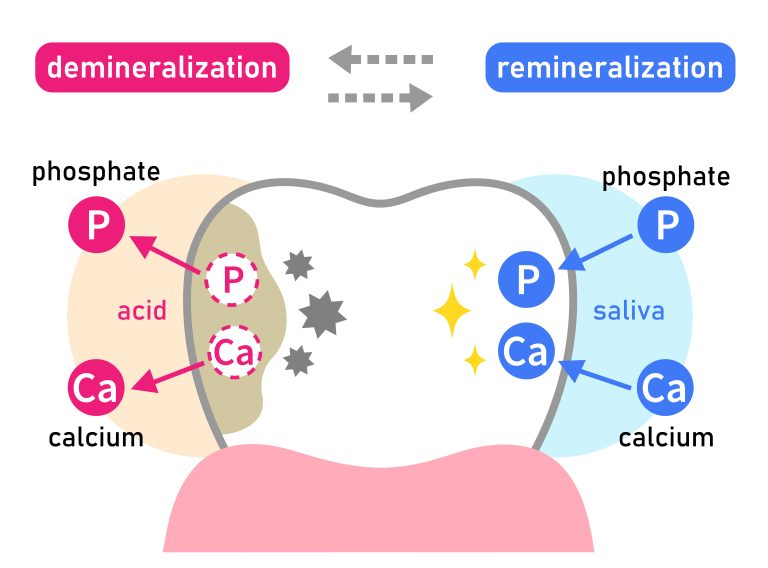
- Lack of Fluoride: Fluoride strengthens enamel and makes teeth more resistant to decay. Limited access to fluoridated water or toothpaste increases the risk of tooth decay.
- Dry Mouth: Reduced saliva flow limits the mouth’s ability to neutralize acids and wash away food particles, allowing enamel decay on front teeth or molars to progress.
- Prolonged Bottle Feeding: Allowing a child to sleep with a bottle containing sugary liquids can cause severe baby bottle tooth decay, leading to decay in multiple teeth.

Which children are at risk for tooth decay?
The following factors may raise your child’s risk for tooth decay, and it is important to minimize or eliminate them whenever possible:
- High levels of the bacteria that cause cavities;
- A diet high in sugars and starches;
- Water supply that has limited or no fluoride in it;
- Poor oral hygiene;
- Less saliva flow than normal.
Symptoms of Tooth Decay in Children
Parents must understand when to take baby to dentist to prevent early problems. Early detection is key, so it’s important for parents to watch for these common symptoms of tooth decay in children:
- White Spots on Teeth: Early decay may appear as chalky white spots where enamel begins to break down.
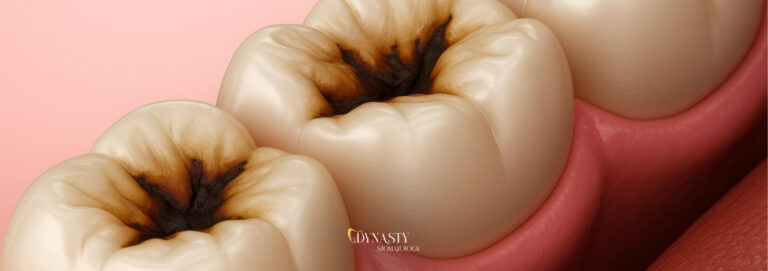
- Brown or Black Spots: Advanced decay leads to discoloration.
- Sensitivity: Children may experience discomfort when eating sweets or consuming hot or cold beverages.
- Pain: Severe decay can expose the nerves, causing toothaches.
- Visible Holes: Cavities may appear as small pits or holes in the teeth.
Dentists can explain the types of tooth decay to guide proper care. Understanding tooth decay stages helps parents recognize early warning signs.

How Is Tooth Decay Diagnosed?
To properly address tooth decay in children, a pediatric dentist uses several methods to assess the condition:
- Oral Examination: A visual check of the teeth and gums for signs of decay.
- X-Rays: Dental X-rays help identify hidden cavities and the extent of decay.
- Medical History: Understanding your child’s diet, oral hygiene habits, and medical background provides additional insights, as all cases are individual.
Treatment Options for Tooth Decay in Children
The treatment for tooth decay in children depends on the stage of the cavity and is chosen individually by a pediatric dentist. Depending on severity, the following methods may be used:
- Fluoride Treatments: Fluoride strengthens enamel and can reverse early decay.
- Dental Fillings: For moderate cavities, the decayed part of the tooth is removed and replaced with a filling. In some cases, tooth decay filling front teeth is necessary to restore function and appearance. If decay reaches the inside of the tooth, more intensive treatment may be required.
- Direct Restorations: Materials like resin or amalgam are applied in a single visit.
- Indirect Restorations: Crowns or inlays, requiring multiple visits, may be used for severe decay.
- Dental Sealants: A protective coating applied to the chewing surfaces of molars to prevent decay.
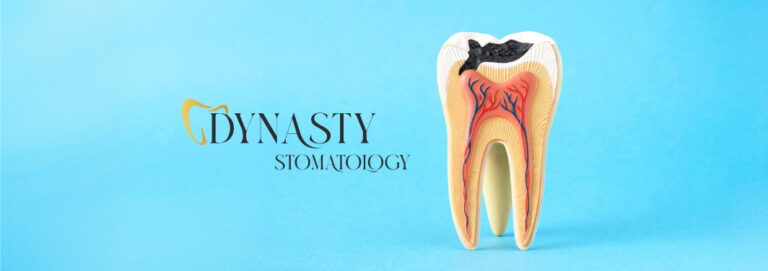
- Pulp Therapy: If decay reaches the tooth’s nerve, a pulpotomy or root canal may be needed to save the tooth.
Ask your pediatric dentist if early signs of decay can be treated before they worsen, as can tooth decay be reversed with fluoride or sealants in many cases.
Prevention Tips for Tooth Decay in Children
To help prevent tooth decay in children, it’s important to follow consistent dental care routines and healthy habits from an early age. The following practices can protect teeth and reduce the risk of cavities:
1. Start Early Oral Hygiene Practices:
- Begin cleaning your baby’s gums with a damp cloth before teeth appear.
- Once the first tooth appears, use a soft-bristled toothbrush and a smear of fluoride toothpaste.
- By age 3, increase the toothpaste amount to a pea-sized dab.
2. Encourage Proper Brushing and Flossing:
- Brush twice a day for at least two minutes.
- Floss daily to remove plaque between teeth.
- Supervise your child’s brushing until they can do it effectively on their own, usually around age 8.
3. Limit Sugary Foods and Drinks:
- Avoid snacks like candy, cookies, and sugary beverages.
- Opt for tooth-friendly snacks like cheese, nuts, and crunchy fruits and vegetables.
- Encourage drinking water throughout the day to rinse away food particles.
4. Use Fluoride:
- Choose fluoridated toothpaste and mouthwash (age-appropriate).
- Consider fluoride treatments at the dentist’s office.
- Ensure your child drinks fluoridated tap water if available in your area.
5. Avoid Sharing Utensils:
- Do not share eating utensils or clean pacifiers with your saliva, as this can transfer cavity-causing bacteria.
6. Regular Dental Checkups:
- Schedule visits to a trusted pediatric dentist every six months for professional cleanings and exams.
- Discuss sealants and fluoride treatments with your dentist.
Parents should follow proper brushing routines and limit sugary snacks to learn how to control tooth decay effectively.
Preventing tooth decay in children is far easier than treating it later, which is why proper dental care for children and regular dental visits are essential. By monitoring early signs of tooth decay, using foods to avoid tooth decay, and establishing routines to control tooth decay, parents can significantly reduce the risk of decay and protect permanent teeth.
If tooth decay occurs despite precautions, timely dental treatment is crucial, since untreated cavity tooth decay or gumline tooth decay can damage layers of the tooth, affect the inner pulp of the tooth, and disrupt proper bite development.
A proper choice of pediatric dental specialist and timely consultation with my kids dentist from the moment the first baby tooth appears ensures early detection and treatment, allowing you to cure decay on teeth before more serious dental problems develop.

Treating tooth decay in children – Conclusion
Proper treatment of tooth decay in children starts with understanding what causes tooth decay? and recognizing when should a child be taken for care. Parents are advised to know when should baby go to dentist, as early detection is critical. A skilled dentist may recommend personalized care, and it is always best to see the dentist regularly and choose a pediatric dentist who understands the unique needs of children. Timely intervention is important because tooth decay can lead to pain, infection, and complications with permanent teeth.
Visit our clinic in the Czech Republic, where experienced baby dentist specialists provide gentle, painless tooth decay treatment tailored to the unique needs of children. From the first dental visit, we focus on how to get rid of decay on teeth, helping parents control tooth decay and protect oral health. Our team ensures that children have a dental experience that is safe, comfortable, and effective.
FAQ
-
How can I prevent tooth decay in my toddler?
Start early dental care for kids, limit sugary snacks, and how to protect teeth from decay with proper brushing and fluoride. A trusted dentist for your child can provide guidance on prevention and treatment of cavities.
-
What are the early signs of tooth decay in children?
Look for stages of tooth decay white spots on teeth, sensitivity, or small holes on the outer surface of the tooth. For existing cavities, a pediatric dentist will explain how to cure tooth decay using fillings or other treatments.
-
How often should my child visit the dentist?
It’s recommended that children visit the dentist every six months for checkups and preventive care. It’s important for parents to go to the dentist with their child regularly to monitor oral health.
-
Can fluoride toothpaste help reverse early tooth decay?
Fluoride toothpaste can help cure early tooth decay while supporting ongoing dental care for kids.
-
At what age should children first be screened for tooth decay?
Screening should start soon as the first tooth appears, typically during the first dentist visit age.
-
Can baby teeth with cavities affect the growth of permanent teeth?
Yes, decay in baby teeth can lead to tooth decay or misalignment of permanent teeth.
-
What are the risks if a child’s tooth decay is left untreated?
Untreated dental decay can spread, cause pain, infections, or require root canal treatment later.
-
Is tooth decay in children linked to overall health problems?
Yes, tooth decay is caused by bacteria that may affect nutrition and overall oral health.
-
Are dental sealants safe and effective for young children?
Yes, treatment with sealants is effective in protecting from tooth decay on side of molar.
-
How can parents make dental visits less stressful for kids?
Choose a trusted pediatric dentist, prepare the toddler ahead, and maintain a positive attitude.
-
Do genetics play a role in a child’s risk of developing cavities?
Yes, genetics can influence why does teeth decay by affecting enamel strength, saliva composition, and susceptibility to dental decay.
-
Can pacifier use or thumb sucking increase the risk of tooth decay?
Prolonged use can promote cavity tooth decay or gumline issues.
-
How does diet during pregnancy affect a child’s future dental health?
Poor maternal nutrition can impact enamel formation and tooth decay may occur earlier in children. Maintaining a balanced tooth decay diet low in sugar helps prevent further damage.
-
What are the most common myths about children’s tooth decay parents should avoid?
Parents should know that children don’t outgrow decay teeth naturally and how do tooth decay occur should be addressed early. Even later, monitoring wisdom tooth decay is important for oral health.


Do you want to treat your teeth while you sleep?
Schedule an appointment!
By clicking the button, you give your agreet your personal data in accordance with privacy policy.
Services related to this topic
All services-
Milk teeth removal in Prague
It is not always possible to save baby teeth, sometimes they need to be removed to form a correct bite and a healthy smile of the child. In Prague,...
To the service -
Dental hygiene for children with training
Children’s dental hygiene and training in proper home care is about taking care of oral health from an early age. Dynasty Stomatology in Prag...
To the service -
Consultation with a pediatric dentist in Prague
Regular visits to a pediatric dentist not only help identify problems at early stages, but also form a positive attitude towards dental care. Durin...
To the service -
Treatment of caries in milk teeth
Many parents mistakenly believe that it is not necessary to treat decayed baby teeth, because they will soon fall out and be replaced by permanent ...
To the service -
Fluoride Treatment for Kids
Dental caries in children develop rapidly, especially if the enamel is weak and hygiene is inadequate. Many parents are faced with the fact that ev...
To the service -
Fissure sealing for children
Fissure sealing in children is one of the most effective ways to protect teeth from decay. Deep natural cavities on the chewing surface often becom...
To the service -
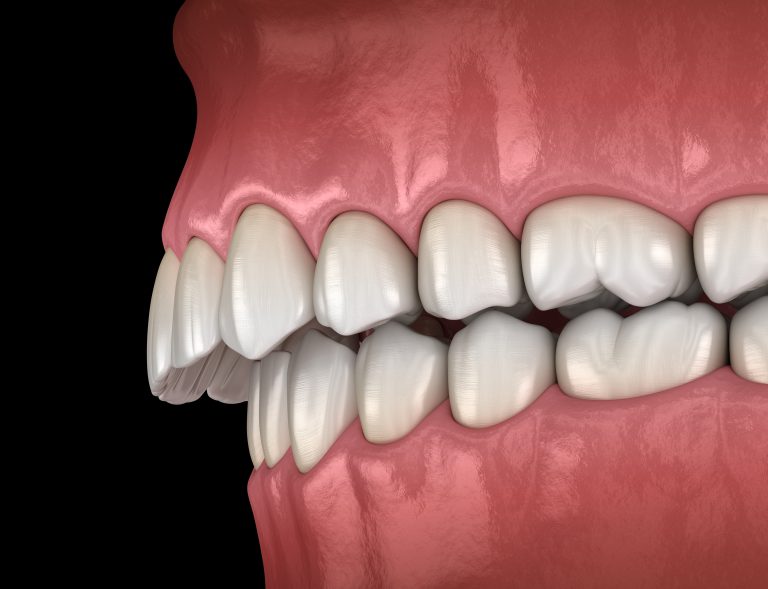
Treatment of malocclusion in children – pediatric orthodontics
Bite treatment in children is one of the key tasks of pediatric orthodontics. Occlusal disorders often occur in childhood and can lead not only to ...
To the service





Read also
View all blog-
07.07.2026
119
13 min. read
Cavity – causes, symptoms and treatments
Most people think of tooth decay as simply a small hole in the tooth that will eventually need to be filled. In fact, it begins much earlier. Month...
Read more -
03.07.2026
135
8 min. read
Dental Pulpitis Treatment — Saving a Tooth From Pain and Loss
Have you ever experienced a sudden, sharp toothache? It might seem like a reaction to something cold or the aftereffects of eating something sweet....
Read more -
02.07.2026
162
12 min. read
How to Fix Tooth Sensitivity – The Complete Guide to Fast Relief and Permanent Solutions
Have you ever felt a sharp pain when taking a sip of hot coffee or eating your favorite ice cream? One day, everything was fine, but the next, your...
Read more -
30.06.2026
163
10 min. read
Endodontic Retreatment – Why Root Canal Treatment Sometimes Needs to Be Repeate
Most people believe that root canal treatment solves the problem forever. In most cases, this is precisely what happens. However, sometimes, after ...
Read more -
08.06.2026
177
9 min. read
What is Oral Thrush – Symptoms, Treatment and Prevention
Have you noticed a white coating on your tongue that doesn’t go away even after brushing your teeth? Or a strange burning sensation in your m...
Read more -
05.06.2026
174
8 min. read
Dental Care For Pregnant Women – What you need to know
Pregnancy affects nearly every part of the body — including teeth and gums. Many women notice bleeding gums, increased sensitivity, or sudden tooth...
Read more -
03.06.2026
268
11 min. read
What to Do After a Wisdom Tooth Extraction – a Guide to Healing and Care
Going to the dentist to have a wisdom tooth removed often brings fear and many questions, both before and after. For example, is it normal for my c...
Read more