

Sinus lift: why lift the maxillary sinus before implantation?

10.09.2025
279
9 min. read
Why Patients Trust Dynasty Stomatology
The trust in Dynasty Stomatology is built on a combination of many years of experience and an individual approach to every patient. We understand that a visit to the dentist is often accompanied by anxiety, so we place special emphasis on creating a comfortable and calm atmosphere where every patient feels safe.
The clinic is equipped with modern technology and uses advanced treatment methods, ensuring that procedures are carried out with maximum precision, efficiency, and comfort. All materials undergo strict quality control, and our doctors regularly improve their qualifications to offer only the most up-to-date and proven techniques.
In addition, Dynasty Stomatology values long-term relationships with patients. Our goal is not only to solve the problem at hand but also to maintain the health of teeth and gums for years to come. Openness, honesty, and transparency are the key principles that have earned the clinic its reputation as a reliable dental partner.
Facts about Dynasty Stomatology:
✅ Over 10 years of successful work in dentistry.
✅ Hundreds of positive reviews from patients in Poland and abroad.
✅ We use premium materials from leading global brands.
✅ We offer treatment under sedation and general anesthesia.
✅ A full range of services — from pediatric dentistry to complex surgical operations.
Dynasty Stomatology — trust, expertise, reliability, and care for the beauty of your smile.
Learn about usMedical Expertise
Dynasty Stomatology’s doctors conduct medical reviews of all materials on the website to ensure their accuracy and practical value. Our authors and editors are experienced specialists in the fields of therapeutic, surgical, orthopedic, and pediatric dentistry. This approach allows us to maintain high professional standards and provide our readers with only verified, up-to-date, and useful information.
Many patients dream of restoring a complete smile with dental implants, but sometimes the upper jaw presents unique challenges. One of the most common obstacles is the lack of sufficient bone in the back of the mouth, which can make implant placement more difficult. Modern dentistry offers a reliable solution to this problem, ensuring stability and long-term success of implants. Let’s explore why this step is often necessary before moving forward with treatment.
What Is a Sinus Lift / Sinus Augmentation?
A sinus lift, also known as sinus augmentation, is a specialized surgical procedure performed by a sinus lift dentist to prepare the upper jaw for dental implants. The maxillary sinus lies just above the area of the upper back teeth (molars and premolars). When there is not enough bone in this region due to tooth loss, bone loss, or natural sinus anatomy, a sinus lift is needed to create a stable foundation for implants.
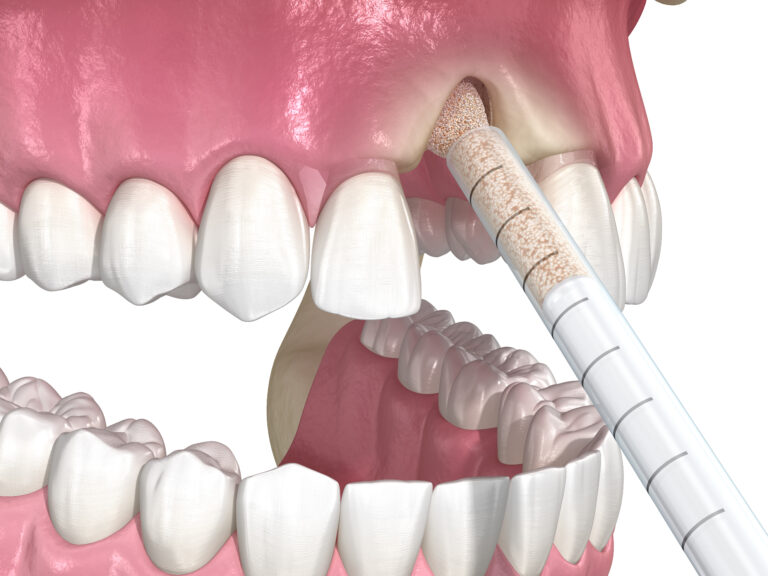
During the sinus lift procedure, the surgeon carefully makes an incision in the gum to access the sinus floor. The sinus membrane is gently elevated upward to make room for the bone. Then, bone graft material is placed into this space, stimulating the growth of new bone over time. This added bone ensures that dental implants in the upper jaw can be securely placed without the risk of implant penetration into the sinus cavity.

There are different sinus lift types, including the closed sinus lift (a less invasive option) and the open technique, chosen depending on the complexity of the procedure and the amount of bone available. While patients may worry and ask “is a sinus lift painful?”, modern anesthesia and gentle techniques make the surgery more comfortable than many expect.
In short, if you have been told you need a sinus lift or are considering dental implants but don’t have enough bone in the upper jaw, this procedure may be essential. By ensuring proper bone for the surgery, a tooth implant sinus lift greatly improves the success and stability of your implant treatment.
Why You Might Need a Sinus Lift
ot every patient considering dental implant placement in the upper jaw will automatically need this additional step. However, there are situations when a sinus lift is necessary to create the right conditions for long-term implant stability. The jaw and sinus are closely related in this area, and if there isn’t enough bone or the maxillary sinus floor is positioned too low, implants may not hold securely. In such cases, your dentist may recommend a sinus lift surgery to add bone and provide the support required for implants in your upper jaw.
Here are the most common reasons why you may need a sinus lift:
- Thin jawbone – The upper jaw is naturally thinner than the lower jaw.
- Sinus location – The sinuses are naturally positioned too close to the upper jaw, leaving insufficient space for implants.
- Bone loss – The bone begins to resort, or shrink, after tooth loss, which can lower the amount of bone that is accessible for implant insertion.
- Bone quality – Even if there is enough bone height, the bone quality may not be sufficient to support the implant.
The decision whether a sinus lift is needed for dental implants depends on many factors, including the types of bone available and overall oral health. Ultimately, the sinus lift dentist will determine if a sinus lift procedure is required only after a thorough examination and diagnostic imaging.
What Happens Before, During, and After a Sinus Lift?
When preparing for a dental sinus lift, your dentist carefully plans every step to ensure safety and long-term success of the treatment. This includes evaluating the jaw and the sinus, checking for one or more missing teeth, and determining the type of bone graft that will be used in sinus augmentation. The choice of bone used in sinus augmentation plays a crucial role in how well the graft integrates and supports future implants.
Before a Sinus Lift
Some of the common types of bone used in sinus augmentation include:
- An autogenous bone – usually taken from an area of your mouth, this type of graft is your own natural bone and integrates predictably.
- A synthetic bone-like material – a biocompatible substitute that safely mimics natural bone and helps stimulate new growth.
During the Procedure
A sinus lift is a dental surgical procedure designed to prepare the maxillary sinus floor for implant placement. Some of the basic steps include:
- Receiving intravenous or oral sedatives to numb the area and keep you as comfortable as possible during the procedure.
- Incisions on the back parts of your gum tissue to expose the bone.
- Cut a small area of the bone while taking necessary precautions not to cut the sinus membranes.
- Lift the cut portion of the bone up into the sinus cavity to raise the membrane (sinus membrane elevation).
- Apply bone graft materials on the lifted area before applying sutures to close the incisions in your gums.
In most cases, the surgery is performed on an outpatient basis, meaning you can go home the same day. Patients often wonder, “how long does sinus lift surgery take?” — typically the procedure lasts between 60 and 90 minutes, depending on the complexity and the amount of bone to your upper jaw required.
While the operation is generally safe, there is a small risk of sinus membrane perforation or other sinus lift complications, but these are uncommon when performed by an experienced dentist. Following the procedure, you may experience minor swelling in the face, but this usually lasts only a few days. Proper sinus lift aftercare and carefully following post sinus lift instructions are essential for smooth healing and reducing the chance of any complication.

After the Surgery
Recovery after sinus lift surgery is a gradual process that usually lasts a few days to a couple of weeks, depending on individual healing and the complexity of the procedure. During this period, careful dental care and following your doctor’s advice are essential for a smooth outcome.
Your doctor may recommend that you:
- Don’t smoke as this impairs your healing time.
- Avoid brushing teeth for a specific time to prevent dislodging clots.
- Avoid vigorous blowing of nose and sneezing.
- Do not use a straw as this may dislodge clots.
- Take antibiotics to prevent infections.
- Take pain relievers to relieve discomfort.
Most patients notice some swelling in the face and minor discomfort after sinus lift surgery, but this usually lasts a few days. Proper sinus lift aftercare and carefully following instructions reduce the risk of infection or other issues. It’s also important to attend follow-up visits so your dentist can monitor healing and prepare for the next step — dental implant with sinus lift recovery.
Benefits of Sinus Lift Surgery
A maxillary sinus lift is often the key step that makes dental implant placement possible when the upper jaw lacks sufficient bone. Patients who require a sinus lift can expect several life-changing benefits once healing and sinus lift surgery recovery are complete:
- Stronger jawbone – By adding bone through maxillary sinus floor augmentation, the jaw becomes stronger and more stable for future implants.
- Ability to receive dental implants – A sinus lift may be necessary when implants would otherwise be unsuitable for an implant due to bone loss.
- Restored smile – With implants placed securely, patients regain confidence and improved appearance in before and after sinus lift procedure comparisons.
- Full set of natural-looking teeth – The procedure makes it possible to replace one or more missing teeth with durable, realistic-looking restorations.
- Long-lasting results – Once healed, the new bone can support implants for decades, providing stability and reliability over the long term.
Ultimately, while patients may ask “sinus lift est-ce douloureux?”, the benefits of undergoing this procedure far outweigh temporary discomfort, making it an essential solution for many people seeking a complete and functional smile.
When You Need a Sinus Lift
A sinus lift is usually required if the upper jaw’s bone height is less than 4–6 millimeters. There are specific situations when a sinus lift is necessary:
- Loss of bone – If you have experienced significant bone loss as a result of gum disease or long-term tooth loss, implants may not have sufficient support without extra bone.
- High sinus floor – If your sinus floor is naturally positioned low, making it impossible to place implants without adding more bone.
- Multiple implants – To ensure that multiple implants in the upper jaw are successful and long-lasting, it is important to make sure there is sufficient bone support.
In some cases, your dentist may also recommend the procedure if you need a sinus lift due to trauma, anatomical variation, or previous unsuccessful implant attempts. Evaluating what is sinus lift for dental implants and why is a sinus lift needed will always depend on your unique bone structure, overall oral health, and treatment goals.
It is also worth noting that patients often ask about the sinus lift cost, which may vary depending on the complexity of the case, the source of the bone, and the number of implants planned. Ultimately, the necessity and timing of the procedure are determined individually after a thorough clinical exam and imaging.
In cases where a sinus lift is not suitable due to medical conditions, severe bone loss, or patient preference, there are alternative options to support dental implants. One common approach is the use of short or zygomatic implants, which can be anchored in denser bone areas and avoid the need for sinus augmentation.
Another option is bone grafting in other regions of the jaw, or combining minor grafts with angled implants to bypass areas with insufficient bone. Your dentist will evaluate your oral anatomy and discuss these alternatives if a sinus lift may not be necessary or feasible, ensuring that implant treatment can still proceed safely and effectively.
Sinus lift – Conclusion
A sinus lift is a proven and reliable procedure that allows patients to receive implants even when the upper jaw has lost significant bone support. By carefully elevating the area known as a maxillary sinus and placing graft material, dentists create a stable foundation for long-lasting implant success. For many, this treatment is the difference between being told they are unsuitable for an implant and achieving a confident, restored smile.
While the cost of sinus surgery and recovery time may vary, most patients return to normal activities within a week after the procedure. Following proper aftercare ensures safe healing and minimizes the risk that infection could spread to the bone.
Ultimately, if you have been told you need sinus lift surgery, it is an important step that makes future implant treatment both possible and predictable. With modern techniques and careful planning, the results — both functional and aesthetic — are well worth it, as shown in many sinus lift before and after face transformations.
FAQ
-
How Long Does It Take for a Sinus Lift to Heal Completely?
Healing after a sinus lift generally takes several months, as the bone used in sinus augmentation needs time to integrate and form a solid foundation for dental implants. Most patients notice swelling and minor discomfort for a week after the procedure, while complete bone healing may take 4-9 months depending on individual factors.
-
How Much Does a Sinus Lift Cost?
The cost of a sinus lift varies based on the complexity of the procedure, the type of bone graft material, and the number of implants planned. Additional factors, such as the need for advanced imaging or sedation, may also affect pricing, so your dentist will provide an individualized estimate.
-
Are There Risks with Sinus Lift Surgery?
Like any surgical procedure, a sinus lift carries some risks. Potential complications include sinus membrane perforation, infection, or issues with graft integration. However, when performed by an experienced sinus lift dentist, the procedure is generally safe, and most patients experience only minor, temporary swelling.
-
How Painful is a Sinus Lift?
Many patients ask if a sinus lift is painful. Modern techniques with sedation and local anesthesia minimize discomfort during the surgery. Postoperative pain is usually mild and manageable with prescribed pain relievers, and any swelling typically lasts a few days.
-
How Complicated is a Sinus Lift?
The complexity of a sinus lift depends on factors such as the amount of bone to your upper jaw, the position of the maxillary sinus, and whether multiple implants are planned. Your dentist will evaluate your oral health and bone structure to determine whether a sinus lift is necessary and which technique is most appropriate.
-
Will a Sinus Lift Change Facial Appearance?
A sinus lift does not significantly alter the facial structure. Its main goal is to create enough bone to support implants and restore a natural-looking smile. In some cases, restoring missing teeth with implants can subtly improve facial fullness, but the procedure itself is focused on bone augmentation rather than cosmetic change.


Do you want to treat your teeth while you sleep?
Schedule an appointment!
By clicking the button, you give your agreet your personal data in accordance with privacy policy.
Services related to this topic
All services-
Removal of a dental cyst
A tooth cyst is a fairly common dental problem that often develops without symptoms and remains unnoticed for a long time. It is characterized by a...
To the service -
Tooth extraction
Tooth extraction is a necessary dental procedure often required when a tooth cannot be preserved. Extraction may be needed due to severe tooth dama...
To the service -
Removal of a Retained Wisdom Tooth
A retained wisdom tooth (also called an “impacted tooth”) is one that remains partially or fully trapped in the gum or jawbone and cann...
To the service -
Sinus-lift
Sinus lift in dentistry is a surgical procedure aimed at restoring bone volume in the upper jaw. It becomes necessary when the bone has thinned or ...
To the service -
Bone grafting
Bone grafting in dentistry is a surgical procedure aimed at restoring the volume of the jaw bone required for dental implantation or correcting def...
To the service -
Autotransplantation teeth
Autotransplantation in dental practice is a treatment method where a patient’s own tooth is transplanted from one area of the jaw to another. This ...
To the service


Read also
View all blog-
07.07.2026
118
13 min. read
Cavity – causes, symptoms and treatments
Most people think of tooth decay as simply a small hole in the tooth that will eventually need to be filled. In fact, it begins much earlier. Month...
Read more -
03.07.2026
134
8 min. read
Dental Pulpitis Treatment — Saving a Tooth From Pain and Loss
Have you ever experienced a sudden, sharp toothache? It might seem like a reaction to something cold or the aftereffects of eating something sweet....
Read more -
02.07.2026
161
12 min. read
How to Fix Tooth Sensitivity – The Complete Guide to Fast Relief and Permanent Solutions
Have you ever felt a sharp pain when taking a sip of hot coffee or eating your favorite ice cream? One day, everything was fine, but the next, your...
Read more -
30.06.2026
162
10 min. read
Endodontic Retreatment – Why Root Canal Treatment Sometimes Needs to Be Repeate
Most people believe that root canal treatment solves the problem forever. In most cases, this is precisely what happens. However, sometimes, after ...
Read more -
08.06.2026
176
9 min. read
What is Oral Thrush – Symptoms, Treatment and Prevention
Have you noticed a white coating on your tongue that doesn’t go away even after brushing your teeth? Or a strange burning sensation in your m...
Read more -
05.06.2026
173
8 min. read
Dental Care For Pregnant Women – What you need to know
Pregnancy affects nearly every part of the body — including teeth and gums. Many women notice bleeding gums, increased sensitivity, or sudden tooth...
Read more -
03.06.2026
267
11 min. read
What to Do After a Wisdom Tooth Extraction – a Guide to Healing and Care
Going to the dentist to have a wisdom tooth removed often brings fear and many questions, both before and after. For example, is it normal for my c...
Read more