

Dental treatment under sedation – when fear should not interfere with treatment


02.12.2025
247
7 min. read
Why Patients Trust Dynasty Stomatology
The trust in Dynasty Stomatology is built on a combination of many years of experience and an individual approach to every patient. We understand that a visit to the dentist is often accompanied by anxiety, so we place special emphasis on creating a comfortable and calm atmosphere where every patient feels safe.
The clinic is equipped with modern technology and uses advanced treatment methods, ensuring that procedures are carried out with maximum precision, efficiency, and comfort. All materials undergo strict quality control, and our doctors regularly improve their qualifications to offer only the most up-to-date and proven techniques.
In addition, Dynasty Stomatology values long-term relationships with patients. Our goal is not only to solve the problem at hand but also to maintain the health of teeth and gums for years to come. Openness, honesty, and transparency are the key principles that have earned the clinic its reputation as a reliable dental partner.
Facts about Dynasty Stomatology:
✅ Over 10 years of successful work in dentistry.
✅ Hundreds of positive reviews from patients in Poland and abroad.
✅ We use premium materials from leading global brands.
✅ We offer treatment under sedation and general anesthesia.
✅ A full range of services — from pediatric dentistry to complex surgical operations.
Dynasty Stomatology — trust, expertise, reliability, and care for the beauty of your smile.
Learn about usMedical Expertise
Dynasty Stomatology’s doctors conduct medical reviews of all materials on the website to ensure their accuracy and practical value. Our authors and editors are experienced specialists in the fields of therapeutic, surgical, orthopedic, and pediatric dentistry. This approach allows us to maintain high professional standards and provide our readers with only verified, up-to-date, and useful information.
Many people postpone visiting the dentist simply because of fear or anxiety. For some, even the sound of dental instruments can cause stress — and that often leads to delayed treatment and worsening dental problems.
Modern dentistry offers a gentle solution for such cases: treatment under sedation. This approach allows patients to stay calm and comfortable throughout the procedure, ensuring that fear doesn’t stand in the way of a healthy smile.
With the help of conscious sedation, dental care becomes a stress-free experience — safe, effective, and suitable for both adults and children who struggle with dental anxiety or have a strong gag reflex.
What Is Sleep Dentistry?
Sleep dentistry, also known as sedation dentistry is a safe and effective way to help patients stay calm and relaxed during necessary dental care. It involves using special sedation medications that create a state of deep relaxation while you remain awake and responsive. This makes even complex dental procedures feel easier and stress-free.
The level of sedation can vary — from light to deep — depending on the procedure and your comfort level. Many patients describe the conscious sedation experience as peaceful and calming, with little or no memory of the treatment afterward.
General dental visits may include light sedation for those with dental fear. Your dentist may recommend dental sedation if you have:
- Fear of dental treatment or severe dental anxiety.
- Fear of needles that makes you anxious about numbing injections.
- A strong or very sensitive gag reflex.
- Very sensitive teeth.
- Claustrophobia that makes it hard to relax in the dental chair.
- Difficulty controlling movements during a dental procedure.
- Physical, behavioral, or cognitive conditions that make it difficult to stay relaxed during undergoing dental treatment.
With conscious sedation in dentistry, even patients who once avoided the dentist can comfortably receive the necessary dental care they need for better oral health.
Different Forms of Sedation
Many patients ask, what is dental sedation, and how it can help reduce anxiety during treatment. There are several types of dental sedation, each designed to make your dental visit calm and comfortable. The right sedation method depends on your level of dental anxiety, overall health, and the type of dental work you’re undergoing. Here are the most common options used in sedation dentistry:
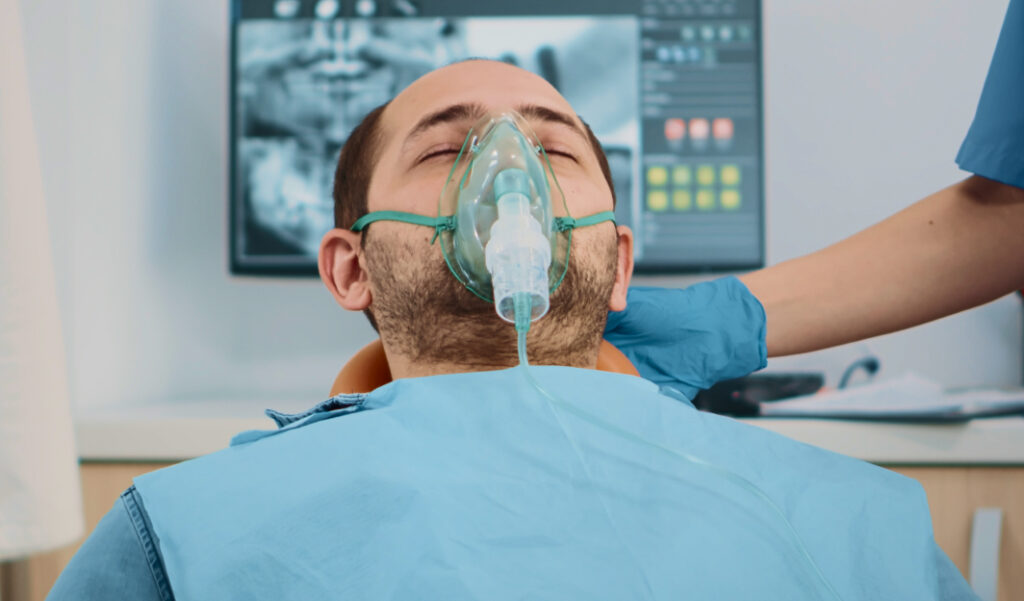
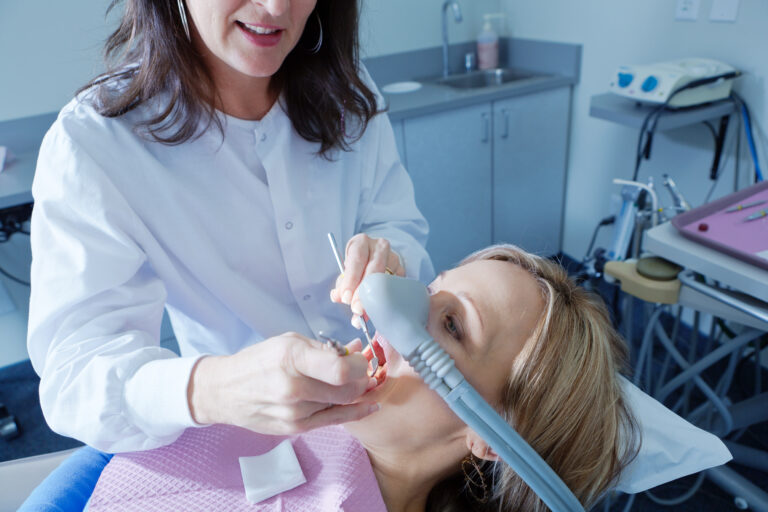
- Inhalation sedation, also known as laughing gas or nitrous oxide sedation, helps you feel relaxed during dental procedures while staying fully awake. This form of minimal sedation works quickly and wears off soon after treatment, allowing you to safely drive home afterward. This method, sometimes called conscious sedation, allows patients to remain relaxed yet responsive.
- Oral sedation, used in oral sedation dentistry, involves taking oral sedatives in the form of a pill or liquid before your appointment. This type of sedation reduces fear and anxiety and helps patients stay relaxed during necessary dental care. Depending on the sedation drugs used, you may feel drowsy but remain responsive.
- Intravenous (IV) sedation, or IV sedation dentistry, involves administering sedation medication directly into your bloodstream for a deeper level of relaxation. With this conscious sedation dentistry technique, patients often have little memory of the procedure. IV sedation dental treatment is especially helpful for longer or more complex cases, such as wisdom teeth sedation or dental implants. Your dentist can explain what is intravenous sedation and when it is recommended.
Each type of sedation has its own depth and duration of effect. The choice between inhalation sedation, oral sedation, and IV sedation depends on the complexity of the dental procedure, the patient’s comfort level, and the dentist’s professional recommendation.
Advantages of Sedation Dentistry
Sedation dentistry helps patients with dental anxiety or fear stay relaxed and comfortable during treatment, making each visit safer and more efficient. Advantages of using sedation in dental practice:
- Decreased discomfort and anxiety — Dental conscious sedation helps patients remain calm.
- Improved pain tolerance — Sedation for dental work lowers pain sensitivity during complex procedures.
- Efficiency in terms of time — Relaxed patients allow dentists to complete more in one visit.
- Improved safety — Intravenous sedation is performed under professional supervision.
- Better dental experience — A calm dental experience helps overcome dental phobia and maintain good oral health.
According to the dental association, sedation dentistry is a recognized method for managing anxiety. For patients with severe dental fear, iv sedation offers comfort and relaxation.

Disadvantages of Sedation Dentistry
Patients often ask what is sedation dentistry and whether this method has any downsides. Let’s look at the main ones:
- Risk of complications — Though rare, some sedation side effects such as mild nausea or drowsiness can occur, especially after deep sedation.
- Extra expense — Dental IV sedation or twilight dentistry may cost more than standard local anesthesia.
- Recovery period — It can take a few hours for sedation to wear off, depending on the type of sedation used.
- Loss of control — During IV sedation dentistry, you may feel sleepy or forget parts of the dental procedure, though you remain monitored by a sedation dentist.
- Restricted suitability — Not all patients qualify; those with certain medical conditions require an individual assessment at the dental clinic.
Overall, sedation dentistry may involve some limitations, but under professional supervision, it remains a safe and highly effective method for patients with dental anxiety.
Sedation Dentistry May Be for You If
If you’re delaying dental care due to fear, sedation dentistry may make treatment manageable.
For some patients, sedation can help overcome dental anxiety or make complex procedures more comfortable:
- You don’t want to be aware during a procedure — IV sedation is ideal.
- You want to relax a little — light sedation or “laughing gas” works well.
- The procedure is invasive or unpleasant, like a complex extraction.
Limitations of Sedation in Dentistry
Sedation dentistry may not be for you if:
- Control and trust are a major issue for you.
- You would benefit from a gentle approach, being talked through procedures, going at your pace, and using stop signals.
- You’re worried sedation will interfere with your judgment or your ability to communicate concerns to your dentist.

What Are the Potential Benefits and Risks of This Treatment
Some patients may benefit from pure sedation, which provides deep relaxation during dental procedures. Sedation dentistry may:
- Make it possible for you to get the dental care you need, even if you have severe dental anxiety or other issues that cause you to avoid treatment.
- Cut back on the number of appointments you need. Your dentist can work more quickly when you’re calm and comfortable.
Sedation Side Effects
Even though sedation is generally safe, there is still a risk of side effects:
- The medication used in sedation dentistry may cause side effects;
- A bruise on your arm from the IV;
- Dry mouth;
- Drowsiness that lasts for a long time;
- Headaches;
- Nausea and vomiting.
It’s important to discuss with your iv sedation dentist what to expect and how long sedation wears off to minimize risks and ensure a safe dental experience.
Children may experience different kinds of side effects during sedation dentistry, including:
- Fever – mild increase in body temperature after sedation.
- Irritability – temporary fussiness or restlessness.
- Nausea and vomiting – common reactions to sedation medications.
- Snoring – due to relaxation of airway muscles during sedation at dentist.
Sleep Dentistry – Conclusion
Sedation dentistry provides a reliable way to manage dental fear and anxiety during complex or lengthy dental treatment using modern techniques. Understanding how does sedation work and what does sedation feel like helps patients feel more confident and prepared, while knowing how long does sedation take to wear off ensures a safe recovery.
With experienced professionals and proper protocols, sedation can help patients access necessary care comfortably and effectively, making visits to the dental office less stressful and more predictable.
Visit our dental clinic in the Czech Republic for professional sedation dentistry, including iv sedation dentistry when needed. Our experienced team will answer all your questions and provide individualized care. Whether you require a sedative filling, restorative dentistry, or sedation for wisdom teeth, we ensure comfort, safety, and a calm experience. We tailor the depth of sedation to your needs, explain what does iv sedation feel like, and guide you through iv sedation dentistry what to expect, making your visit stress-free and effective.
FAQ
-
Do I need to do anything before my treatment?
Many people search for sedation meaning to learn how dental sedation works and what to expect. Your dentist will guide you on types of sedation dentistry, including what is conscious sedation, and explain the necessary preparation steps.
-
What happens during sedation dentistry?
During sedation dentistry, you remain calm and relaxed while the dentist performs the procedure safely.
-
Do dentists ever use general anesthesia?
Yes, some cases require sedation or general anesthesia in dentistry for more complex or invasive procedures.
-
Can I have sedation dentistry if I’m pregnant?
Your dentist will assess risks carefully, as anxiety during dental treatment must be managed safely.
-
How long does the effect of dental sedation last after the procedure?
The duration depends on method and dose; how long does it take for sedation to wear off varies individually.
-
Is sedation dentistry safe for elderly patients?
Yes, with proper evaluation, types of sedation anesthesia can be safely adapted for older adults.
-
Can I drive home after undergoing sedation dentistry?
No, after iv sedation wisdom teeth or other IV sedation, someone else should drive you home.
-
How do I know which type of sedation is right for me?
A dentist will help select the best type of sedation for surgery or other procedures based on your dental anxiety and individual needs. Before your appointment, you may ask what is iv sedation and how it differs from oral or inhalation sedation.
-
Are there any long-term side effects of sedation dentistry?
Long-term effects are rare when treatment is supervised.
-
Can sedation be used for all types of dental procedures?
Most dental procedures can use sedation, and it is especially helpful for patients undergoing complex treatment or those needing treatment for dental anxiety.
-
How does sedation dentistry differ from general anesthesia?
Sedation keeps you relaxed but conscious, whereas general anesthesia in dentistry renders you fully unconscious.
-
What should I tell my dentist before choosing sedation dentistry?
Disclose medical history, medications, and dental anxiety or need to ensure safe treatment planning.
-
Is sleep dentistry covered by dental insurance?
Coverage depends on the provider; discuss specifics with your dentist and insurance company.
-
How soon can I eat or drink after sedation dentistry?
Follow your dentist’s instructions carefully; over sedation may require a longer fasting period.


Do you want to treat your teeth while you sleep?
Schedule an appointment!
By clicking the button, you give your agreet your personal data in accordance with privacy policy.
Services related to this topic
All services-
Dental treatment under mild sedation
If you suffer from dental anxiety during routine visits to the dentist for oral surgery, sedation dentistry is the perfect solution for you. Differ...
To the service -
Dental Treatment under Anesthesia
Local anesthetics are used for the treatment of several dental ailments for people who fear sitting in a dentist’s office. Keeping the above ...
To the service -
Dental Treatment under Sedation
Sedation dentistry is beneficial for people with pain sensitivity, individuals with special needs, strong gag reflexes, pain sensitivity, or those ...
To the service


Read also
View all blog-
07.07.2026
117
13 min. read
Cavity – causes, symptoms and treatments
Most people think of tooth decay as simply a small hole in the tooth that will eventually need to be filled. In fact, it begins much earlier. Month...
Read more -
03.07.2026
134
8 min. read
Dental Pulpitis Treatment — Saving a Tooth From Pain and Loss
Have you ever experienced a sudden, sharp toothache? It might seem like a reaction to something cold or the aftereffects of eating something sweet....
Read more -
02.07.2026
159
12 min. read
How to Fix Tooth Sensitivity – The Complete Guide to Fast Relief and Permanent Solutions
Have you ever felt a sharp pain when taking a sip of hot coffee or eating your favorite ice cream? One day, everything was fine, but the next, your...
Read more -
30.06.2026
162
10 min. read
Endodontic Retreatment – Why Root Canal Treatment Sometimes Needs to Be Repeate
Most people believe that root canal treatment solves the problem forever. In most cases, this is precisely what happens. However, sometimes, after ...
Read more -
08.06.2026
175
9 min. read
What is Oral Thrush – Symptoms, Treatment and Prevention
Have you noticed a white coating on your tongue that doesn’t go away even after brushing your teeth? Or a strange burning sensation in your m...
Read more -
05.06.2026
173
8 min. read
Dental Care For Pregnant Women – What you need to know
Pregnancy affects nearly every part of the body — including teeth and gums. Many women notice bleeding gums, increased sensitivity, or sudden tooth...
Read more -
03.06.2026
267
11 min. read
What to Do After a Wisdom Tooth Extraction – a Guide to Healing and Care
Going to the dentist to have a wisdom tooth removed often brings fear and many questions, both before and after. For example, is it normal for my c...
Read more