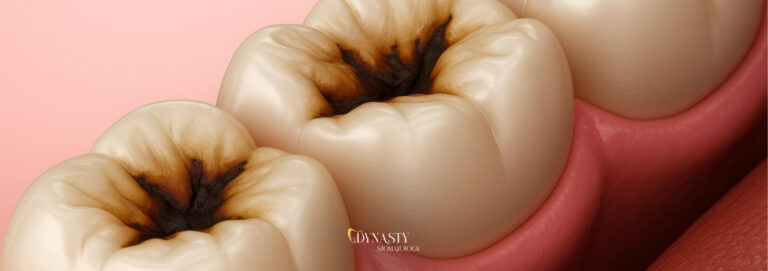


Signs of a Tooth Infection — What To Do About Them


23.12.2025
230
8 min. read
Why Patients Trust Dynasty Stomatology
The trust in Dynasty Stomatology is built on a combination of many years of experience and an individual approach to every patient. We understand that a visit to the dentist is often accompanied by anxiety, so we place special emphasis on creating a comfortable and calm atmosphere where every patient feels safe.
The clinic is equipped with modern technology and uses advanced treatment methods, ensuring that procedures are carried out with maximum precision, efficiency, and comfort. All materials undergo strict quality control, and our doctors regularly improve their qualifications to offer only the most up-to-date and proven techniques.
In addition, Dynasty Stomatology values long-term relationships with patients. Our goal is not only to solve the problem at hand but also to maintain the health of teeth and gums for years to come. Openness, honesty, and transparency are the key principles that have earned the clinic its reputation as a reliable dental partner.
Facts about Dynasty Stomatology:
✅ Over 10 years of successful work in dentistry.
✅ Hundreds of positive reviews from patients in Poland and abroad.
✅ We use premium materials from leading global brands.
✅ We offer treatment under sedation and general anesthesia.
✅ A full range of services — from pediatric dentistry to complex surgical operations.
Dynasty Stomatology — trust, expertise, reliability, and care for the beauty of your smile.
Learn about usMedical Expertise
Dynasty Stomatology’s doctors conduct medical reviews of all materials on the website to ensure their accuracy and practical value. Our authors and editors are experienced specialists in the fields of therapeutic, surgical, orthopedic, and pediatric dentistry. This approach allows us to maintain high professional standards and provide our readers with only verified, up-to-date, and useful information.
A tooth can start hurting at the most inopportune moment. At night. While traveling. Before an important meeting. At first, it seems like a minor thing. Just a tingling sensation, a reaction to hot or cold, mild discomfort when chewing. Many people think at this point, “I’ll just wait it out, it’ll go away on its own.”
But this is often how a tooth infection begins. Without sharp pain, without swelling, without any obvious warning signs. Then the pain intensifies, swelling and fever develop, and the situation requires immediate intervention.
In this article, we’ll take a detailed look at how to recognize an infection. What symptoms of tooth infection shouldn’t be ignored. The dangers of delaying treatment. And which modern treatment options actually help save the tooth and avoid complications.
If you’re unsure whether you should worry, this article will help you figure it out and make the right decision on time.
What Is a Dental Infection and Tooth Abscess?
A dental infection occurs when oral bacteria penetrate deep into the tooth or surrounding structures. This process often leads to inflammation and the formation of an abscess.
An abscess is a localized collection of pus, also known as a pus pocket, that forms when the body fights a bacterial infection.
When the infection penetrates deeper, the condition is known as a dental abscess. A tooth abscess indicates that the infection has reached the tooth’s internal tissues and may continue to spread.
Three Types of Tooth Infections
A tooth infection can start in different tissues and develop in different ways. It may begin as a superficial inflammation of the gums or, more seriously, progress to a deep infection affecting the root and surrounding bone. As a result, the symptoms, the speed of progression, and the approach to treatment can vary significantly.
Dentists classify tooth infections based on their location to identify the source of the problem and choose the most appropriate treatment strategy. Let’s take a closer look at each type:
Gingival infection
The infection affects only the gums. It may manifest as redness, gum swelling, or a small abscess near the tooth.
Periapical infection
A periapical abscess forms at the apex of a tooth’s root. It typically develops when decay or trauma allows bacteria to penetrate the pulp.
Periodontal infection
This type affects the tissues that support the tooth. The gums around the infected tooth and the bone may be affected, increasing the risk of tooth loss.
What Causes a Tooth Infection
A tooth infection occurs when bacteria breach the tooth’s natural defenses and penetrate the inner tissues. Normally, enamel and dentin serve as a reliable barrier, but when they are damaged, bacteria gain direct access to the more vulnerable structures of the tooth.
Main reasons:
- Tooth decay is the most common cause — a form of decay left untreated, in which bacteria gradually destroy tooth tissue.
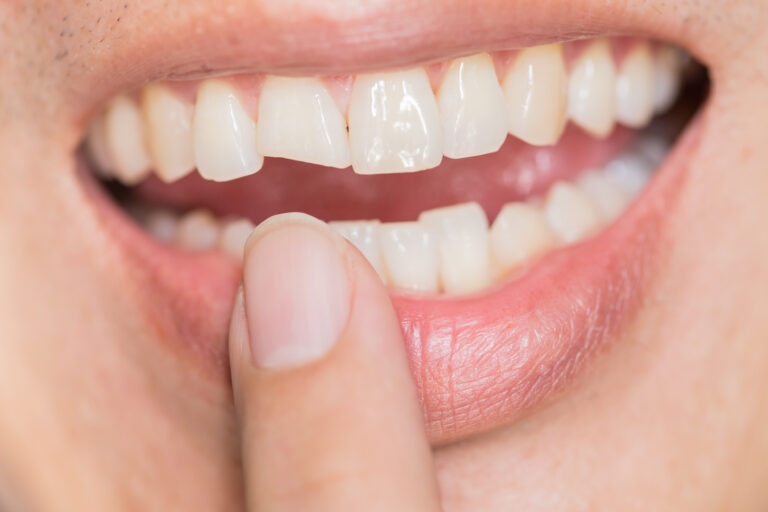
- Cracks, chips, and fractures in the enamel.
- Gum disease, which allows bacteria to spread around the infected tooth.
- Injuries that damage the part of the tooth that protects the pulp.
In many cases, the infection begins slowly and can remain undetected for a long time. Over time, the infection reaches the deep layers of the tooth, causing inflammation, pressure within the tissue, and increasing pain.
What Causes a Tooth Abscess
A dental abscess typically develops when an infection is left untreated. For example, if you have a small cavity or crack in your tooth that was ignored and left untreated, bacteria can penetrate the dental pulp and surrounding tissue, causing inflammation and the formation of an abscess.
The main reasons for abscess formation include:
- Deep carious lesions that gradually destroy the tooth from the inside.
- Broken or cracked teeth, which allow bacteria to easily penetrate.
- Advanced gum disease, which creates a pathway for infection.
- Injuries to the tooth that damage protective tissues and open access for bacteria.

What Are the Symptoms of Tooth Infections and Tooth Abscesses?
Toothaches often begin with mild discomfort. Many people assume it’s temporary and ignore it. However, these early symptoms can be signs of a dental infection. Below, we’ve listed the symptoms of a tooth infection and dental abscess that you should be aware of to ensure timely treatment.
Common symptoms include:
- Tooth sensitivity to hot or cold;
- Pain when chewing or biting;
- Constant toothache or severe toothache;
- Throbbing jaw pain radiating toward the ear;
- Dental swelling or severe facial swelling;
- Swollen gums in the affected area;
- Unpleasant taste due to pus;
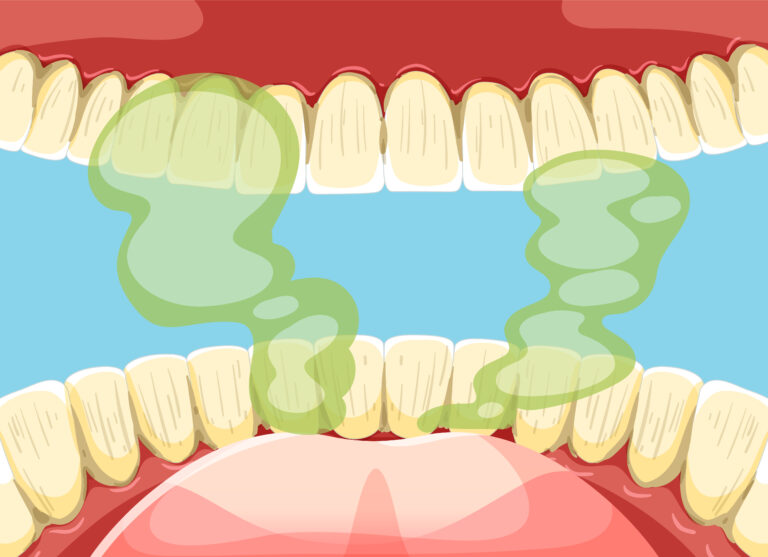
- Chronic bad breath;
- Fever and general malaise;
- Difficulty opening the mouth or swallowing;
- Tender lymph nodes.
If you have any of these symptoms, it is best to make an appointment with a doctor as soon as possible to prevent the spread of the infection.
How Is an Abscessed Tooth Diagnosed?
To choose the right treatment plan, it’s important to understand exactly where the infection is located and how far it has spread. The dentist conducts a proper evaluation, carefully examining the tooth, checking its response to touch and temperature, and using modern diagnostic methods.
What a dentist can do:
- Order a dental X-ray to assess the condition of the roots and bone tissue.
- Recommend a CT scan if the infection has spread beyond the tooth.
- Tap and apply pressure to the teeth to identify the source of pain.
- Conduct temperature tests to check the pulp’s response.
Diagnosis allows the dentist to accurately determine the source of the infection and select the most effective treatment options to cure the tooth and prevent complications.
Effective Treatment Options for Tooth Infection and Tooth Abscess
Once an infection has developed, it’s important to act quickly. Proper treatment helps eliminate the infection, relieve pain, and, if possible, save your tooth. There are several effective treatment options, which your dentist will choose depending on the condition of your tooth and the extent of the infection.
Open and Drain the Tooth Abscess
If pus has already formed, a dentist may need to drain the abscess. This relieves pressure and eases pain.
Prescribe Antibiotics for the Tooth Infection
In some cases, your dentist may prescribe antibiotics. Antibiotics help control the infection and reduce inflammation, especially if dental or facial swelling is present.
Perform Root Canal Treatment
When infection has penetrated the pulp, the optimal solution is root canal treatment or endodontic therapy. During this procedure, the tooth is cleaned, infected tissue is removed, and the tooth is sealed to prevent the infection from spreading. This helps save your tooth and restore its function.
Tooth Extraction
In severe cases where the tooth is severely damaged or the infection has reached too deeply, tooth extraction may be necessary. Tooth extraction prevents further spread of infection and protects the health of adjacent teeth and tissues.
How to Prevent Tooth Infection and Reduce the Risk of Dental Infection
It’s always better to prevent a problem than to deal with a dental infection or abscess later. Good dental hygiene habits can help prevent tooth infections. Below are a few habits that will help you maintain oral health:
- Brush your teeth at least twice a day with a fluoride toothpaste. After brushing, spit out the toothpaste, but don’t rinse your mouth — this helps preserve the fluoride on your enamel.
- Clean between your teeth daily with floss or an interdental brush. These oral hygiene habits prevent bacteria from growing in areas your brush can’t reach.
- Change your toothbrush every 1-3 months to ensure the bristles remain effective and don’t carry bacteria.
- Visit your dentist regularly — seeing a dentist for a routine checkup allows you to detect infections early and prevent complications.
- Don’t use mouthwash immediately after brushing — this washes away the fluoride and reduces the protection your teeth receive.
- Quit smoking. It impairs blood circulation in your gums and increases the risk of tooth infection.
By following these simple rules, you can significantly reduce the risk of tooth infections and protect your teeth for years to come.
Tooth Infection — Conclusion
A dental infection is a problem that can’t be ignored. Left untreated, it can affect tissues beyond the tooth and lead to serious complications for the entire body. It often begins with minor discomfort, but without attention, it quickly develops into a full-blown problem. That’s why timely treatment and understanding the signs and symptoms are so important.
If you suspect a dental infection, don’t delay your visit to the dentist, as prompt treatment helps you get effective treatment and maintain the health of your teeth and gums.
At Dynasty Stomatology, we emphasize early diagnosis and a personalized approach to each patient to identify problems early and prevent complications. Taking care of your teeth today will be an investment in your health for years to come.

Frequently Asked Questions About Tooth Infection, Symptoms, and Treatment Options
-
Frequently Asked Questions About Tooth Infection, Symptoms, and Treatment Options
In most cases, relief comes fairly quickly. Within a few days of starting treatment, pain and pressure subside, even if there was a previous acute toothache. The speed of recovery depends on the severity of the affected tooth and how early treatment began. Tooth infection early is crucial because timely care helps avoid prolonged discomfort and complications.
-
Can a tooth abscess go away by itself?
No, an abscess doesn't go away on its own. Without medical attention, it remains an untreated infection. Over time, tooth infection can lead to serious damage of surrounding tissues and bone.
-
How long can a dental abscess go untreated?
In theory, it can last for a long time, but in practice, it’s dangerous. As time passes, the infection spreads, destroying tissue and bone. Infection can affect areas beyond the tooth, including the jaw and surrounding structures.
-
When should I see a dentist?
You should seek medical attention immediately if you experience pain in your tooth or ongoing discomfort. Even mild symptoms may indicate an underlying infection. It’s important to see a dentist as soon as possible, because treatment as soon as symptoms appear can stop the problem from worsening.
-
How can I reduce my risk for tooth abscesses?
Regular hygiene and timely dental treatment significantly reduce the risk. It's especially important to monitor the condition of your gums to prevent gum abscesses.
-
How can I relieve the pain of a tooth abscess?
How can I relieve the pain of a tooth abscess?
-
Can a tooth infection spread to other parts of the body if it’s not treated promptly?
Yes. If ignored, a tooth infection can spread beyond the mouth and affect overall health. This is why tooth infection is crucial to address as early as possible with professional care.
-
Yes. If ignored, a tooth infection can spread beyond the mouth and affect overall health. This is why tooth infection is crucial to address as early as possible with professional care.
Yes. Sometimes first signs of a tooth infection are subtle. In some cases, an infected tooth may not cause noticeable pain, which is why recognizing the symptoms is so important.
-
How can I tell the difference between tooth sensitivity and an early tooth infection?
Sensitivity usually appears briefly and fades. Constant discomfort, pressure, or throbbing pain is different, and a tooth is a clear sign that an infection may already be developing.
-
Are home remedies effective for managing symptoms until I see a dentist?
Are home remedies effective for managing symptoms until I see a dentist?
-
Can a tooth infection return after root canal treatment or extraction?
Recurrence is rare but possible. This may happen if you suspect a tooth infection based on lingering symptoms or if bacteria remain in surrounding tissues. Regular follow-ups help ensure healing is complete.
-
Do dietary habits influence the risk of developing tooth infections?
Yes, diet directly affects dental health. Frequent consumption of sugar, sweet drinks, and snacks without subsequent brushing creates an ideal environment for bacteria. They actively multiply, destroy enamel, and trigger cavities. If ignored, a tooth infection can cause not only localized pain but also inflammation of the deeper tissues of the tooth.
-
How does stress or weakened immunity affect tooth infection severity?
When the body is stressed or the immune system is weakened, it has a harder time fighting bacteria. Even a minor infection develops more quickly. This is why the spread of infection is more active, and symptoms become more pronounced and painful. In people with chronic fatigue, hormonal imbalances, or after illness, dental infections often become more severe and require more complex treatment.
-
Can untreated gum disease lead directly to a tooth abscess?
Yes, and it happens more often than you might think. Gum disease initially manifests as bleeding and swelling, but over time, the infection spreads deeper — to the tooth root and bone tissue. Such changes often indicate that the infection has already spread beyond the gum surface.
-
Is it safe to fly or travel long distances with a tooth infection?
Generally, no. Pressure changes during flights increase inflammation and can dramatically increase pain. Flying is especially difficult for those with severe tooth pain when the infection has already affected the nerve or root of the tooth. Furthermore, it's more difficult to get emergency care while traveling, and the condition can worsen unexpectedly. Therefore, if you have an active infection, it's best to seek treatment first before planning any trips.
-
How do dentists determine whether a tooth can be saved or needs extraction during an infection?
The dentist evaluates several factors simultaneously, including the extent of tooth decay, the condition of the root, the surrounding tissue, and X-ray results. If there's a chance to save the tooth structure, the dentist may recommend treatment and restoration. However, in cases where the infection has destroyed a significant portion of the tissue and threatens adjacent areas, extraction becomes necessary if the infection has progressed too far. In acute situations accompanied by severe pain and swelling, an emergency dentist may be needed to quickly stop the inflammation and prevent complications.
Schedule Your Dental Consultation
If you’ve noticed signs of tooth discomfort, don’t wait. Understanding the symptoms early can make a real difference in protecting your oral health. During your consultation, our dentist will help you explore the common symptoms, explain what’s happening, and discuss the various treatment options available for your situation.
We focus on a proper evaluation and treatment plan, tailored specifically to you. Even subtle changes matter, so staying aware of the symptoms allows problems to be addressed before they become serious.


Do you want to treat your teeth while you sleep?
Schedule an appointment!
By clicking the button, you give your agreet your personal data in accordance with privacy policy.
Services related to this topic
All services-
Treatment of dental hypersensitivity in Prague
Toothache when eating something cold, sweet or sour is a common cause of discomfort in patients of all ages. If you are concerned about increased t...
To the service -
Endodontic retreatment in Prague
Re-treatment of root canals is required in cases where the initial treatment has proven ineffective and the tooth continues to cause discomfort, in...
To the service -
Modern diagnostics and treatment of TMJ dysfunction
Temporomandibular joint dysfunction is a common problem that can significantly impair quality of life due to pain, limited movement, and bite probl...
To the service -
Oral sanitation before medical procedures
Before important medical interventions – surgery, childbirth or the start of chemotherapy – it is especially important to clean up the ...
To the service -
Aesthetic restoration of teeth
How many times a day do you smile? No matter the number, we can assure you that after an aesthetic restoration at Dynasty Stomatology in Prague (Cz...
To the service -
Dental treatment under a microscope
Root canal treatments have been radically transformed with the advent of the dental microscope in endodontics. It enables the specialist to view in...
To the service -
Root canal treatment
Root canal treatment is required when the tooth pulp becomes inflamed or infected because of decay, injury or repeated dental treatment procedures....
To the service -
Pulpitis treatment
Did you neglect treating tooth decay? Or fail to visit a dentist in time after a dental injury? Then the infection may have penetrated the inner ti...
To the service -
Treatment of halitosis (bad breath)
Do you feel discomfort due to unpleasant breath? Have you lost self-confidence? Looking for a way to treat bad breath effectively? At Dynasty Stoma...
To the service -
Treatment of initial caries using the ICON method
Initial caries is a damage to the enamel that has not yet affected the deeper layers of the tooth. It often appears as a white spot on the enamel a...
To the service -
Treatment of a broken tooth
A broken tooth is always an unpleasant surprise that happens at the most inopportune time. But don’t be in a hurry to despair! The highly tra...
To the service






Read also
View all blog-
07.07.2026
117
13 min. read
Cavity – causes, symptoms and treatments
Most people think of tooth decay as simply a small hole in the tooth that will eventually need to be filled. In fact, it begins much earlier. Month...
Read more -
03.07.2026
134
8 min. read
Dental Pulpitis Treatment — Saving a Tooth From Pain and Loss
Have you ever experienced a sudden, sharp toothache? It might seem like a reaction to something cold or the aftereffects of eating something sweet....
Read more -
02.07.2026
159
12 min. read
How to Fix Tooth Sensitivity – The Complete Guide to Fast Relief and Permanent Solutions
Have you ever felt a sharp pain when taking a sip of hot coffee or eating your favorite ice cream? One day, everything was fine, but the next, your...
Read more -
30.06.2026
162
10 min. read
Endodontic Retreatment – Why Root Canal Treatment Sometimes Needs to Be Repeate
Most people believe that root canal treatment solves the problem forever. In most cases, this is precisely what happens. However, sometimes, after ...
Read more -
08.06.2026
175
9 min. read
What is Oral Thrush – Symptoms, Treatment and Prevention
Have you noticed a white coating on your tongue that doesn’t go away even after brushing your teeth? Or a strange burning sensation in your m...
Read more -
05.06.2026
173
8 min. read
Dental Care For Pregnant Women – What you need to know
Pregnancy affects nearly every part of the body — including teeth and gums. Many women notice bleeding gums, increased sensitivity, or sudden tooth...
Read more -
03.06.2026
267
11 min. read
What to Do After a Wisdom Tooth Extraction – a Guide to Healing and Care
Going to the dentist to have a wisdom tooth removed often brings fear and many questions, both before and after. For example, is it normal for my c...
Read more