

How to treat recessed gums – Best treatment options and prevention of a gum recession

06.01.2026
287
10 min. read
Why Patients Trust Dynasty Stomatology
The trust in Dynasty Stomatology is built on a combination of many years of experience and an individual approach to every patient. We understand that a visit to the dentist is often accompanied by anxiety, so we place special emphasis on creating a comfortable and calm atmosphere where every patient feels safe.
The clinic is equipped with modern technology and uses advanced treatment methods, ensuring that procedures are carried out with maximum precision, efficiency, and comfort. All materials undergo strict quality control, and our doctors regularly improve their qualifications to offer only the most up-to-date and proven techniques.
In addition, Dynasty Stomatology values long-term relationships with patients. Our goal is not only to solve the problem at hand but also to maintain the health of teeth and gums for years to come. Openness, honesty, and transparency are the key principles that have earned the clinic its reputation as a reliable dental partner.
Facts about Dynasty Stomatology:
✅ Over 10 years of successful work in dentistry.
✅ Hundreds of positive reviews from patients in Poland and abroad.
✅ We use premium materials from leading global brands.
✅ We offer treatment under sedation and general anesthesia.
✅ A full range of services — from pediatric dentistry to complex surgical operations.
Dynasty Stomatology — trust, expertise, reliability, and care for the beauty of your smile.
Learn about usMedical Expertise
Dynasty Stomatology’s doctors conduct medical reviews of all materials on the website to ensure their accuracy and practical value. Our authors and editors are experienced specialists in the fields of therapeutic, surgical, orthopedic, and pediatric dentistry. This approach allows us to maintain high professional standards and provide our readers with only verified, up-to-date, and useful information.
Sometimes dental problems begin unnoticed. Teeth may appear longer, and cold water may cause discomfort. Only over time do changes in your smile become noticeable. Many people believe this is due to age or enamel sensitivity. But gum recession can often be the cause. This condition often requires attention even before pain occurs.
Gum recession leads to exposure of the tooth root. This causes teeth to lose their natural protection, becoming vulnerable to inflammation and increased sensitivity.
But the good news is that gum recession can be effectively managed and treated today, especially if caught early. In this article, we’ll explore why gums begin to recede, what signs you shouldn’t ignore, and what modern methods can help maintain a healthy smile for a long time.
What Is Gum Recession?
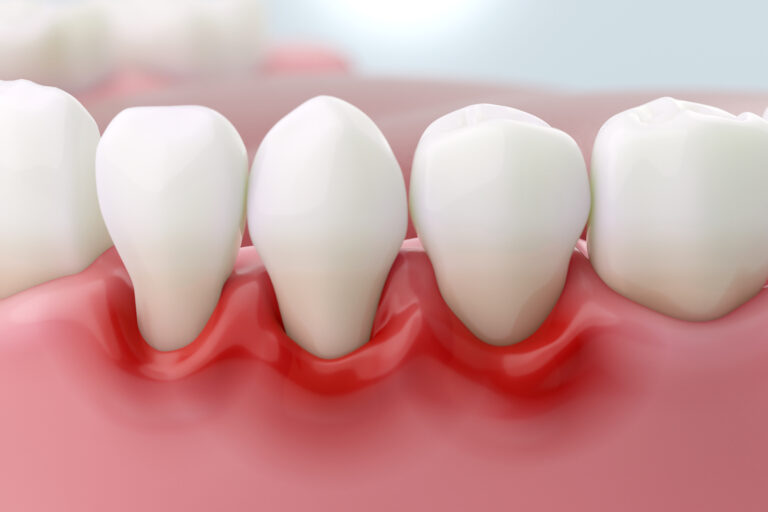
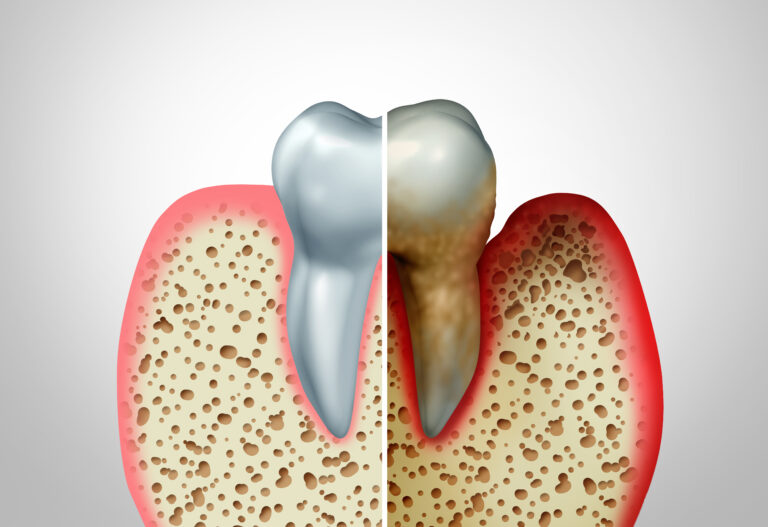
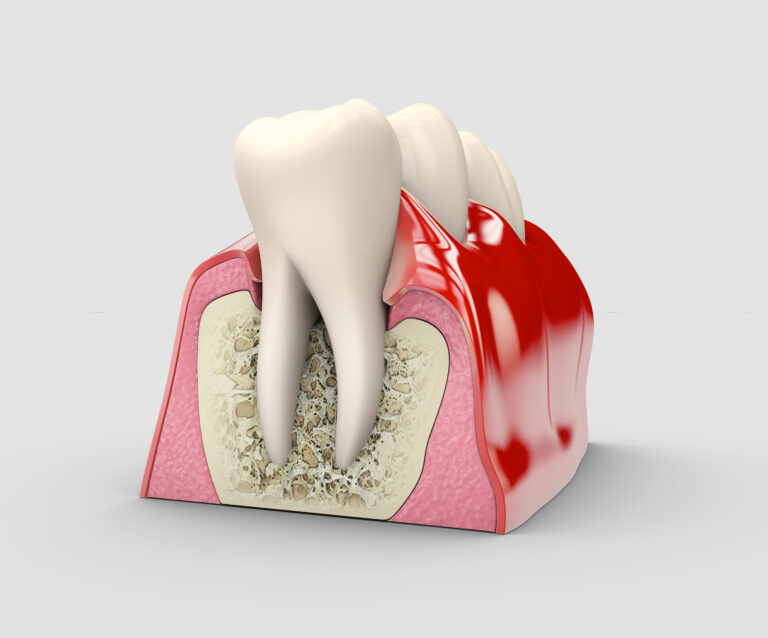
Gum recession is a common dental problem that develops gradually and often goes unnoticed in its early stages. Receding gums occur when the margin of the gum tissue shifts away from the tooth surface. As the gums retract, they begin to expose more of the tooth, including the root. This process weakens the natural protection of the teeth and gums, and over time, the exposed root becomes vulnerable to wear, decay, and infection. Untreated, gum recession can lead to tooth loss and serious periodontal complications.
Unlike decay, receding gums happen slowly. Many patients don’t notice changes until the condition becomes advanced. This condition affects both soft tissue and the supporting structures of the teeth. In more advanced cases, recession can expose the tooth root, which is not protected by enamel. Therefore, early diagnosis is crucial in preventing this.

Who Does Gum Recession Affect?
Gum recession can affect people of any age, but it becomes more common with age. There are various risk factors that increase the likelihood of gum recession. We’ll examine each factor in detail:
People who have periodontal disease
Chronic gum disease is one of the most common causes of gum recession. Constant inflammation destroys the tissues that support the teeth. Over time, this causes gums to recede and become unstable.
People who had braces or other orthodontic treatment
After wearing braces or aligners, localized tissue displacement is possible. If the load is not distributed correctly, this can lead to gum recession, especially if the teeth extend beyond the bone support.
Tobacco users
Smoking and chewing tobacco are common causes of receding gums. They impair blood flow to the tissues and slow healing, making gums more vulnerable.
Individuals with oral piercings
Constant mechanical impact of jewelry can wear away your gums, causing localized damage and a receding gum line.
Aggressive brushers
Aggressive brushing with a hard toothbrush can also wear away gums, especially if you brush your teeth incorrectly. This is one of the most common causes of receding gums in otherwise healthy people.
What are the Symptoms of Receding Gums?
Unfortunately, the gum recession symptoms aren’t always noticeable in the early stages. Many people live with the problem for years without realizing their gums are receding. Here are the most common symptoms:
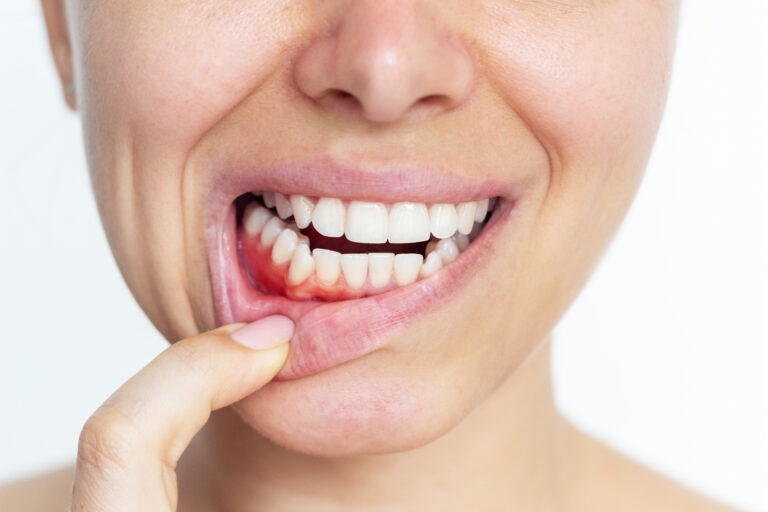
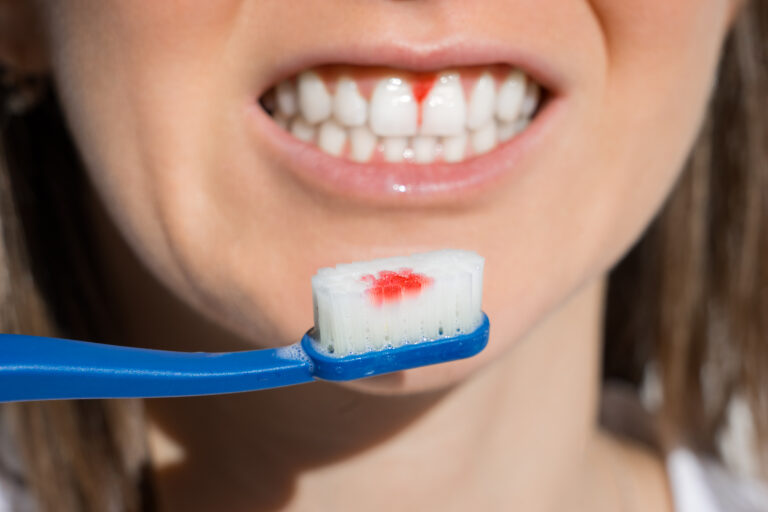
The most common symptoms of receding gums include pain or discomfort in the gum line, as well as sensitivity to hot, cold, and sweet foods. Some patients experience pain when brushing and flossing or notice bleeding gums during oral hygiene.
Another symptom is sensitivity during dental cleanings. Thinned gum tissue reacts more strongly. Pain and swelling at the gum margin may intensify, especially when gum disease and gum recession are present simultaneously.
If gums bleed without an obvious cause, it is often associated with gum disease. Uneven recession leads to a receding gum line and exposed root. This is a clear sign of receding gums, which requires consulting a dentist.
What Are the Causes of Receding Gums?
It’s important to understand the causes of gum recession to choose the right treatment plan. In most cases, there’s not just one cause of gum recession, but several factors at play. Let’s examine each cause in detail:
Brushing too hard or too aggressively
One of the most underestimated causes is overzealous dental care. Heavy brushing, especially with a hard brush, is considered a common cause of recession. Over time, this type of brushing literally damages the margins of the gum tissue. Gums are not designed to withstand mechanical stress, and with constant irritation, they begin to slowly recede.
Dental plaque or tartar buildup
Insufficient or improper hygiene leads to the accumulation of plaque and tartar. These deposits become a source of chronic inflammation. The gums are constantly irritated, lose their density, and gradually move away from the teeth.
Even with regular brushing, plaque can accumulate in hard-to-reach places. Without professional cleaning, it mineralizes, and inflammation becomes a constant factor, accelerating gum recession.
Periodontal disease
Periodontal disease is considered one of the most serious underlying causes. This condition affects not only the gums but also the bone tissue that supports the teeth. Bacteria destroy the supporting structures, causing the gums to recede, exposing the roots.
At this stage, more tooth structure is often exposed, sensitivity increases, and the risk of tooth mobility increases. Without treatment, the process can lead to tooth loss, even if the teeth appear healthy.
Trauma or injury to your gum tissue
Gums are soft and sensitive tissues that do not tolerate repeated trauma well. Trauma or injury to your gum tissue can occur not only from serious blows but also from seemingly minor and regular impacts.
Such injuries include accidental blows to the gums, chewing on hard objects, improperly placed fillings or crowns with sharp edges, and repeated pressure on the same area. Even ill-fitting dentures or aligners can injure the tissue over time if they are poorly fitted.
Abnormal tooth positioning (misalignment)
When teeth are positioned off-center, the load on the gums is distributed unevenly. In these areas, the tissue receives less support, which is one of the causes of receding gums. This occurs especially often in the canine and lower anterior teeth.
Smoking or chewing tobacco use
Nicotine constricts blood vessels and impairs blood flow to the gums. The tissues receive less oxygen and nutrients, and their ability to regenerate is reduced. Under these conditions, even mild inflammation can quickly cause gum recession and become chronic.
Lip and tongue piercings
Lip and tongue piercings are a separate and very common risk factor for gum recession. The jewelry is in constant contact with soft tissue and teeth, creating mechanical friction.
Even if the piercing doesn’t cause pain, it can traumatize the same area of the gum daily. Over time, this leads to tissue thinning and localized displacement of the gingival margin. Recession is especially common on the inner surface of the lower front teeth.
How Is Gum Recession Diagnosed?
Detecting gum recession begins with a thorough examination by a dentist. The specialist performs a comprehensive oral health assessment. During the examination, the condition of the periodontal tissues is assessed, and the stage of changes is determined. Using specialized instruments, the depth of the gingival pockets is measured. These measurements help determine how resilient the tissues are and whether there is a risk of further progression.
It is important to understand its cause. Therefore, diagnosis is always aimed at identifying the cause. The dentist analyzes the patient’s habits, hygiene level, bite, and the presence of inflammation to prescribe the appropriate treatment.
Treatment Options for Gum Recession
Treatment for receding gums depends on the stage of recession, the severity of symptoms, and overall oral health. In some cases, a gentle conservative approach and lifestyle changes are sufficient; in others, surgery may be required to protect teeth and preserve tissue.
Topical antibiotics
In many cases, treatment begins with non-surgical gum treatment. The doctor may prescribe antibiotics. These medications are typically applied to the affected area to help reduce inflammation and support tissue healing.
Dental bonding
When a recession has already exposed the tooth root, dental bonding may be used. Using a special composite material, the dentist covers the sensitive areas of the root.
This method reduces sensitivity, protects the tooth from further damage, and improves the aesthetics of the smile.
Orthodontics
In some cases, recession is due to misaligned teeth. In these cases, orthodontics may be included in the treatment plan. Teeth alignment helps redistribute the load and reduce pressure on weakened areas of the gums.
After bite correction, the tissues receive more uniform support, which helps maintain gum tissue health.
Gum recession surgery
If the recession is severe and conservative treatments are ineffective, gum recession surgery is performed. Surgical treatment aims to restore lost tissue and protect the tooth roots.
One of the most effective methods is gum graft surgery, which helps restore root coverage and protect teeth from sensitivity and decay.
Depending on the clinical situation, various techniques are used, including connective tissue graft, soft tissue graft, lateral pedicle graft, and gingival flap surgery. These techniques allow for gingival recession repair, improving both the function and appearance of the gums.
How to Prevent Gum Recession
Prevention is always easier and more effective than a cure. Gum recession prevention tips are daily habits that directly impact gum health and overall oral health. Regular care and timely professional dental care help keep gums healthy for years to come.
Brush your teeth thoroughly twice every day.
Thorough brushing morning and evening helps remove plaque before it causes inflammation. It’s important to brush gently, without applying too much pressure, paying attention to the gum line.
Floss once daily
Daily flossing removes plaque between teeth, where a toothbrush can’t reach. This reduces the risk of inflammation and maintains oral hygiene for gum health.
Use an antimicrobial mouthwash twice daily
Antibacterial mouthwash helps control bacteria, reduce inflammation, and support healthy gums throughout the day.
Follow your dentist’s recommendation for teeth cleanings
Regular professional dental care and deep cleaning for gums help remove plaque and prevent problems.
Use a soft-bristle toothbrush
A soft toothbrush cleans teeth effectively without damaging gum tissue. Hard toothbrushes and aggressive brushing are common causes of receding gums.
Don’t smoke or use chewing tobacco
Smoking and chewing tobacco reduce blood flow to the gums and slow their healing process. Quitting these habits helps prevent receding gums and maintain healthy gums.

How to Treat Recessed Gums – Conclusion
Gum recession rarely begins suddenly and doesn’t attract immediate attention. It’s more often a gradual process that goes unnoticed for a long time, but over time, it begins to impact both the comfort and health of your teeth. It’s so important not to ignore the first signs of gum recession and to understand what’s happening to your gums.
Also, remember that regular oral care, paying close attention to your body’s signals, and seeing a dentist promptly can not only stop the progression of gum recession but also maintain the health of your gums and teeth. The earlier treatment begins, the easier and more predictable the outcome.
At Dynasty Stomatology, we offer a wide range of solutions, from gentle preventative measures and professional hygiene to highly effective restorative and surgical procedures. After diagnosis, our doctor will be able to choose the right approach based on the cause and stage of the problem.
Frequently Asked Questions About Receding Gums, Gum Disease, and Gum Health
-
How common is gum recession?
Gum recession is very common, especially in adults. It develops gradually and often goes unnoticed until changes become visible or sensitivity appears. Understanding gum recession causes and gum recession risk factors helps explain why so many people experience it at some point.
-
Can gums grow back?
This is one of the most frequent questions we hear. In most cases, receding gums grow back on their own only minimally. While gums don’t typically regenerate fully without care, modern dentistry offers ways to restore coverage and support healing, depending on the situation.
-
How can I reduce sensitivity caused by gum recession?
When gums pull back, tooth roots lose their natural protection and can make gums more sensitive. Using a gentle brushing technique, desensitizing toothpaste, and professional care can help. Your dentist may also recommend treatments that calm exposed areas and protect the tooth surface.
-
What’s the best toothpaste for gum recession?
Look for a low-abrasive toothpaste designed for sensitivity and gum support. Avoid harsh whitening formulas, as they can wear away and your gums over time. The right toothpaste can soothe discomfort and support daily care.
-
How do they fix receding gums?
There isn’t a single solution for everyone. Receding gum treatment depends on the underlying issue and how advanced it is. Options range from professional cleanings to procedures that rebuild lost tissue, all aimed to treat receding gums safely and predictably.
-
How long does it take to recover from gum grafting surgery?
If gums have receded significantly, treatment may require surgery. Recovery after gum surgery usually takes one to two weeks for initial healing, with gradual improvement over the following months as tissues fully stabilize.
-
What can I expect if I have a gum recession?
If you’re experiencing receding gums, your dentist will evaluate how far the gums have moved, whether bone support is affected, and which stages of gum recession apply. From there, you’ll receive a clear plan focused on comfort, function, and long-term health.
-
When should I see my healthcare provider?
As soon as you notice sensitivity, bleeding, or that your gums have receded. Early care often prevents more complex procedures later and helps prevent gum recession from progressing.
-
What questions should I ask my healthcare provider?
Ask about the causes receding gums, available treatments, and how to maintain healthier gums at home. It’s also helpful to ask what habits to adjust and how often you should return for follow-up care.
-
Can stress or teeth grinding contribute to the progression of gum recession?
Yes. Chronic stress and grinding can place excess pressure on teeth and supporting tissues. Over time, this can be associated with gum recession and worsen existing problems if left unaddressed.
-
Is untreated gum recession dangerous even if it causes no pain?
Unfortunately, yes. Receding gums can expose tooth roots, increasing the risk of decay and infection. Left untreated, receding gums can cause lasting damage even without discomfort.
-
Can lifestyle changes alone stop mild gum recession from getting worse?
In early cases, improved hygiene, quitting tobacco, and gentle brushing can help stop receding gums. While natural remedies may support comfort, professional guidance ensures changes are effective and safe.
-
Should I see a periodontist or a general dentist for gum recession treatment?
A general dentist is often the first step and can guide you appropriately. If advanced care is needed — such as periodontal therapy, a scaling and root planing procedure, or tartar removal through scaling and root planing — you may be referred to a specialist. Some patients also benefit from laser gum treatment or minimally invasive gum surgery for precise healing.
Don’t Delay Gum Care – Start with a Consultation
If you’ve noticed sensitivity, bleeding, or changes along your gum line, it’s best not to wait until the issue progresses. A consultation at the clinic Dynasty Stomatology helps identify what’s happening and determine the most appropriate approach for your needs. When concerns are addressed early, treatment is often simpler and more comfortable. During your visit, we take the time to listen, examine, and outline clear next steps — with care, clarity, and no pressure.


Do you want to treat your teeth while you sleep?
Schedule an appointment!
By clicking the button, you give your agreet your personal data in accordance with privacy policy.
Services related to this topic
All services-
Treatment of gum recession
Gum recession is a common condition where the tissue of the gums pull away from your teeth, exposing the tooth root. Known as gingival recession in...
To the service -
Treatment of periodontitis
You should never ignore gum infections assuming it will go disappear on its own. Untreated infections will escalate into gum disease becoming a maj...
To the service -
Gum treatment
Gum treatment mitigates infection, bacteria and plaque. Scaling and root planing protects gums and teeth to make them healthy and strong. Professio...
To the service -
Closed curettage
A curettage procedure in dentistry is commonly performed in the treatment of periodontal disease caused by poor oral hygiene. It is non-surgical in...
To the service -
Treatment for Bleeding Gums
Have you noticed an unpleasant odor from your mouth? Do you experience discomfort when using dental floss? Do your gums bleed when brushing or eati...
To the service -
Consultation with a periodontist
Good oral health is indispensable for your overall mental and physical health. Every three or four months, you are advised to visit a skilled perio...
To the service
Read also
View all blog-
07.07.2026
118
13 min. read
Cavity – causes, symptoms and treatments
Most people think of tooth decay as simply a small hole in the tooth that will eventually need to be filled. In fact, it begins much earlier. Month...
Read more -
03.07.2026
134
8 min. read
Dental Pulpitis Treatment — Saving a Tooth From Pain and Loss
Have you ever experienced a sudden, sharp toothache? It might seem like a reaction to something cold or the aftereffects of eating something sweet....
Read more -
02.07.2026
161
12 min. read
How to Fix Tooth Sensitivity – The Complete Guide to Fast Relief and Permanent Solutions
Have you ever felt a sharp pain when taking a sip of hot coffee or eating your favorite ice cream? One day, everything was fine, but the next, your...
Read more -
30.06.2026
162
10 min. read
Endodontic Retreatment – Why Root Canal Treatment Sometimes Needs to Be Repeate
Most people believe that root canal treatment solves the problem forever. In most cases, this is precisely what happens. However, sometimes, after ...
Read more -
08.06.2026
176
9 min. read
What is Oral Thrush – Symptoms, Treatment and Prevention
Have you noticed a white coating on your tongue that doesn’t go away even after brushing your teeth? Or a strange burning sensation in your m...
Read more -
05.06.2026
173
8 min. read
Dental Care For Pregnant Women – What you need to know
Pregnancy affects nearly every part of the body — including teeth and gums. Many women notice bleeding gums, increased sensitivity, or sudden tooth...
Read more -
03.06.2026
267
11 min. read
What to Do After a Wisdom Tooth Extraction – a Guide to Healing and Care
Going to the dentist to have a wisdom tooth removed often brings fear and many questions, both before and after. For example, is it normal for my c...
Read more