

What Is Tartar on Teeth – Causes, Symptoms, Risks and Professional Remova


21.01.2026
887
8 min. read
Why Patients Trust Dynasty Stomatology
The trust in Dynasty Stomatology is built on a combination of many years of experience and an individual approach to every patient. We understand that a visit to the dentist is often accompanied by anxiety, so we place special emphasis on creating a comfortable and calm atmosphere where every patient feels safe.
The clinic is equipped with modern technology and uses advanced treatment methods, ensuring that procedures are carried out with maximum precision, efficiency, and comfort. All materials undergo strict quality control, and our doctors regularly improve their qualifications to offer only the most up-to-date and proven techniques.
In addition, Dynasty Stomatology values long-term relationships with patients. Our goal is not only to solve the problem at hand but also to maintain the health of teeth and gums for years to come. Openness, honesty, and transparency are the key principles that have earned the clinic its reputation as a reliable dental partner.
Facts about Dynasty Stomatology:
✅ Over 10 years of successful work in dentistry.
✅ Hundreds of positive reviews from patients in Poland and abroad.
✅ We use premium materials from leading global brands.
✅ We offer treatment under sedation and general anesthesia.
✅ A full range of services — from pediatric dentistry to complex surgical operations.
Dynasty Stomatology — trust, expertise, reliability, and care for the beauty of your smile.
Learn about usMedical Expertise
Dynasty Stomatology’s doctors conduct medical reviews of all materials on the website to ensure their accuracy and practical value. Our authors and editors are experienced specialists in the fields of therapeutic, surgical, orthopedic, and pediatric dentistry. This approach allows us to maintain high professional standards and provide our readers with only verified, up-to-date, and useful information.
Almost everyone is familiar with the feeling when a smile loses its former freshness and teeth begin to look dull and uneven. At this point, a process can begin on the enamel surface and at the gum line that, over time, leads to inflammation, cavities, and gum problems.
The cause is often not a lack of brushing. Over time, tartar — a hard plaque that’s difficult to notice in the early stages but gradually begins to affect oral health — forms on the surface of teeth.
In this article, we’ll take a detailed look at why and how tartar is formed, what substances it consists of, and how it differs from regular plaque. You’ll learn how to recognize tartar, what symptoms you shouldn’t ignore, what complications it can lead to, and which areas of the teeth it most often appears in. We’ll also explain how professional tartar removal is performed at Dynasty Stomatology, why at-home methods don’t work, and what really helps prevent tartar buildup.
What is tartar?
It’s important to understand what tartar is and how it behaves to preserve your teeth and gums for years to come.
Tartar, also known as dental calculus, is a hard layer that forms on the surface of teeth when plaque isn’t removed promptly. It forms gradually and becomes firmly attached to the teeth and along the gum line. Once hardened, this plaque cannot be removed by regular brushing and requires professional intervention.
What is tartar made of?
We know many people are wondering what is tartar formed from, and we’d like to explain it in simple terms. The process begins with soft plaque, a sticky film of bacteria, food debris, and saliva components. If plaque isn’t removed, minerals from saliva bind to it. Over time, this mass hardens and turns into tartar.
Tartar consists of several mineral components:
Calcium phosphate
Calcium phosphate is what makes dental plaque hard and facilitates its gradual hardening. This mineral literally “cements” soft plaque, making it strong and durable. Because of this, tartar can become firmly attached to the tooth surface, especially in hard-to-reach areas near the gums and between teeth.
Calcium carbonate
Calcium carbonate is responsible for the rough surface of plaque. This uneven structure allows bacteria to adhere more easily to teeth, actively multiply, and lead to plaque buildup. The longer these deposits remain on teeth, the faster their volume and density increase.
Magnesium phosphate
Magnesium phosphate increases the density and resistance of existing plaque. It hardens the structure of tartar, making it virtually impervious to regular toothbrushes and toothpaste. This is why, over time, tartar becomes resistant to home care and requires professional cleaning.
Symptoms and Causes of Dental Tartar
Tartar develops gradually and may go unnoticed in its early stages. However, as it accumulates, characteristic symptoms appear, and habits and lifestyle play a key role in why the hard plaque continues to form. In this section, we’ll look at the main signs of tartar and examine what contributes to its development.
What are the symptoms of tartar on teeth?
In its early stages, tartar can develop almost unnoticed. However, over time, signs appear that indicate hard deposits have already formed on the teeth. The main symptoms of tartar on teeth:
- Yellow, brown, or black tartar stains on the surface of the teeth;
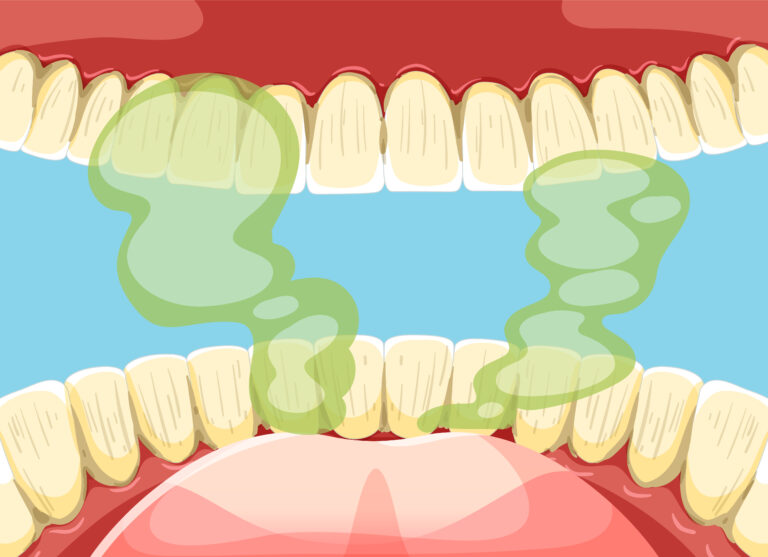
- Bad breath that persists even after brushing;
- Redness, sensitivity, and inflammation of the gums;
- A noticeable hard layer of tartar on the surface of the teeth;
- Bleeding when brushing as a sign of gum irritation.
Tartar on the front teeth is often noticed early due to their visibility, while tartar on the molars can remain unnoticed for a long time and is only discovered during a dental appointment.
What causes tartar?
Tartar doesn’t appear suddenly. Its formation is the result of a combination of habits, lifestyle factors, and daily oral hygiene. When hygiene is inadequate, the conditions for plaque formation develop gradually. The main causes of tartar include:
- Irregular brushing;
- Not flossing as part of your daily routine;
- Frequent consumption of sugary foods and drinks;
- Smoking and using tobacco products;
- Wearing braces and other orthodontic appliances;
- Dry mouth (xerostomia), which reduces the natural cleaning of the teeth.
All these factors contribute to plaque remaining on the teeth longer than usual. If soft plaque is not removed promptly, tartar formation begins, especially in the spaces between the teeth and along the gum line.
What are the complications of having tartar on your teeth?
When tartar on your teeth is not removed in time, it can lead to a range of oral health problems. Because tartar is a hard, rough surface, bacteria easily attach to it and continue to multiply, affecting both the teeth and the gums.
Gingivitis or gum disease
Tartar irritates the gum line and causes inflammation. Gums may become red, swollen, and start bleeding during brushing. Without proper care, gingivitis can progress into more serious gum disease.
Gum recession
As tartar builds up along the gum line, it pushes the gums away from the teeth. This leads to gum recession, making teeth appear longer and exposing sensitive tooth roots.
Cavities
Tartar creates areas where plaque and bacteria remain trapped. Over time, this increases the risk of cavities, especially in hard-to-reach areas and between the teeth.
How do dentists diagnose tartar buildup on your teeth?
Dentists can detect the presence of tartar during a routine examination, as well as through additional diagnostic methods. This allows them to assess the amount of plaque and, most importantly, its impact on the teeth and gums.
A dentist can perform dental X-rays to check for decay in hard-to-reach areas and to detect bone loss around the teeth. This helps identify problems that are impossible to see with the naked eye.
Using a special instrument, the doctor measures the depth of the pockets between the teeth and gums. If the pockets become deeper than normal, this may indicate signs of gum disease and tissue inflammation.

How do dentists at Dynasty Stomatology treat tartar?
At Dynasty Stomatology, tartar removal is performed safely and comfortably, using modern professional dental techniques and equipment. The procedure is tailored to your individual needs, depending on the amount of plaque and the condition of your gums.
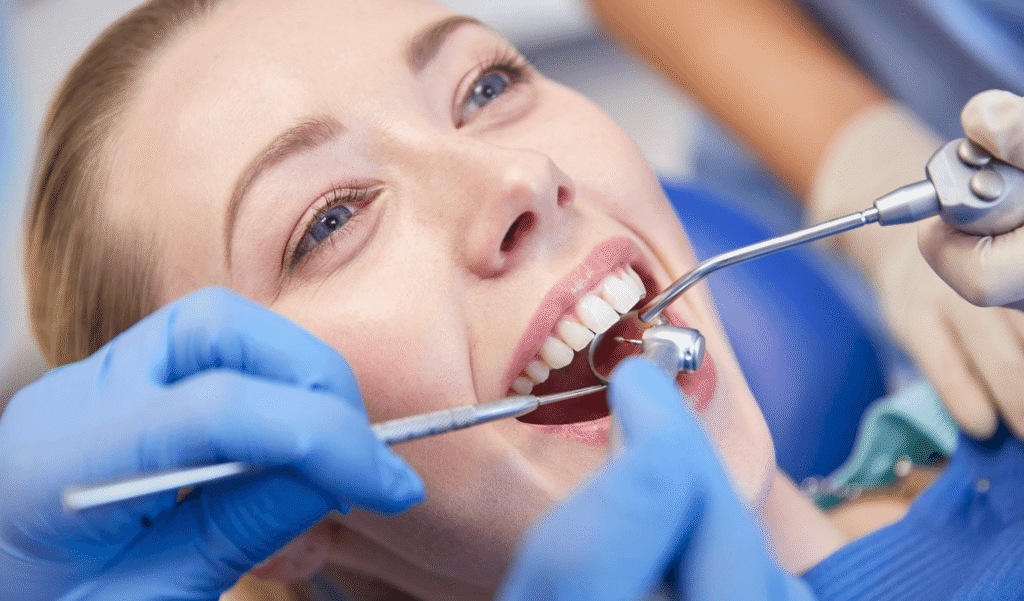
During a dental cleaning, the dentist gently helps remove plaque and plaque from both the surface of your teeth and under your gums. This helps reduce bacteria and prevent further inflammation.
If the patient shows signs of gum disease, additional procedures may be used to restore gums and teeth. This comprehensive approach helps maintain long-term oral health.
Benefits of professional tartar removal
Tartar removal is important because it directly impacts the health of teeth and gums and helps prevent more serious problems in the future. Below are the main benefits:
Healthier Gums and Disease Prevention
When hard deposits are removed, the gums are no longer constantly irritated. This reduces inflammation, decreases bleeding, and helps prevent tartar buildup in the future. Healthy gums better protect teeth and maintain their stability.
Lower Risk of Tooth Decay
Tartar creates a favorable environment for bacteria. Removing it reduces the risk of tooth decay, as the conditions that cause plaque and tartar formation are no longer present.
Fresher Breath
Bacteria that accumulate in plaque often cause bad breath. Removing it helps maintain a feeling of cleanliness and freshness for longer.
Whiter Teeth
After the procedure, teeth appear noticeably cleaner and brighter. Surface pigments are removed, and the enamel takes on a smoother, more polished appearance.
Better Overall Oral Health
Regular professional dental cleaning maintains the balance of oral microflora, reduces the risk of disease, and helps maintain comfort when eating and talking.
How to prevent tartar from forming?
Preventing tartar buildup begins with simple but regular habits that are important to maintain every day. Daily care is crucial in preventing hard plaque.
Brush your teeth two to three times every day
Regular brushing helps remove soft plaque before it has a chance to harden. Brushing your teeth two to three times a day, especially in the morning and before bed, prevents bacteria from accumulating on the surface of your teeth and at the gum line.
Floss between your teeth once a day
A toothbrush can’t completely clean the spaces between teeth. Daily flossing helps remove plaque from the spaces where tartar buildup most often begins.
Swish with an alcohol-free, antibacterial mouthwash twice a day
This alcohol-free antibacterial mouthwash reduces bacteria in the mouth and helps keep hard-to-reach areas clean. Regular use enhances daily hygiene and reduces the risk of inflammation.
Avoid smoking and other tobacco products
Smoking and other tobacco products contribute to the rapid formation and hardening of plaque. Quitting these habits significantly reduces the rate of tartar formation.
Visit your dentist regularly for exams and cleanings
Even with good home care, it’s important to visit your dentist regularly. Professional examinations and cleanings help remove plaque promptly, detect problems early, and maintain oral health.
Frequently Asked Questions about tartar on teeth
-
What happens if I don’t remove tartar?
If tartar is not removed, it gradually accumulates and begins to affect oral health. This deposit that forms on teeth creates conditions in which bacteria actively multiply, because tartar provides a breeding ground and protection for microbes. Over time, this increases the risk of tartar, can trigger gum inflammation, and cause problems with teeth due to the buildup of deposits.
-
Is professional tartar removal necessary?
Yes, tartar removal necessary, because hard deposits are dental tartar, which cannot be removed at home. Once plaque hardens, you can remove tartar from teeth only when it is removed by a dental professional. Since tartar removal is a key step in protecting healthy teeth and gums.
-
At home solutions – are they effective or risky?
There are many videos about home methods like how to remove tartar, how to dissolve tartar, how to clean tartar, how to do with tartar, or how to get rid of tartar may sound appealing, but in reality, they don’t work. If it is already hard tartar, it won’t respond to brushing or toothpaste, and improper methods can damage enamel.
-
How often should I see my dentist for tartar removal?
Most people should visit a dentist or dental hygienist every six months. Regular visits help control the formation of tartar, reduce the risk of tartar, and support maintaining healthy teeth and gums.
-
Why is tartar breaking off my teeth?
When tartar becomes hard and stays on tartar surfaces for a long time, small pieces may break off. This does not solve the issue, because tartar under the gum or subgingival tartar often remains hidden and continues causing harm.
-
Why do I have black tartar on my teeth?
Dark deposits appear when hardened dental plaque remains on teeth for a long time, especially if teeth are not brushed regularly. It’s often visible as tartar on front teeth, while tartar on molars and tartar between teeth can go unnoticed.
-
Does tartar removal weaken the teeth?
No. Removal of tartar does not weaken teeth. Damage happens only when tartar has already caused inflammation or decay. Proper care actually helps remove tartar from teeth and preserve healthy teeth.
-
Is tartar cleaning painful?
Many patients ask, does tartar removal hurt? In most cases, tartar cleaning is comfortable. Mild sensitivity may occur if gingivitis tartar is present, but it’s temporary and manageable.
-
How is tartar removed?
Professionals perform tartar removal using special tools designed to safely remove tartar. This method allows thorough cleaning, including subgingival areas where plaque and calculus hide.
-
How many sessions are needed?
Usually, one visit is enough. However, when subgingival tartar is extensive or the case is advanced, several sessions may be required for complete cleaning.
-
Does tartar return after cleaning?
Yes, tartar can build again because tartar can form whenever plaque remains on teeth. That’s why daily care and understanding the difference between plaque and tartar are essential to prevent tartar from forming again.
-
Do gums return to normal after tartar removal?
In most cases, yes. After treatment, inflammation reduces and healing begins. Proper dental hygiene tartar routines help restore comfort and support tartar and maintaining oral balance teeth for a long time.
Why Dental Tartar Requires Professional Care
Tartar is a hard deposit that requires careful evaluation by a dentist or dental hygienist. Professional care helps address tartar safely, before tartar can contribute to gum inflammation, cavities, and long-term discomfort. Early treatment allows specialists to remove tartar before it becomes deeply attached, and tartar is a hardened structure that affects the gums.
Dental calculus, known as tartar, doesn’t appear overnight — it begins with soft plaque that, over time, eventually hardens into tartar. Once this process starts, the formation of tartar leads to a buildup that tartar cannot be removed with regular brushing at home.


Do you want to treat your teeth while you sleep?
Schedule an appointment!
By clicking the button, you give your agreet your personal data in accordance with privacy policy.
Services related to this topic
All services-
Treatment of dental hypersensitivity in Prague
Toothache when eating something cold, sweet or sour is a common cause of discomfort in patients of all ages. If you are concerned about increased t...
To the service -
Endodontic retreatment in Prague
Re-treatment of root canals is required in cases where the initial treatment has proven ineffective and the tooth continues to cause discomfort, in...
To the service -
Modern diagnostics and treatment of TMJ dysfunction
Temporomandibular joint dysfunction is a common problem that can significantly impair quality of life due to pain, limited movement, and bite probl...
To the service -
Oral sanitation before medical procedures
Before important medical interventions – surgery, childbirth or the start of chemotherapy – it is especially important to clean up the ...
To the service -
Aesthetic restoration of teeth
How many times a day do you smile? No matter the number, we can assure you that after an aesthetic restoration at Dynasty Stomatology in Prague (Cz...
To the service -
Dental treatment under a microscope
Root canal treatments have been radically transformed with the advent of the dental microscope in endodontics. It enables the specialist to view in...
To the service -
Root canal treatment
Root canal treatment is required when the tooth pulp becomes inflamed or infected because of decay, injury or repeated dental treatment procedures....
To the service -
Pulpitis treatment
Did you neglect treating tooth decay? Or fail to visit a dentist in time after a dental injury? Then the infection may have penetrated the inner ti...
To the service -
Treatment of halitosis (bad breath)
Do you feel discomfort due to unpleasant breath? Have you lost self-confidence? Looking for a way to treat bad breath effectively? At Dynasty Stoma...
To the service -
Treatment of initial caries using the ICON method
Initial caries is a damage to the enamel that has not yet affected the deeper layers of the tooth. It often appears as a white spot on the enamel a...
To the service -
Treatment of a broken tooth
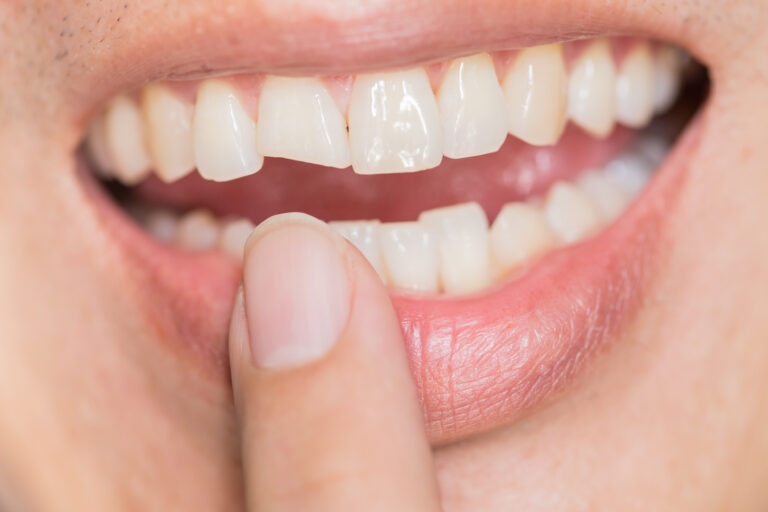
A broken tooth is always an unpleasant surprise that happens at the most inopportune time. But don’t be in a hurry to despair! The highly tra...
To the service




Read also
View all blog-
07.07.2026
117
13 min. read
Cavity – causes, symptoms and treatments
Most people think of tooth decay as simply a small hole in the tooth that will eventually need to be filled. In fact, it begins much earlier. Month...
Read more -
03.07.2026
134
8 min. read
Dental Pulpitis Treatment — Saving a Tooth From Pain and Loss
Have you ever experienced a sudden, sharp toothache? It might seem like a reaction to something cold or the aftereffects of eating something sweet....
Read more -
02.07.2026
159
12 min. read
How to Fix Tooth Sensitivity – The Complete Guide to Fast Relief and Permanent Solutions
Have you ever felt a sharp pain when taking a sip of hot coffee or eating your favorite ice cream? One day, everything was fine, but the next, your...
Read more -
30.06.2026
162
10 min. read
Endodontic Retreatment – Why Root Canal Treatment Sometimes Needs to Be Repeate
Most people believe that root canal treatment solves the problem forever. In most cases, this is precisely what happens. However, sometimes, after ...
Read more -
08.06.2026
175
9 min. read
What is Oral Thrush – Symptoms, Treatment and Prevention
Have you noticed a white coating on your tongue that doesn’t go away even after brushing your teeth? Or a strange burning sensation in your m...
Read more -
05.06.2026
173
8 min. read
Dental Care For Pregnant Women – What you need to know
Pregnancy affects nearly every part of the body — including teeth and gums. Many women notice bleeding gums, increased sensitivity, or sudden tooth...
Read more -
03.06.2026
267
11 min. read
What to Do After a Wisdom Tooth Extraction – a Guide to Healing and Care
Going to the dentist to have a wisdom tooth removed often brings fear and many questions, both before and after. For example, is it normal for my c...
Read more