
The best tips for overcoming fear of the dentist


28.01.2026
244
9 min. read
Why Patients Trust Dynasty Stomatology
The trust in Dynasty Stomatology is built on a combination of many years of experience and an individual approach to every patient. We understand that a visit to the dentist is often accompanied by anxiety, so we place special emphasis on creating a comfortable and calm atmosphere where every patient feels safe.
The clinic is equipped with modern technology and uses advanced treatment methods, ensuring that procedures are carried out with maximum precision, efficiency, and comfort. All materials undergo strict quality control, and our doctors regularly improve their qualifications to offer only the most up-to-date and proven techniques.
In addition, Dynasty Stomatology values long-term relationships with patients. Our goal is not only to solve the problem at hand but also to maintain the health of teeth and gums for years to come. Openness, honesty, and transparency are the key principles that have earned the clinic its reputation as a reliable dental partner.
Facts about Dynasty Stomatology:
✅ Over 10 years of successful work in dentistry.
✅ Hundreds of positive reviews from patients in Poland and abroad.
✅ We use premium materials from leading global brands.
✅ We offer treatment under sedation and general anesthesia.
✅ A full range of services — from pediatric dentistry to complex surgical operations.
Dynasty Stomatology — trust, expertise, reliability, and care for the beauty of your smile.
Learn about usMedical Expertise
Dynasty Stomatology’s doctors conduct medical reviews of all materials on the website to ensure their accuracy and practical value. Our authors and editors are experienced specialists in the fields of therapeutic, surgical, orthopedic, and pediatric dentistry. This approach allows us to maintain high professional standards and provide our readers with only verified, up-to-date, and useful information.
Have you ever noticed how your mood changes when you have a dentist appointment? It seems like nothing serious is happening, but inside, anxiety and tension are growing. You might start putting off your appointment, looking for reasons to reschedule, or even convincing yourself that it’s not that painful and you can just wait a little longer. This is exactly what pre-dental appointment anxiety feels like.
Fear of the dentist rarely arises out of nowhere. Sometimes it’s a childhood memory, sometimes a bad experience, and sometimes simply a feeling of loss of control as you lie in the chair, unsure of what will happen next. Many people are convinced that “something is wrong” with them, although in fact, people experience dental anxiety much more often than is commonly believed.
You might be surprised, but this fear doesn’t need to be tolerated or ignored. It can be taken under control. And in this article, we want to share how to do so, so you can find that much-needed peace of mind before your dentist visit. We’ll also explain where anxiety comes from, how it manifests itself, and what helps you calm down before dentist, even if you’ve long been afraid of the dentist or have become accustomed to avoiding it.
What is dental anxiety?
Dental anxiety is a psychological and emotional reaction that occurs before or during dental treatment. It affects people of all ages. Some patients begin to feel nervous about dental visits several days in advance, while others only feel nervous upon entering the dental office.
This condition should not be confused with regular anxiety. Dental anxiety in adults often develops after a negative experience, while dental anxiety in children can occur even without direct trauma. In both cases, anxiety intensifies if ignored.
Dental phobia (Dentophobia)
Dental phobia is a more severe form of fear. People with this condition often completely avoid the dentist, even if they experience severe pain. Unlike regular anxiety, this is a deep-seated fear, accompanied by panic reactions and pronounced physical symptoms.
Understanding dental anxiety helps distinguish between controlled anxiety and a condition that requires professional help.
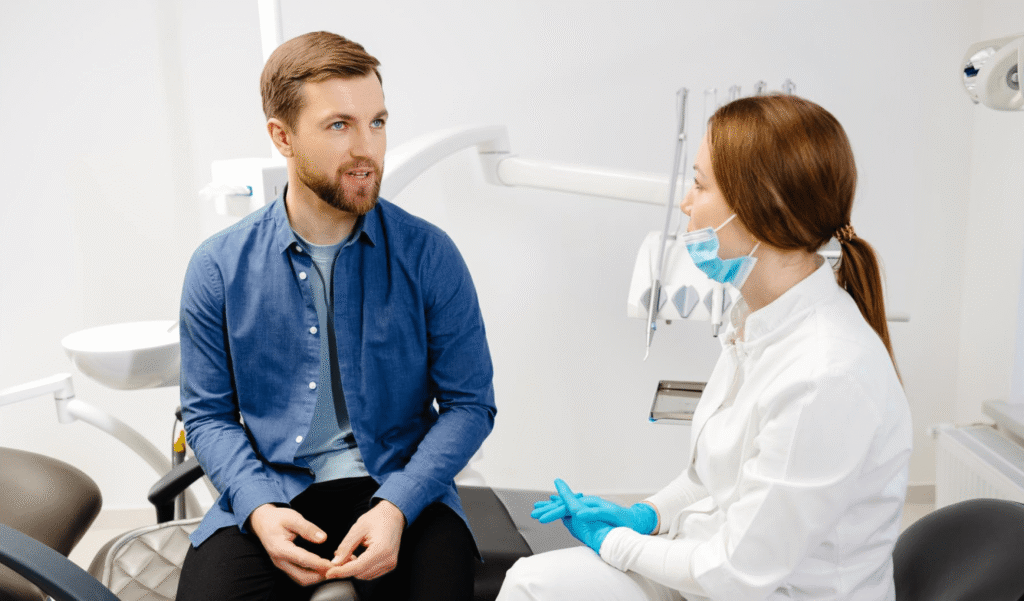
The most common causes of dental anxiety
There are many causes of dental anxiety, and in most cases, there’s not a single, specific cause, but a combination of factors that gradually intensify. Over time, anxiety can accumulate and develop into a persistent behavioral pattern, leading people to postpone appointments and lose control of the situation. Let’s look at each reason in more detail:
1. Traumatic experiences
A negative dental treatment in childhood is considered one of the most common causes of dental anxiety. Even if the pain or discomfort was short-lived, the memory can linger for years. Over time, this experience becomes normalized, creating a persistent expectation that any visit to the dentist will be unpleasant.
2. Fear of the unknown
This fear significantly increases dentist appointment anxiety. When a person doesn’t understand the steps to be taken, how long the procedure will take, or what they will experience, anxiety naturally increases. Lack of information is often more frightening than the procedure itself.
3. Fear of pain and fear of needles
Fear of pain and fear of injections at the dentist remain among the most powerful triggers. Many patients doubt whether pain-free dental treatment is truly possible, worry that the anesthesia won’t work or will wear off too quickly, and prepare for the worst-case scenario.
4. Loss of control
The feeling of loss of control in the dental chair often becomes a major fear factor. It’s difficult for patients to relax when they can’t see what’s happening and fear they won’t be able to stop the procedure if they feel discomfort. This feeling of helplessness intensifies the body’s anxiety response.
5. The influence of other people’s experiences
Negative stories from others can easily foster a fear of dentists, even if people haven’t encountered any problems themselves. Such stories create a distorted perception of dentistry based on other people’s experiences.
6. Embarrassment and loss of personal space
Some patients fear being judged by the dentist, feel ashamed of their dental condition, or feel awkward during the examination. The loss of personal space — the need to remain open for long periods of time and feel the close presence of the dentist and instruments—further increases anxiety. This combination of emotional and physical discomfort increases stress during dental treatment and leads to a desire to avoid going to the dentist, even if the treatment is necessary.
7. Sensory stimuli
For many people, the smell and sounds of a dental office become immediate triggers. These sensations can sharply increase anxiety levels even before treatment begins and trigger an automatic stress response.
How does fear most often manifest itself?
People experience dental anxiety differently, and the symptoms aren’t always obvious. Some experience the fear as background tension, while others experience it as a strong emotional or physical reaction. Anxiety can build up well before the trip to the dentist and intensify gradually.
Below we have listed the most common manifestations:
- sleep problems and obsessive thoughts the day before the appointment;
- internal tension and anxiety that intensifies as the appointment approaches;
- a sharp surge of anxiety in the waiting area, increased heart rate, or trembling;
- nausea, tears, or intense emotional discomfort at the thought of the appointment;
- the desire to cancel the appointment at the last minute without an objective reason;
- physical discomfort while sitting in the dental chair, associated with a feeling of vulnerability;
- tension in the body, clenching of the jaw or hands;
- a feeling of shortness of breath or sudden panic while waiting or during treatment.
How not to be afraid of the dentist or techniques to alleviate fear
We understand how difficult it can be to feel anxious at the dentist, and we want to provide you with practical dental anxiety solutions that help reduce anxiety before your visit and help you feel more comfortable during your appointment.
1. Breathing exercises and meditation
Slow breathing is a simple and effective way of managing dental stress. When anxiety intensifies, the body automatically accelerates breathing and heart rate. To regain control, inhale slowly through your nose and exhale slowly through your mouth, concentrating solely on this process. This will help the body relax.
2. Listening to soothing music
Music is one of the best ways to reduce stress during dental treatment. Favorite tunes help you distract yourself from extraneous sounds and focus on something familiar and pleasant. This creates a feeling of safety.
3. Visualisation of positive scenarios
Positive imagery helps overcome anxiety and shift your focus away from worrying thoughts. Imagine a calm environment, a comfortable end to your appointment, or a feeling of relief after a procedure.
4. Communicate with the dentist
Open communication with your dentist helps you feel in control and trust. You can discuss your fears, past negative experiences, and concerns with your dentist in advance without fear of judgment. When your dentist understands your concerns, they can tailor their approach, explain each step, and offer the most comfortable options.
5. Agree on a signal
It’s especially important to agree on a signal with your dentist in advance. This will help you maintain a sense of control. The signal allows you to stop the procedure if you know you need a break at a certain point.
6. Get as much information as possible about the planned procedure
When a doctor explains all dental procedures in detail, it significantly reduces the fear of dental treatment. At Dynasty Stomatology, dentists are trained to explain treatment steps in detail, answer questions, and take the time to listen to the patient.
Long-term strategies for coping with fear
Overcoming dental anxiety is rarely limited to a single visit. Lasting results occur when a person gradually changes their attitude toward treatment and develops new, more reassuring associations. Here’s what helps in the long run:
Visit the dentist regularly
Regular dental visits help reduce anxiety through predictability and familiarity. When visiting the dentist becomes part of the routine, each subsequent visit feels less stressful. Most importantly, regular checkups enable the early detection of problems, preventing the need for complex treatments that often increase fear and stress.
Psychological help
If your dental anxiety is so severe that it triggers panic attacks, then working with a specialist can help. A psychologist can help manage your anxiety, understand the causes of your psychological fear of dentist, learn to cope with anxious thoughts, and gradually reduce your fear.

Sedation dentistry — a quick solution for patients afraid of dental treatment
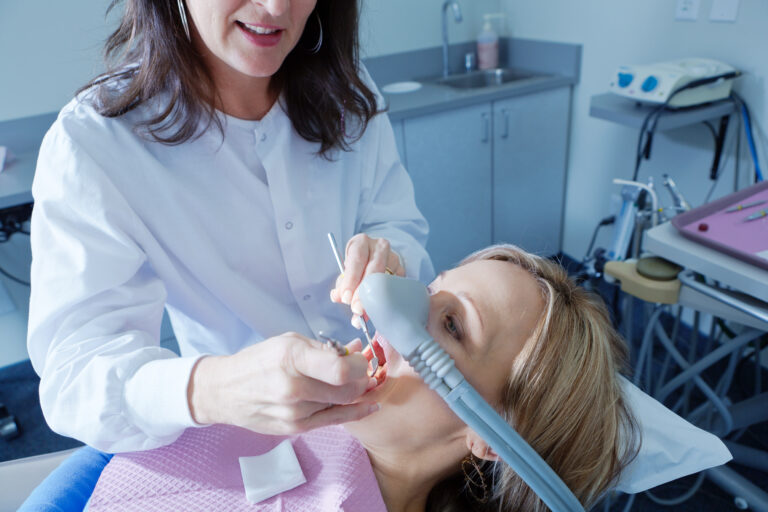
If relaxation techniques and conversations with the dentist fail to overcome your fear, there’s another solution: sedation dentistry. This approach can help you overcome anxiety and make your dental visit as comfortable as possible.
Sedation allows you to relax and significantly reduce stress, while remaining conscious and able to interact with the dentist.
How to prepare for a stress-free dental visit
- Call ahead. You can ask questions, clarify details of the visit, and understand in advance what to expect, which reduces internal stress.
- Avoid caffeine. Coffee, energy drinks, and strong tea increase nervousness and increase heart rate.
- Eat before your visit. This helps to avoid weakness and additional discomfort.
- Bring a support person. The presence of a trusted friend or family member provides a sense of support and security. Even if they don’t come into the office, their mere presence helps you feel calmer.
- Wear comfortable clothes. Loose clothing does not restrict movement and helps the body relax.
- Arrive early, but not too early. Arriving 10-15 minutes before your appointment allows you to calmly prepare and avoid rushing. However, arriving too early can increase anxiety.
Frequently asked questions about fear of the dentist
-
Is fear of the dentist considered a phobia or a normal anxiety response?
In most cases, fear of the dentist is a normal reaction, similar to anxiety before dental appointment, especially if a person has previously experienced anxiety before treatment. It only becomes a phobia when it interferes with dental care and completely prevents visits.
-
At what point does dental anxiety become something that needs professional help?
If anxiety develops into panic and severe dental anxiety develops, it's time to consider professional help. It's important to understand your anxiety promptly to prevent it from worsening.
-
Can fear of the dentist worsen oral health problems over time?
Yes, constantly avoiding dental appointments negatively impacts dental health. When a person puts off dental check-ups, problems accumulate and may require more complex treatment.
-
Are certain dental procedures more likely to trigger anxiety than others?
Yes, some procedures do cause more anxiety. Most often, anxiety is heightened by procedures such as root canal treatment, tooth extraction, and dental implants. Anxiety can also be triggered by procedures involving injections, prolonged periods with the mouth open, and working in hard-to-reach areas, especially if a person has personal reasons for dental anxiety or a negative experience.
-
How can parents prevent dental fear from developing in their children?
Parents need to create a positive first dental experience and avoid passing on their feelings of fear to their children. A calm atmosphere and early introduction to the dentist help make dental visits a routine.
-
Does dental anxiety tend to increase with age if left unaddressed?
If fear is ignored, it can actually intensify, especially if you haven't been to the dentist for a long time. Over time, anxiety becomes a persistent habit that's harder to change, and then it's advisable to seek help from a psychologist.
-
Can modern dental technology really make treatments less stressful for anxious patients?
Yes, modern approaches such as fear-free dentistry and modern dentistry comfort significantly improve patient comfort in dentistry. New technologies help make dental procedures gentler and more relaxing.
-
Is it okay to change dentists if anxiety is linked to a previous bad experience?
Yes, this is often a necessary step. A bad experience with one dentist shouldn't define your attitude toward all dentists. Finding the right dentist will help you regain a sense of security and, over time, learn to trust your dentist again.
-
How do dentists typically adapt treatment plans for very anxious patients?
Many dentists take patients' anxiety levels into account and tailor treatment individually. At Dynasty Stomatology, you can choose suitable options with your dentist during the planning stage. This approach is often based on years of experience working with different generations of patients, with a strong emphasis on trust. Our dentists and dental specialists work as a unified dental team, striving to create a supportive dental environment to significantly reduce anxiety and make your treatment as comfortable as possible.
-
Can dental fear be completely overcome, or is it something people learn to manage?
For some, the fear disappears completely; for others, coping with dental fear and managing dental anxiety are more important. Facing your fear is the first step toward overcoming it. Also, using all the tips on how to overcome dental anxiety can help you to make dental visits more comfortable.
Take the first step towards a stress-free dental visit
If you’re nervous about dentist visit or discover you have dentist fear symptoms, it’s important to remember that you don’t have to deal with it alone. A consultation is a safe space where you can ask questions, discuss your concerns, and understand how dental fear management can help you. At Dynasty Stomatology, through open communication with your dentist, you can discuss your treatment plan, comfort options to make your visit predictable and calm. Schedule a consultation and begin your journey to confident and comfortable treatment.


Do you want to treat your teeth while you sleep?
Schedule an appointment!
By clicking the button, you give your agreet your personal data in accordance with privacy policy.
Services related to this topic
All services-
Dental treatment under mild sedation
If you suffer from dental anxiety during routine visits to the dentist for oral surgery, sedation dentistry is the perfect solution for you. Differ...
To the service -
Dental Treatment under Anesthesia
Local anesthetics are used for the treatment of several dental ailments for people who fear sitting in a dentist’s office. Keeping the above ...
To the service -
Dental Treatment under Sedation
Sedation dentistry is beneficial for people with pain sensitivity, individuals with special needs, strong gag reflexes, pain sensitivity, or those ...
To the service


Read also
View all blog-
07.07.2026
18
13 min. read
Cavity – causes, symptoms and treatments
Most people think of tooth decay as simply a small hole in the tooth that will eventually need to be filled. In fact, it begins much earlier. Month...
Read more -
03.07.2026
39
8 min. read
Dental Pulpitis Treatment — Saving a Tooth From Pain and Loss
Have you ever experienced a sudden, sharp toothache? It might seem like a reaction to something cold or the aftereffects of eating something sweet....
Read more -
02.07.2026
48
12 min. read
How to Fix Tooth Sensitivity – The Complete Guide to Fast Relief and Permanent Solutions
Have you ever felt a sharp pain when taking a sip of hot coffee or eating your favorite ice cream? One day, everything was fine, but the next, your...
Read more -
30.06.2026
68
10 min. read
Endodontic Retreatment – Why Root Canal Treatment Sometimes Needs to Be Repeate
Most people believe that root canal treatment solves the problem forever. In most cases, this is precisely what happens. However, sometimes, after ...
Read more -
08.06.2026
87
9 min. read
What is Oral Thrush – Symptoms, Treatment and Prevention
Have you noticed a white coating on your tongue that doesn’t go away even after brushing your teeth? Or a strange burning sensation in your m...
Read more -
05.06.2026
78
8 min. read
Dental Care For Pregnant Women – What you need to know
Pregnancy affects nearly every part of the body — including teeth and gums. Many women notice bleeding gums, increased sensitivity, or sudden tooth...
Read more -
03.06.2026
154
11 min. read
What to Do After a Wisdom Tooth Extraction – a Guide to Healing and Care
Going to the dentist to have a wisdom tooth removed often brings fear and many questions, both before and after. For example, is it normal for my c...
Read more