

Dental Implants — What You Should Know

26.02.2026
206
10 min. read
Why Patients Trust Dynasty Stomatology
The trust in Dynasty Stomatology is built on a combination of many years of experience and an individual approach to every patient. We understand that a visit to the dentist is often accompanied by anxiety, so we place special emphasis on creating a comfortable and calm atmosphere where every patient feels safe.
The clinic is equipped with modern technology and uses advanced treatment methods, ensuring that procedures are carried out with maximum precision, efficiency, and comfort. All materials undergo strict quality control, and our doctors regularly improve their qualifications to offer only the most up-to-date and proven techniques.
In addition, Dynasty Stomatology values long-term relationships with patients. Our goal is not only to solve the problem at hand but also to maintain the health of teeth and gums for years to come. Openness, honesty, and transparency are the key principles that have earned the clinic its reputation as a reliable dental partner.
Facts about Dynasty Stomatology:
✅ Over 10 years of successful work in dentistry.
✅ Hundreds of positive reviews from patients in Poland and abroad.
✅ We use premium materials from leading global brands.
✅ We offer treatment under sedation and general anesthesia.
✅ A full range of services — from pediatric dentistry to complex surgical operations.
Dynasty Stomatology — trust, expertise, reliability, and care for the beauty of your smile.
Learn about usMedical Expertise
Dynasty Stomatology’s doctors conduct medical reviews of all materials on the website to ensure their accuracy and practical value. Our authors and editors are experienced specialists in the fields of therapeutic, surgical, orthopedic, and pediatric dentistry. This approach allows us to maintain high professional standards and provide our readers with only verified, up-to-date, and useful information.
Many people think that missing teeth are simply a matter of aesthetics. But over time, chewing becomes more difficult, the load is distributed incorrectly, adjacent teeth begin to shift, and bone volume gradually decreases. What initially seemed like a “minor problem” can gradually begin to affect comfort, health, and self-confidence.
Some choose a bridge, others put off treatment “for later,” and still others begin researching dental implants and quickly become lost in complex terms, figures, and scary stories online.
In fact, it’s not that scary — if you take a calm, level-headed approach.
In this comprehensive guide, we’ll explain in simple terms what dental implants are, who they’re suitable for, the procedure, how long the recovery takes, and what aspects are truly worth considering. No scares — just the facts and clear explanations to help you make an informed decision.
What are Dental Implants?
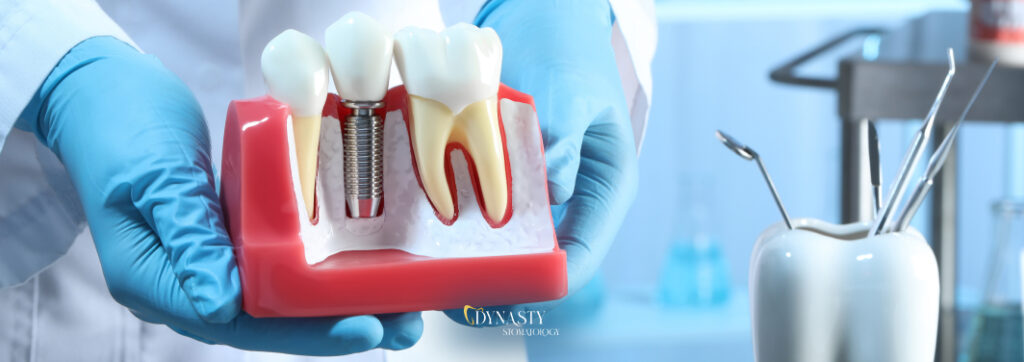
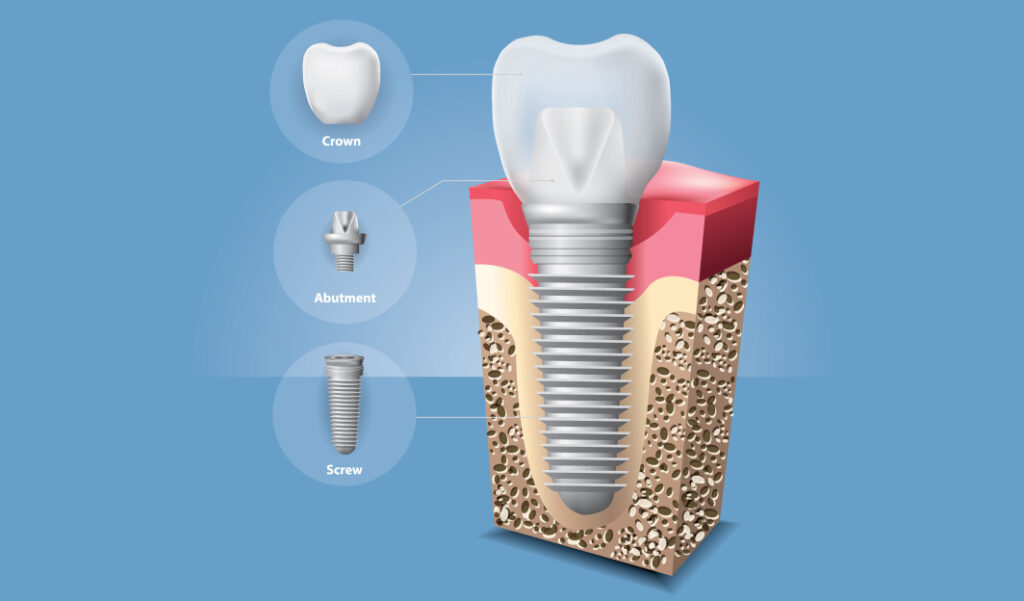
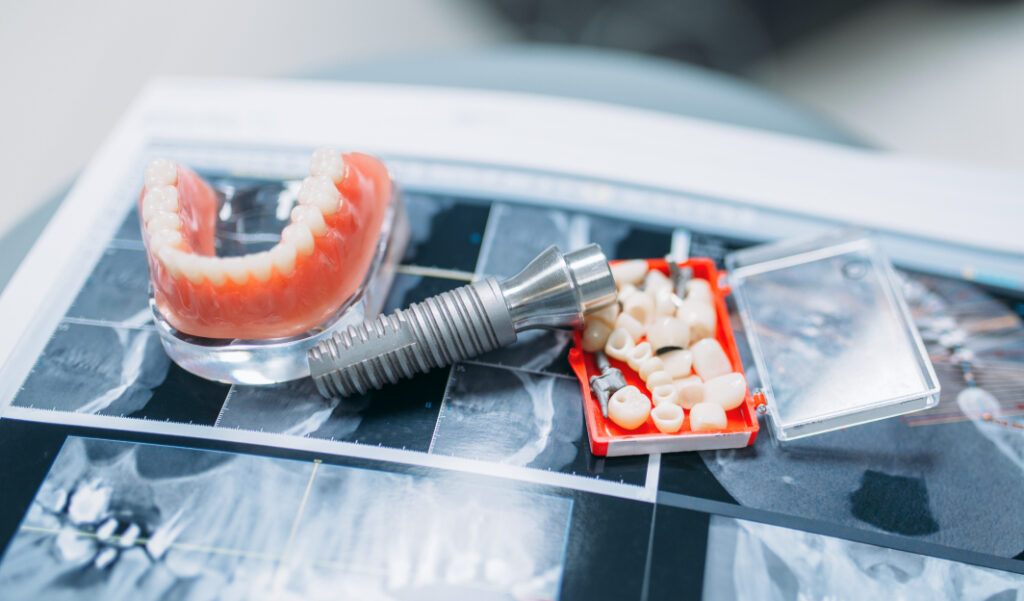
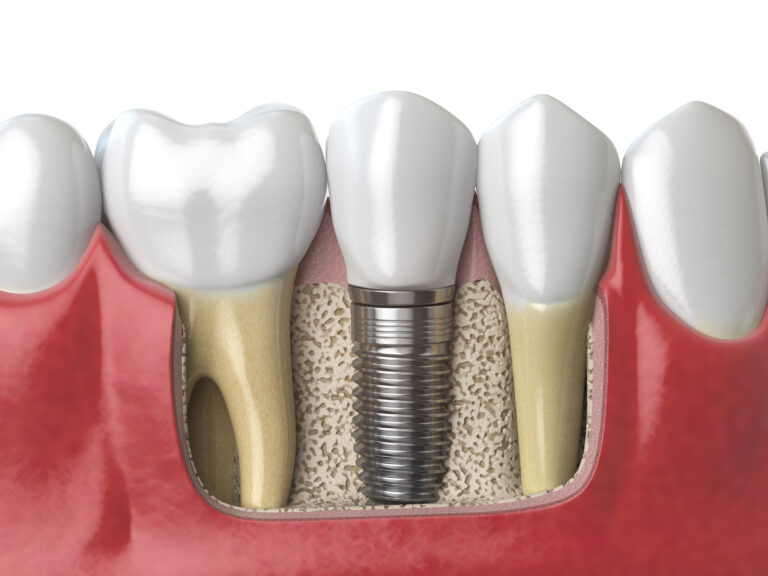
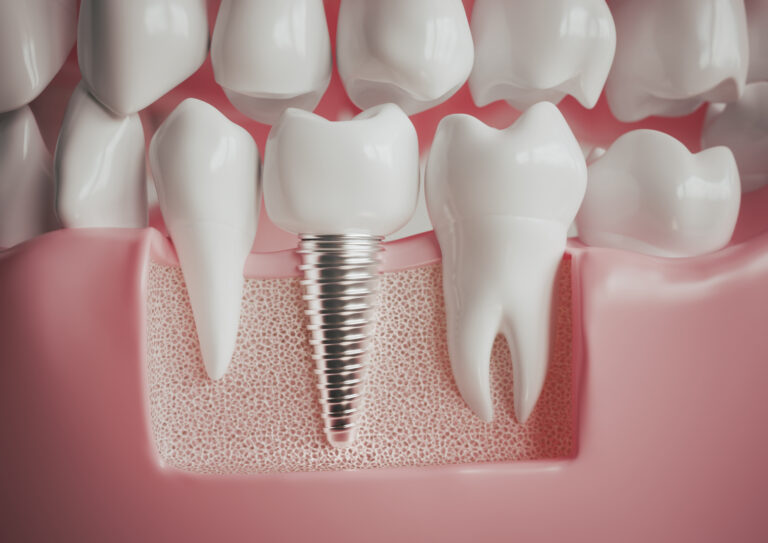
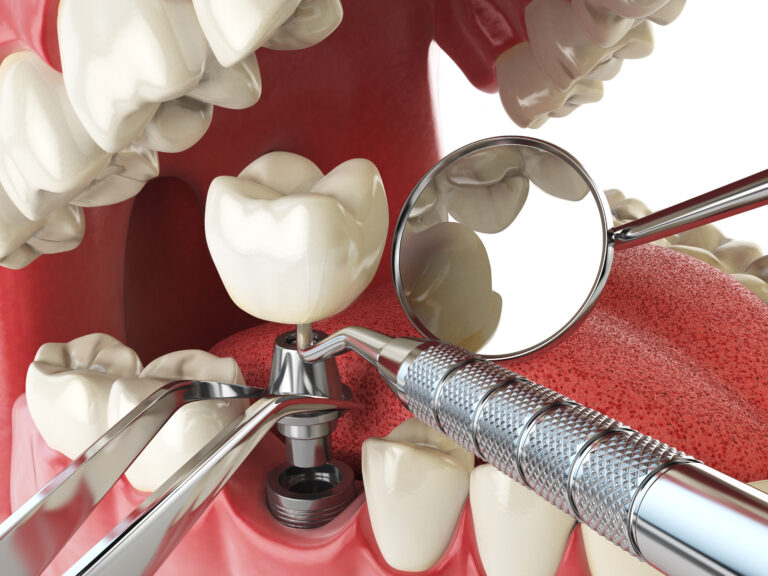
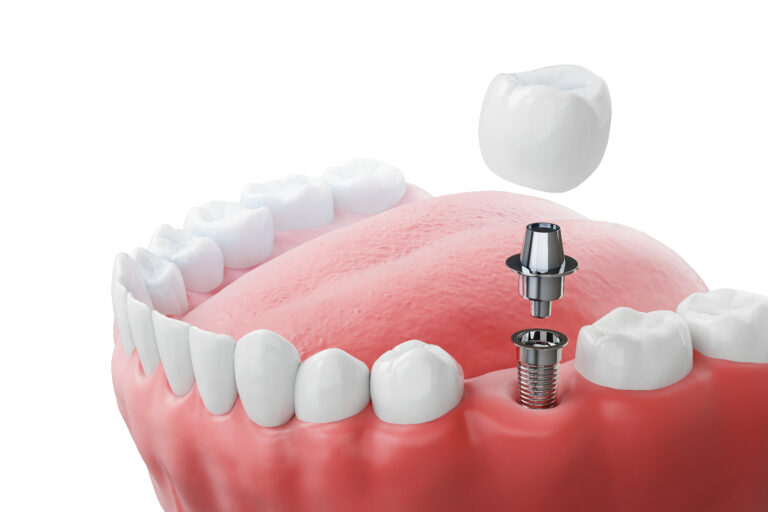
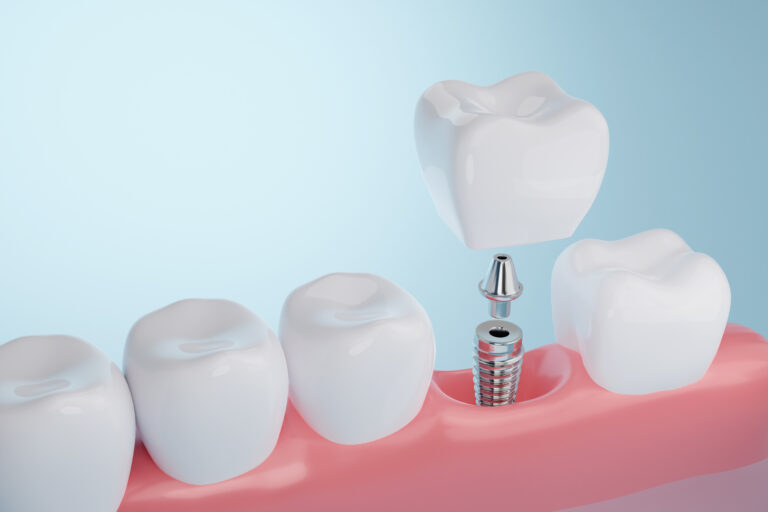
Dental implants are artificial tooth roots that are inserted into the jawbone to replace lost teeth. Each dental implant consists of a titanium screw that functions as a root and serves as a support for the future structure.
After placement, osseointegration begins — the process of fusing the implant with the jawbone. As a result, the implant becomes firmly fused with the bone and serves as a stable foundation for a crown or prosthesis.
Types of Dental Implants
There are different types of dental implants, and the choice depends on the clinical situation.
- Endosteal implants are the most common option. These implants are placed directly into the bone.
- Subperiosteal implants are placed under the gum but above the bone if there is insufficient bone volume.
- Mini dental implants are smaller versions of implants, used in certain cases.
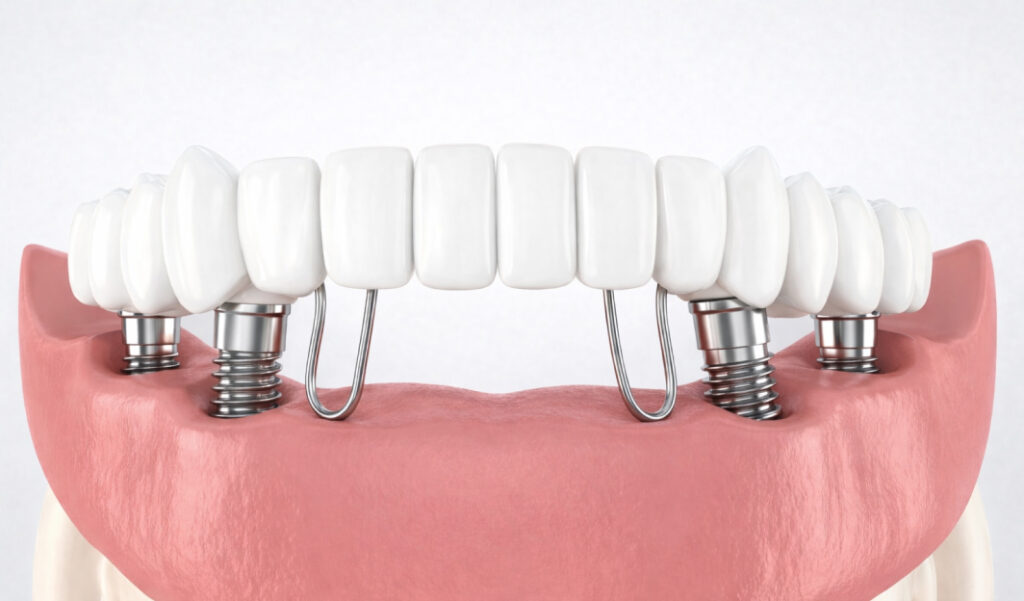
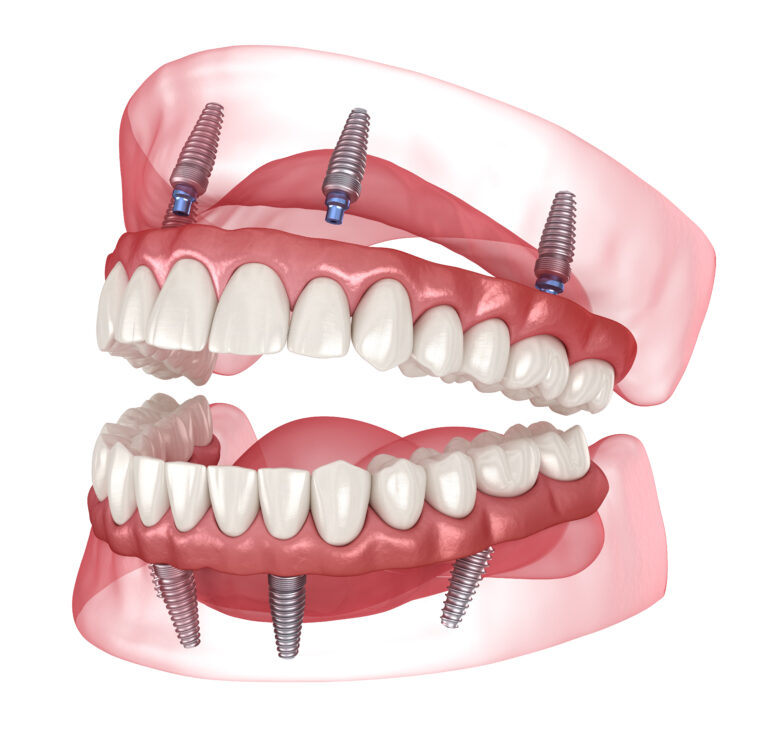
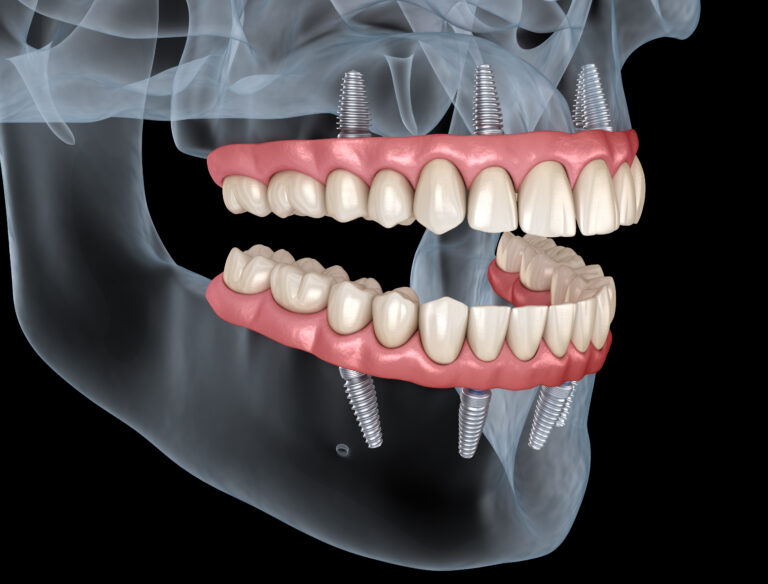
Solutions for complete edentulism, including full-mouth dental implants, allow for the restoration of the entire dentition. Modern protocols include the All-on-4 and All-on-6 methods, in which a fixed structure is secured to four or six implants, respectively. This provides stability and often avoids complex bone grafting.
There are also different restoration options depending on the clinical situation:
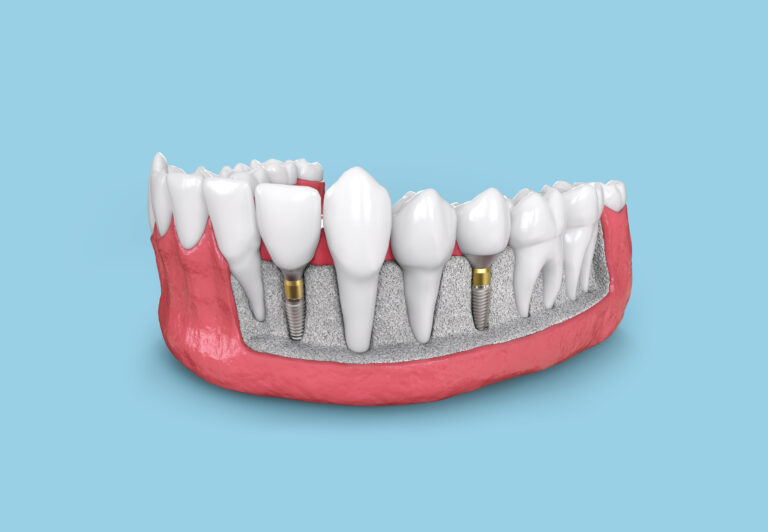
- Single tooth implant — for the loss of one tooth;
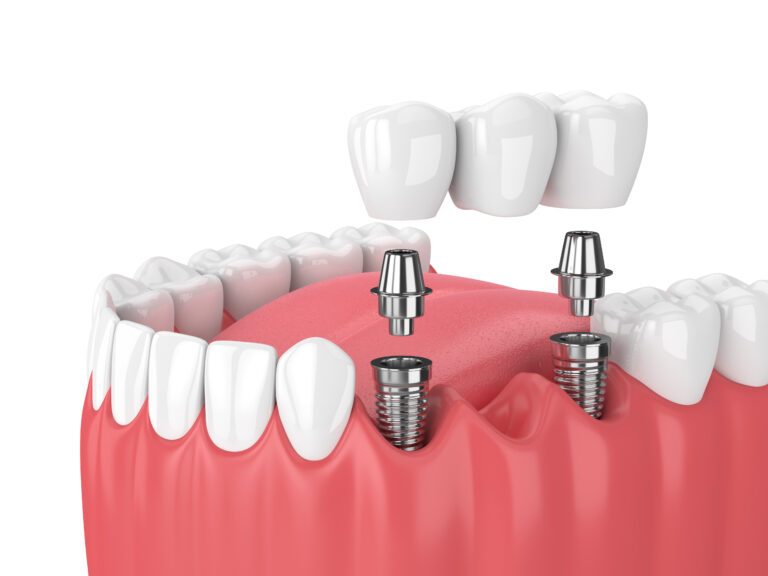
- Implant-supported bridge — a bridge structure supported by implants;
- Implant-supported crowns — crowns on implants;
- Implant-supported dentures — removable or conditionally removable dentures secured to implants.
Unlike a traditional dental bridge, implantation does not require grinding down adjacent teeth and allows for the preservation of adjacent teeth.
What Implants Are Used at Dynasty Stomatology
Our clinic uses modern titanium dental implants, which are characterized by high biocompatibility, strength, and predictable bone integration. This increases the success rate of dental implants. These implants are durable and designed for long-term use.
We utilize several proven implant systems:
- JDental (Italy) — a reliable European system for standard clinical cases with good primary stabilization.
- Megagen (South Korea) — a modern system with sophisticated thread geometry that ensures stability even in complex clinical situations.
- Straumann (Switzerland) — one of the most renowned premium systems in the world, distinguished by high manufacturing precision and long-term clinical studies.
After implant placement and complete osseointegration, prosthetic structures are installed on the implant:
- Zirconia implant crown.
- Temporary implant crown.
- Non-removable temporary denture on implants.
- Non-removable permanent denture on implants.
The choice of system and design is always individualized, taking into account the clinical situation, bone volume, and long-term treatment plan. Patients are advised to confirm the brand and implant system with their doctor to retain this information in their medical records.
Dental Implant Treatment — Patient Recommendations
Before choosing dental implants
Before deciding to get dental implants, it’s important to consider your overall health. To be a candidate for dental implants, you must have sufficient bone volume and good overall health.
Your doctor will help determine if you are a good candidate for dental implants. If you are just starting out and are considering dental implants, it is important to have a dental implant consultation.
Some patients require additional procedures, such as bone grafting for implants or a sinus lift for implants.
It’s also important to remember that smoking can negatively impact the implant healing process and increase the risk of implant failure.
The healing process may take several months, depending on individual factors. During this time, you typically have a temporary abutment or temporary crown in place while the implant integrates with the bone.
After the dental implant procedure
After dental implant placement, it’s important to follow your dentist’s instructions. Carefully follow the oral hygiene instructions—brush your teeth with a soft toothbrush, use an antiseptic mouthwash, and keep food debris from accumulating around the implant.
Regular dental visits will help your dentist monitor the healing process and promptly detect any changes.
If you feel the implant has become loose or you experience discomfort, notify your dental provider immediately. Early intervention helps prevent complications and maintain the longevity of the implant.

Dental Implants — Benefits and Risks
Dental implants help replace missing teeth and restore confidence to your smile. However, like any medical procedure, implants have their benefits and risks. Understanding these will help you properly prepare for dental implant surgery and subsequent care.
Benefits of Dental Implant Systems
- Restore the ability to chew and eat your favorite foods without discomfort.
- Dental implants look and feel as natural as possible — almost like natural teeth.
- They help preserve jawbone tissue, as the implant fuses with the bone during the osseointegration process, preventing bone atrophy.
- Dental implants provide support for adjacent teeth, keeping them healthy.
- They improve overall quality of life by enhancing confidence, speech clarity, and chewing comfort.
- Suitable for long-term restoration — dental implants are a long-term solution that, with proper aftercare can last for decades.
Risks Associated with Dental Implant Systems
- Damage to adjacent teeth or soft tissue is possible during implant placement surgery.
- Implant loosening can occur for various reasons: systemic infection, which is more common in patients with uncontrolled diabetes; local infection in the bone or gums that support the implant; and delayed healing, which is more common in smokers.
In some cases, an implant may appear to rotate if the abutment is loose. - Difficulty maintaining hygiene around the implant due to poor dental care.
- Complications after dental implant surgery are possible, including postoperative numbness or nerve damage.
- Untreated gum disease increases the risk of complications and reduces the success of the implant.
It is also important to inform your doctor about the presence of implants before undergoing MRI scans or certain X-ray procedures. This is because the metal implants may cause image artifacts in some imaging procedures.
Proper dental implant aftercare, regular dental checkups, and attention to oral health minimize risks and increase the success of the implant. Thanks to this, implants can last for decades and become a reliable solution for missing teeth.
Preparing for Dental Implant Placement
Before beginning a dental implant procedure, it’s important to understand that success depends not only on the quality of the implants but also on proper preparation. Good planning reduces the risks of dental implants, speeds up recovery time, and helps achieve long-term stability. We’ll cover each step in detail.
The implant process may involve the work of several specialists:
- Oral and maxillofacial surgeon — a surgeon specializing in the oral, jaw, and facial conditions. They perform implant placement surgery and handle complex bone grafting.
- Periodontist — a dentist who cares for the gums and bone tissue that support teeth and implants.
- Prosthodontist — a specialist in dental replacements who designs and installs crowns, bridges, or dentures on implants.
- ENT specialist — if necessary, evaluates the condition of the nose, sinuses, and throat, especially if full-mouth dental implants are planned.
Before implant placement, the following is typically performed:
- A full dental exam to assess the condition of the teeth and gums.
- A medical history review to identify factors that may affect healing.
- Development of a customized treatment plan.
- It is important to discuss with your doctor the number of implants needed, same-day dental implant options, and anesthesia methods.
Depending on the extent of the procedure, implant surgery can be performed under different types of anesthesia:
- Local anesthesia — only the surgical area is numbed.
- Sedation — helps you feel calm and reduces anxiety.
- General anesthesia — the patient is sedated, which is convenient for complex cases, including full mouth dental implants.
The Process of Installing Implants
Dental implant placement is a carefully thought-out, step-by-step process where every detail matters. Every step is crucial to ensure that the implants look and feel like natural teeth. They are designed to be stable, comfortable, and long-lasting, helping you maintain confidence in your smile.
We explain each step of the procedure in detail so you understand exactly how the treatment works, what to expect, and why it’s safe.
Implant placement stages
Removal of the damaged tooth. If the tooth cannot be restored, it is removed to make room for the future implant post.
Preparation of the jawbone, if necessary. Sometimes bone grafting is required to ensure proper implant integration. This stage is especially important for full-mouth dental implants or when the bone is not dense enough.
Placement of the implant. A titanium implant post is inserted into the bone, which will serve as the foundation for the future tooth. Osseointegration then begins—the process of fusion of the implant with the bone, ensuring long-term stability.
Waiting for healing and bone growth. Healing takes several weeks to several months—this is the standard dental implant recovery time. During this time, the implant gradually fuses with the bone tissue.
Abutment placement. The surgeon carefully opens the gum to access the implant, secures the abutment, and closes the gum around it, leaving a portion visible for the future crown.
Choosing and installing an artificial tooth. You and your dentist or prosthodontist choose replacement teeth: they can be removable or fixed. It’s important that the new teeth match your natural teeth in shape and color.
After the procedure
Even if dental implant surgery is performed in one stage, the following may occur:
- Swelling of the gums and face
- Bruising on the skin and gums
- Pain in the implant area
- Minor bleeding
Compliance with dental implant aftercare and regular dental check-ups help speed recovery, reduce the risks of dental implants, and ensure that dental implants can last for many years.
Summary Guide to Dental Implants
Dental implants are a long-term solution for restoring health, comfort, and self-confidence. With proper planning and a professional approach, implantation restores full chewing function, helps preserve bone tissue, and provides a natural-looking smile.
Of course, it’s important to consider your overall health, bone volume, healing time, and the need for meticulous care. But with a well-designed treatment plan and regular checkups, implants can last for decades, feeling almost like your own teeth. The key is to make an informed decision and trust the specialists who thoroughly explain each stage of treatment.
At Dynasty Stomatology, we focus on individualized planning, use modern implant systems, and support patients every step of the way—from consultation to full restoration. Our goal is to restore your stable, natural, and long-lasting smile.
Frequently Asked Questions about Dental Implants Surgery
-
Am I a good candidate for dental implants?
Most adult patients are suitable for implants if their overall health is stable and there is sufficient bone tissue to support an implant. It's important to have a consultation where the doctor will assess the condition of the gums, bite, and possible risks. This is the first step in modern implant dentistry, which helps restore a smile safely and predictably.
-
How long does the implant process take?
The time frame depends on the clinical situation: sometimes treatment takes several months due to the healing period. The entire dental implant procedure involves surgery, healing, and the installation of the permanent structure. If tooth extraction or bone grafting is required, the time frame may increase.
-
Is the implant procedure painful?
The surgical procedure itself is performed under anesthesia, so there is no pain during the procedure. Mild discomfort is possible after the procedure but is usually well controlled with prescribed medications. Most patients report that they expected the sensation to be much more severe than it actually was.
-
How do I care for my dental implants?
Care is simple. Regular hygiene, gentle brushing, and routine dental checkups are essential. It's crucial to pay attention to your gums and attend preventative visits to monitor their condition. Proper long-term implant maintenance helps preserve the results for decades.
-
How much do dental implants cost?
When patients ask about the dental implants cost, it's important to understand that the price consists of several stages — diagnosis, surgical placement, and subsequent prosthetics. At Dynasty Stomatology, the cost is transparent and depends on the chosen system and the scope of treatment.
It's important to remember that the final cost depends on the number of implants and the complexity of the case. Therefore, the question of "how much do dental implants cost" is always discussed individually after diagnosis and treatment planning.
If dental implants are considered a long-term solution, they often prove to be a more cost-effective investment in health and comfort than temporary dental restoration options. -
What are the steps involved in a full mouth dental implant procedure?
In cases of complete edentulism, treatment is carried out in stages: diagnosis, planning, implant placement, and the fixation of a temporary and then permanent restoration. This approach is a comprehensive tooth replacement for the entire jaw.
-
How much do different types of dental implants typically cost?
The cost of different types of dental implants depends on the system and materials used, as well as the complexity of the clinical situation. At Dynasty Stomatology, our prices are focused on quality and predictable results, and we always select the optimal option for each patient.
-
What are the most common types of dental implants available?
Endosseous implants are the most common and are used most often. Alternative solutions also exist for patients with limited bone volume. Your dentist will select the appropriate option based on your specific dental needs and oral health.
-
What potential side effects should one be aware of following a tooth implant?
Swelling, mild soreness, or minor bleeding are normal after the procedure. Complications can occur in rare cases, so it's important to immediately notify your doctor of any changes. Overall, dental implants are usually safe when properly planned and followed.
-
What is the typical timeline from tooth extraction to completing an implant?
Sometimes an implant can be placed immediately after tooth extraction, while other times it requires time for healing. The entire process—from extraction to permanent crown—can take several months. During this time, implants stimulate bone tissue and help maintain its volume.
-
Can I view a detailed, step-by-step breakdown of the dental implant process?
Yes, during your consultation at Dynasty Stomatology, you'll receive a detailed treatment plan. We answer all your questions about dental implants to ensure you have no doubts. Our goal is to provide you with everything you need to know, so you feel confident and understand how dental implants work and the benefits they offer.
Take the first step to a confident smile
If you’re considering dental restoration and want to explore your options without pressure or rushed decisions, begin with a calm, professional consultation. Dynasty Stomatology specialists will help you assess your situation, answer your questions in simple terms, and find the best solution for you.
Sometimes just one conversation is enough to understand where to start and how to move forward — with confidence and peace of mind.


Do you want to treat your teeth while you sleep?
Schedule an appointment!
By clicking the button, you give your agreet your personal data in accordance with privacy policy.
Services related to this topic
All services-
Megagen implants in Prague
Have you lost your natural teeth? Searching for the perfect implantation system? The elite dental clinic Dynasty Stomatology offers a unique opport...
To the service -
Implants JD Dental
Have you lost one or more teeth? Then dental restoration is essential. Without it, your quality of life may significantly decline. You won’t be abl...
To the service -
Implants Straumann in Prague
Straumann implants in dentistry are high-quality implants that blend advanced technology with Swiss engineering. Thanks to this winning combination...
To the service -
All-on-4 Implantation
All-on-4 dental implant is a modern solution for restoring a full arch of missing teeth using just 4 implants. This innovative implantation techniq...
To the service -
All-on-6 implantation
All-on-6 implantation is a reliable and modern method to restore a full arch of teeth on one jaw using six dental implants. This method allows for ...
To the service -
Implantation without surgery
Implantation without surgery using a surgical template is an innovative and minimally invasive method of restoring one or more missing teeth. Thank...
To the service -
Implantation in case of complete absence of teeth (edentia)
Complete edentulism is a condition where all teeth are missing on one or both jaws. This issue becomes especially common with age, trauma, or certa...
To the service -
One-stage implantation (with immediate loading)
One-stage dental implantation with immediate loading is an advanced method of tooth replacement, where a dental implant and a temporary implant cro...
To the service -
Immediate implantation (immediately after tooth extraction)
One-stage implantation (immediately after tooth extraction) can be defined as a dental procedure, which involves implant placement right into the t...
To the service -
Dental implantation
Missing teeth can cause irreparable damage to your oral health and well-being if not arrested on time. Not only do they look ugly, but they cause s...
To the service

Read also
View all blog-
07.07.2026
117
13 min. read
Cavity – causes, symptoms and treatments
Most people think of tooth decay as simply a small hole in the tooth that will eventually need to be filled. In fact, it begins much earlier. Month...
Read more -
03.07.2026
134
8 min. read
Dental Pulpitis Treatment — Saving a Tooth From Pain and Loss
Have you ever experienced a sudden, sharp toothache? It might seem like a reaction to something cold or the aftereffects of eating something sweet....
Read more -
02.07.2026
159
12 min. read
How to Fix Tooth Sensitivity – The Complete Guide to Fast Relief and Permanent Solutions
Have you ever felt a sharp pain when taking a sip of hot coffee or eating your favorite ice cream? One day, everything was fine, but the next, your...
Read more -
30.06.2026
162
10 min. read
Endodontic Retreatment – Why Root Canal Treatment Sometimes Needs to Be Repeate
Most people believe that root canal treatment solves the problem forever. In most cases, this is precisely what happens. However, sometimes, after ...
Read more -
08.06.2026
175
9 min. read
What is Oral Thrush – Symptoms, Treatment and Prevention
Have you noticed a white coating on your tongue that doesn’t go away even after brushing your teeth? Or a strange burning sensation in your m...
Read more -
05.06.2026
173
8 min. read
Dental Care For Pregnant Women – What you need to know
Pregnancy affects nearly every part of the body — including teeth and gums. Many women notice bleeding gums, increased sensitivity, or sudden tooth...
Read more -
03.06.2026
267
11 min. read
What to Do After a Wisdom Tooth Extraction – a Guide to Healing and Care
Going to the dentist to have a wisdom tooth removed often brings fear and many questions, both before and after. For example, is it normal for my c...
Read more