The trust in Dynasty Stomatology is built on a combination of many years of experience and an individual approach to every patient. We understand that a visit to the dentist is often accompanied by anxiety, so we place special emphasis on creating a comfortable and calm atmosphere where every patient feels safe.
The clinic is equipped with modern technology and uses advanced treatment methods, ensuring that procedures are carried out with maximum precision, efficiency, and comfort. All materials undergo strict quality control, and our doctors regularly improve their qualifications to offer only the most up-to-date and proven techniques.
In addition, Dynasty Stomatology values long-term relationships with patients. Our goal is not only to solve the problem at hand but also to maintain the health of teeth and gums for years to come. Openness, honesty, and transparency are the key principles that have earned the clinic its reputation as a reliable dental partner.
Facts about Dynasty Stomatology:
✅ Over 10 years of successful work in dentistry.
✅ Hundreds of positive reviews from patients in Poland and abroad.
✅ We use premium materials from leading global brands.
✅ We offer treatment under sedation and general anesthesia.
✅ A full range of services — from pediatric dentistry to complex surgical operations.
Dynasty Stomatology — trust, expertise, reliability, and care for the beauty of your smile.
Dynasty Stomatology’s doctors conduct medical reviews of all materials on the website to ensure their accuracy and practical value. Our authors and editors are experienced specialists in the fields of therapeutic, surgical, orthopedic, and pediatric dentistry. This approach allows us to maintain high professional standards and provide our readers with only verified, up-to-date, and useful information.
Even with twice-daily brushing, flossing, and high-quality toothpaste, this alone may not be sufficient. Plaque, gum inflammation, or the beginnings of cavities can still occur. This is because even meticulous hygiene practices cannot replace a professional cleaning at a dental clinic.
Professional oral care is the foundation of preventive dental care and long-term dental health. Regular dental visits help identify problems early, prevent complications, and maintain stable oral health for many years.
In this article, we’ll explore how professional cleaning works, who really needs it, and why dentists consider it an essential part of health care.
What Exactly Is Professional Dental Hygiene
A professional dental cleaning consists of preventive procedures performed in a dental practice. It removes biofilm, plaque, and hardened deposits that regular brushing and flossing cannot remove.
The goal of the procedure is to protect your oral health, prevent inflammation, and maintain stable, good dental health for patients of all ages.
A trained dental professional performs this service in a sterile dental setting using professional equipment. This is a basic dental service that helps prevent future dental problems.
How Does Professional Cleaning Work?
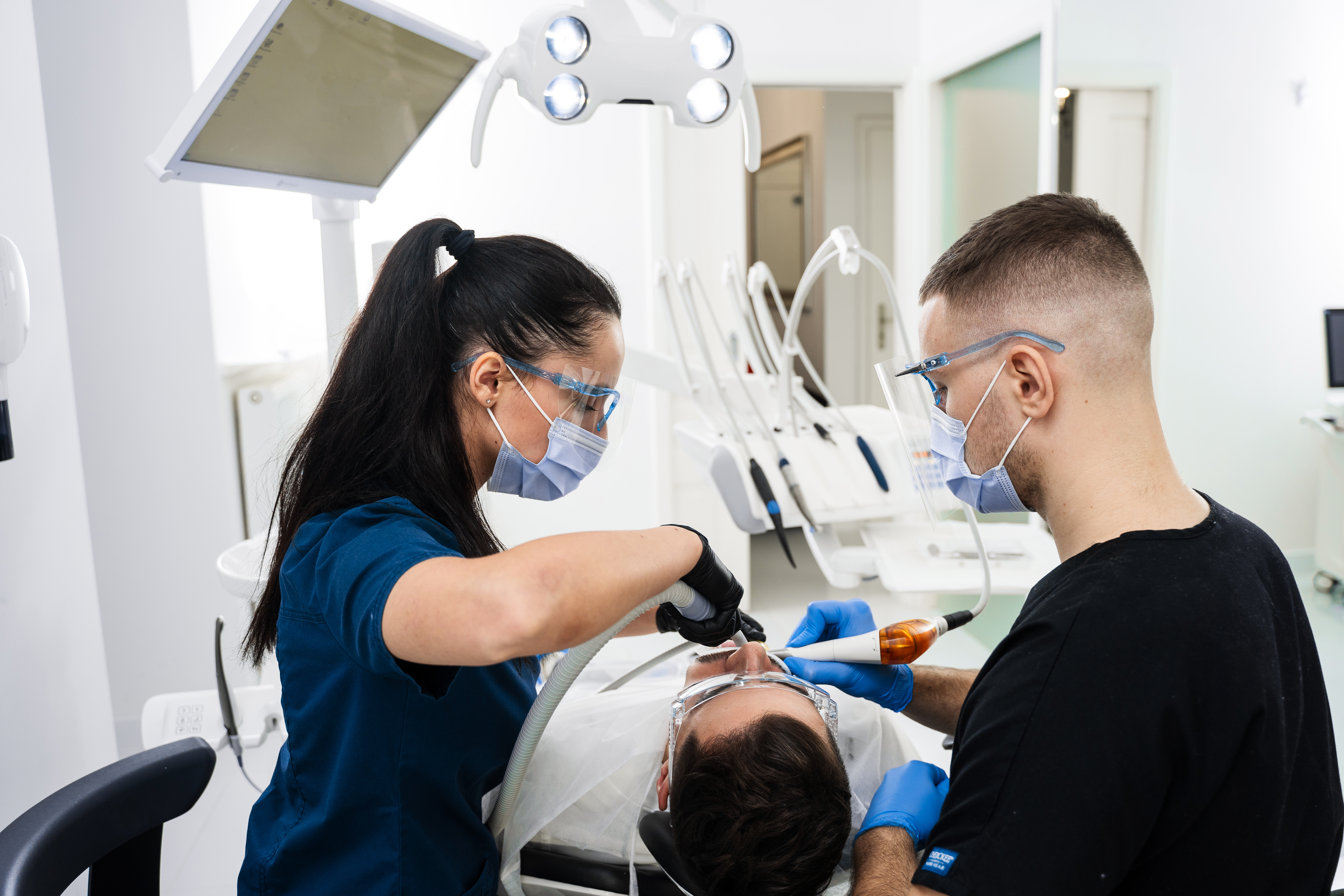
At Dynasty Stomatology, professional teeth cleaning follows a clear clinical protocol. Each step of the procedure is carefully designed.
The procedure takes place in a calm, comfortable environment and takes about an hour on average. The clinic’s specialists explain each step in detail, ensuring you fully understand what’s happening and why it’s necessary.
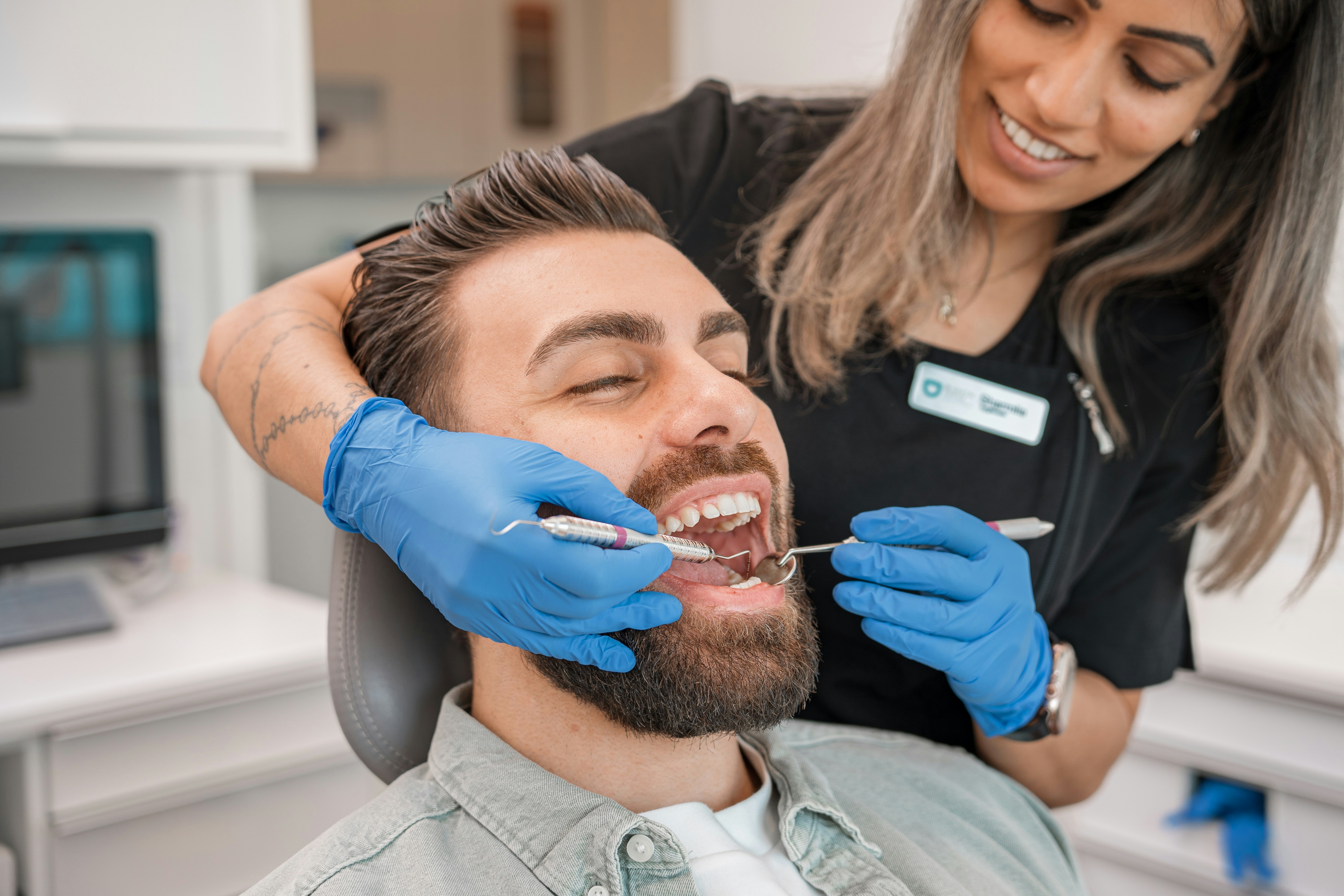
At our clinic, a visit always begins with a thorough visual and instrumental dental examination. The specialist carefully assesses the condition of the gums and enamel, and checks for hidden dental issues that the patient may not notice.
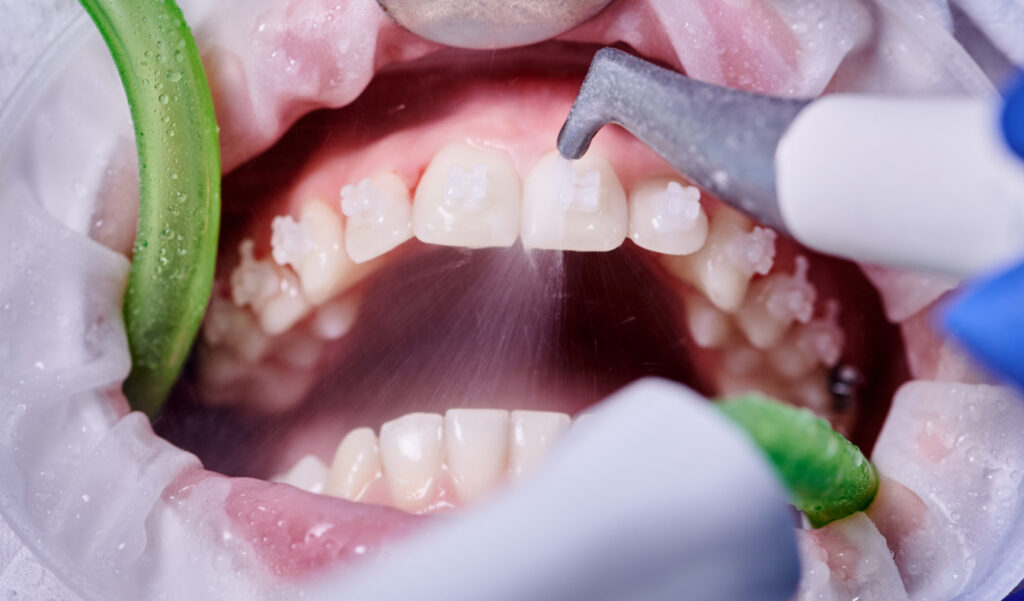
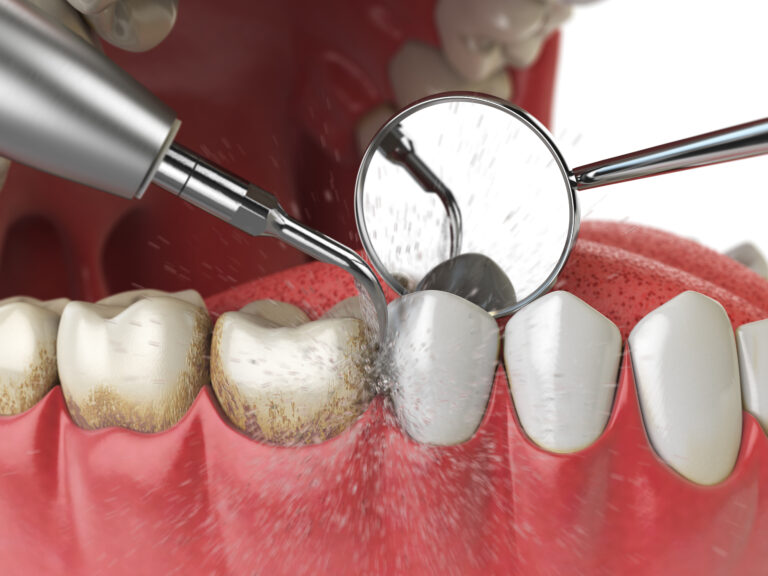
The scaling and polishing stage is aimed at gently and effectively removing plaque and tartar from both the tooth surface and beneath the gums. Modern ultrasonic devices and hand instruments are used to perform safe and precise tartar removal without damaging the enamel.
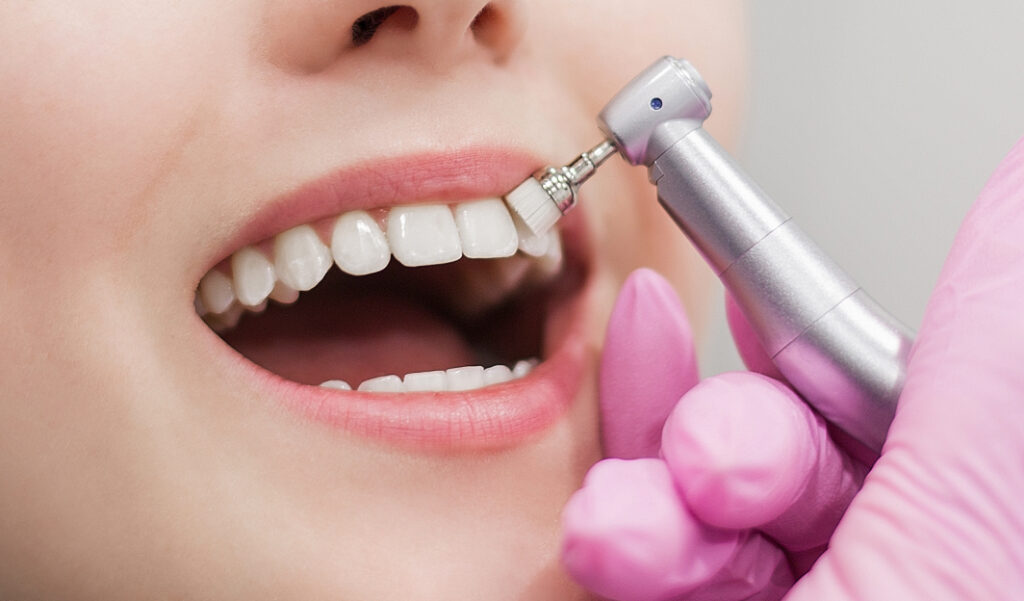
After removing plaque, we polish the teeth with a professional paste. This procedure smoothes the enamel surface and slows the re-accumulation of plaque.
The dental hygienist carefully cleans interdental spaces with floss, removing debris from hard-to-reach areas, and demonstrates proper flossing techniques for home care.
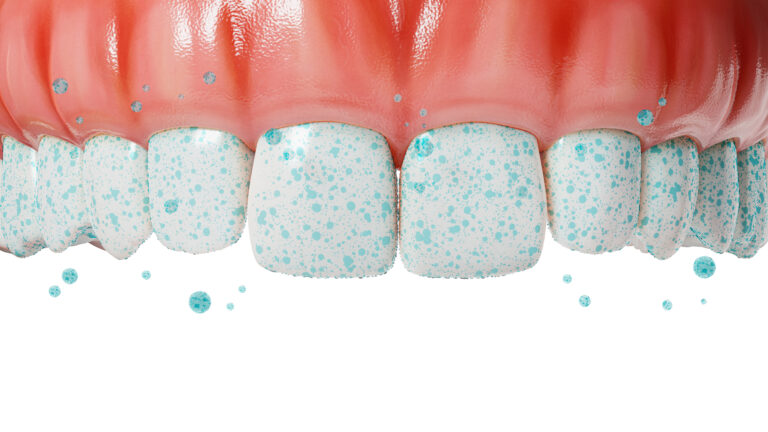
At the end of the procedure, a fluoride gel is applied, which strengthens the enamel and helps prevent dental caries, reducing tooth sensitivity and increasing their resistance to acids.
Professional Hygiene — Common Services in a Dental Clinic
At Dynasty Stomatology, we view professional hygiene as the foundation of a healthy smile and safe treatment. It’s not a single procedure, but a comprehensive set of solutions for various clinical needs. We tailor our care to your individual needs, taking into account the condition of your teeth, gums, treatment plan, and lifestyle. Here are the professional hygiene services we offer:
Oral sanitation before medical procedures
Performed before dental surgery and complex treatments. A clean environment reduces the risk of infection, accelerates healing, and improves the predictability of results.
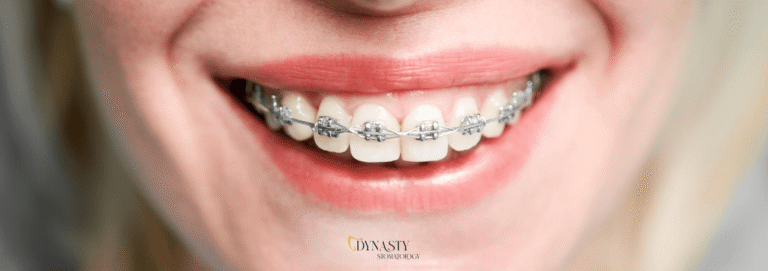
Professional hygiene for braces
Patients with orthodontic systems require enhanced oral hygiene practices. Orthodontic systems make self-care difficult, so professional cleaning helps prevent gum inflammation and enamel demineralization.
Preventive Examinations
A routine dental checkup includes hygiene monitoring and is part of regular dental prophylaxis. We assess tissue condition, identify risks, and adjust home care.
Fluoridation and Remineralization of Teeth
Mineral therapy helps maintain optimal oral hygiene, strengthens enamel, and reduces tooth sensitivity.
Air Flow Teeth Cleaning
A modern technique for aesthetic teeth cleaning that uses the air-powder method. Effectively removes stains and restores the natural shade of enamel.
Tartar removal
Professional plaque removal protects tissue from inflammation, prevents gum disease, and maintains oral health.
The Process of Professional Dental Cleaning
A professional cleaning is a consistent and well-thought-out procedure. Each stage addresses a specific issue and makes the treatment safe, comfortable, and effective. Let’s examine each stage in detail.
The appointment begins with a diagnosis. The specialist carefully evaluates the condition of the teeth, gums, and mucous membranes to understand the overall oral health picture. The presence of inflammation, bleeding, plaque buildup, and sensitive areas is checked.
Next comes the main part of the cleaning. Both hardened tartar and soft plaque are gently removed from tooth surfaces and beneath the gums. These deposits are where oral bacteria thrive, causing cavities, bad breath, and gum inflammation. Ultrasonic and hand instruments are used to effectively clean hard-to-reach areas without damaging the enamel.
After removing plaque, the teeth are polished with a special paste. The surface becomes smooth and shiny. Plaque adheres to smooth enamel much more slowly, so the clean effect lasts longer.
The specialist thoroughly cleans the interdental spaces. This procedure completes the mechanical cleaning and leaves the patient feeling completely fresh. Additionally, the dentist can show the patient how to properly floss at home to ensure their daily care is just as effective.
Afterwards, a fluoride solution is applied to the teeth. This strengthens the enamel, reduces sensitivity, and makes teeth more resistant to acids and cavities.
The patient receives personalized oral hygiene instructions. The specialist demonstrates proper dental care at home and explains key oral hygiene techniques. Recommendations are tailored to the individual, taking into account the bite, tooth density, gum condition, and lifestyle.
Finally, the doctor examines the oral cavity once again to ensure the quality of the procedure. The condition of the gums, the cleanliness of hard-to-reach areas, and the overall result are monitored. The patient receives recommendations for further care and a schedule for future visits.
Is a Professional Dental Cleaning Necessary?
Yes, it is. Even with good home care, plaque remains in hard-to-reach places. Over time, it hardens, turns into tartar, and without regular professional teeth cleaning, it is impossible to remove at home. This deposit triggers gum inflammation, which eventually leads to gum disease, and in advanced cases, to serious periodontal disease.
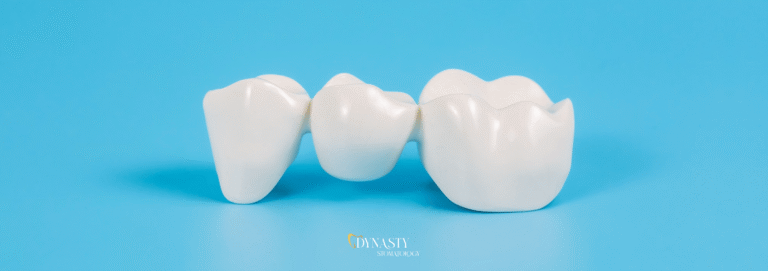
Professional hygiene is especially important for patients with fillings, crowns, and orthopedic restorations. Plaque accumulates more quickly in the joint areas. Those with dental implants require special attention, as inflammation of the tissue around the implant can affect its stability.
How Often Should You Get a Professional Dental Cleaning
In most cases, patients only need to have regular professional dental cleanings every six months. During this period, plaque doesn’t have time to mineralize in large quantities, and the risk of inflammation remains minimal. This schedule is considered optimal for maintaining healthy teeth and gums.
However, there is no universal schedule. Patients at risk — those with sensitive gums, crowded teeth, orthodontic appliances, or a tendency to tartar buildup—may require more frequent cleanings.
Benefits of Regular Dental Cleanings
Regular professional teeth cleaning provides clear and tangible benefits for your oral health. Here are the main ones:
Removing plaque reduces the number of bacteria that destroy enamel and cause cavities.
Professional cleaning reduces gum inflammation and the risk of periodontal disease.
Removing bacterial deposits helps eliminate the source of bad breath.
During the procedure, the dentist can detect changes at an early stage and prescribe timely treatment.
Prevention is less expensive than treating complications and restorative procedures.
Regular cleaning maintains oral health and helps preserve your natural teeth longer.
Tips to Implement a Dental Cleaning Correctly
Here are our recommendations to help you maintain the results of a professional dental cleaning and keep your teeth and gums healthy between visits.
Tooth brushing frequency
To consistently maintain good oral hygiene, it is important to brush your teeth at least twice a day — in the morning after breakfast and in the evening before bed.
Duration of tooth brushing
Each brushing session should take at least two minutes. Too quick a procedure doesn’t allow for thorough cleaning of all tooth surfaces, especially the back and interdental spaces. Thorough brushing combined with the technique demonstrated by our dental hygienist helps ensure maximum protection against plaque.
Choose the right toothbrush
Use a toothbrush with medium-hard bristles to avoid damaging your enamel and gums. Whether you choose an electric or manual toothbrush is a matter of convenience, but the most important thing is to use gentle and even strokes. Choosing the right toothbrush is a personalized process: our specialist will help you choose the best option for your tooth type and gum condition.
Other instruments for dental cleaning
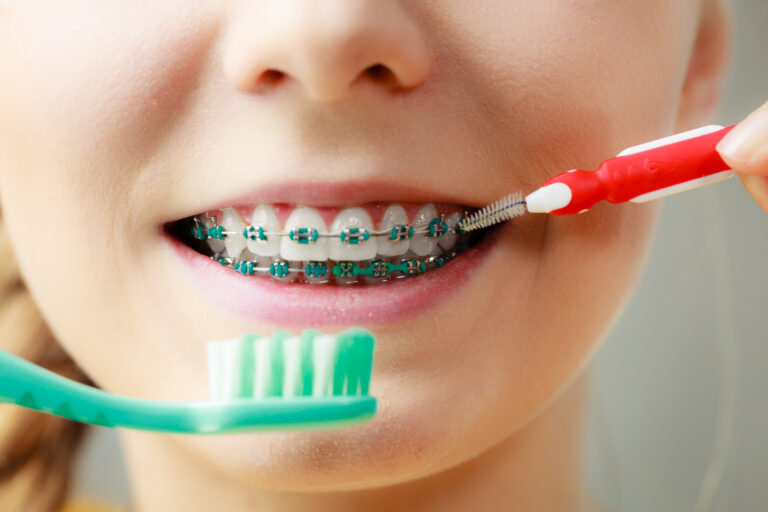
Using dental floss, interdental brushes, and mouthwash complements your oral hygiene regimen. They help clean areas your brush can’t reach and maintain the results of a professional cleaning between appointments.
Home hygiene is important and part of proper oral hygiene practices. With proper technique and regularity, you’ll not only maintain the effectiveness of your brushing but also reduce the risk of future dental issues, maintaining good oral health for a long time.
Dental Professional Hygiene — Conclusion
Professional dental hygiene is an important part of comprehensive dental care and maintaining healthy gums. Regular dental hygiene appointments help identify early oral health issues, prevent the need for major dental work, and minimize dental treatments in the future.
Each professional dental cleaning appointment includes an examination, a dental exam, deep cleaning, and training in proper oral hygiene techniques so patients can maintain results at home. Dental hygienists play a crucial role in educating patients and selecting optimal care products, using professional instruments and disposable dental mirrors for safe practice.
Ultimately, good oral hygiene is essential, and regular hygiene appointments and professional dental cleanings keep your smile healthy, beautiful, and protected from the most common dental problems. Neglecting them means risking complications and complex dental work, but systematic care is the path to stable, high-quality dental healthcare.
Frequently Asked Questions About Professional Dental Cleaning
Who is an oral hygienist?
An oral hygienist is a trained professional and one of the members of the dental team who specializes in preventive care. They help maintain healthy gums, remove dental plaque, and educate patients on proper oral hygiene habits. Dental hygienists also assist in planning treatments and work closely with dentists to ensure comprehensive care.
How does the first consultation with the hygienist usually work?
During your first dental appointment, the hygienist will perform a thorough assessment of your teeth and gums. They review your medical history, check for signs of poor oral hygiene, and explain the recommended dental hygiene treatment. The consultation includes advice on hygiene at home to support regular dental cleanings.
What happens during a dental hygienist appointment?
A typical dental hygienist appointment may include scaling, polishing, flossing, and fluoride application. Different types of dental cleaning can be performed depending on your needs — from a single dental cleaning to deep cleaning for more complex cases. Dental hygienists use specialized instruments to remove dental plaque safely and effectively.
How often should you see a dental hygienist?
Most patients benefit from professional teeth cleaning every six months. This helps prevent cavities, dental procedures, and gum disease. Benefits of seeing a dental hygienist regularly include early detection of oral health issues and the reinforcement of effective dental care routines.
Is it too late to start seeing a dental hygienist?
It is never too late. Even if you have a history of poor oral hygiene, starting regular dental cleanings can improve your oral health. A dental hygienist or dentist can guide you through the process and design a personalized plan that combines in-clinic treatment and hygiene at home.
Do dental hygienist appointments hurt?
Most dental hygiene treatment visits are comfortable and gentle. If someone has sensitive gums or poor oral hygiene, a dentist may adjust the procedure to make it more comfortable.
Your First Step to Healthier Teeth and Gums
If you feel you may need a professional dental cleaning, don’t delay your visit. Our dental health experts with advanced professional training will evaluate your condition and explain which care is the best part of the dental prevention plan for you. Remember, hygiene is essential for overall health, and dentists and dental hygienists work together to protect every dental patient’s smile and long-term dental health care. Book a consultation to take the first step toward healthier teeth and gums.