
Malocclusion – Types, Symptoms, Treatment

11.05.2026
160
9 min. read
Why Patients Trust Dynasty Stomatology
The trust in Dynasty Stomatology is built on a combination of many years of experience and an individual approach to every patient. We understand that a visit to the dentist is often accompanied by anxiety, so we place special emphasis on creating a comfortable and calm atmosphere where every patient feels safe.
The clinic is equipped with modern technology and uses advanced treatment methods, ensuring that procedures are carried out with maximum precision, efficiency, and comfort. All materials undergo strict quality control, and our doctors regularly improve their qualifications to offer only the most up-to-date and proven techniques.
In addition, Dynasty Stomatology values long-term relationships with patients. Our goal is not only to solve the problem at hand but also to maintain the health of teeth and gums for years to come. Openness, honesty, and transparency are the key principles that have earned the clinic its reputation as a reliable dental partner.
Facts about Dynasty Stomatology:
✅ Over 10 years of successful work in dentistry.
✅ Hundreds of positive reviews from patients in Poland and abroad.
✅ We use premium materials from leading global brands.
✅ We offer treatment under sedation and general anesthesia.
✅ A full range of services — from pediatric dentistry to complex surgical operations.
Dynasty Stomatology — trust, expertise, reliability, and care for the beauty of your smile.
Learn about usMedical Expertise
Dynasty Stomatology’s doctors conduct medical reviews of all materials on the website to ensure their accuracy and practical value. Our authors and editors are experienced specialists in the fields of therapeutic, surgical, orthopedic, and pediatric dentistry. This approach allows us to maintain high professional standards and provide our readers with only verified, up-to-date, and useful information.
Most people only think about their bite when something has already gone wrong. Their teeth have started to move apart, chewing has become uncomfortable, or their smile suddenly looks different in photos. In reality, such changes rarely happen suddenly. More often, they are the result of gradual processes that begin unnoticed and don’t cause discomfort for a long time.
A bite problem affects how you eat, speak, and even breathe. It affects the long-term health of your teeth and gums. And the sooner you understand what’s going on with your teeth, the easier and faster it can be corrected.
In this article, we’ll explore what malocclusion is, its different types, why it occurs, and what modern methods help restore a proper bite without pain or stress.
What is malocclusion?
Malocclusion is a misalignment of the teeth and jaws that occurs when the teeth do not come together properly. This condition occurs when the alignment of the teeth is disrupted, leading to a misaligned bite and functional difficulties.
Normally, the upper and lower teeth close evenly and without strain or imbalance. If the balance is disrupted, alignment problems develop, which can worsen over time. Malocclusion often develops gradually, and a person may not notice any changes for a long time.
It’s important to understand that dental malocclusion directly impacts oral health, chewing, and even speech. Early diagnosis helps prevent complications and simplifies treatment.
Malocclusion Types
Malocclusion is typically classified into three main classes. In orthodontics, three classes of malocclusion are commonly distinguished, which describe the position of the jaws and the nature of dental occlusion.
- Class 1 malocclusion is the most common type of malocclusion, in which the bite is generally preserved, but there are localized problems, such as crooked teeth or spacing issues. These cases are often perceived as aesthetic, but can also affect function.
- Class 2 malocclusion (or Class 2) involves the upper jaw being positioned forward. As a result, the upper front teeth noticeably overlap the lower teeth, which can cause excessive pressure on teeth and chewing problems.
- Class 3 malocclusion involves the lower jaw being protruded, affecting the position of the lower front teeth and potentially altering the facial profile. This is a more complex type, often requiring a comprehensive approach.
These are the basic malocclusion types, but within them, various types of malocclusion are distinguished, each describing specific characteristics of the bite.
- Crossbite. A condition in which the teeth do not fit together correctly, with some of the upper teeth positioned within the lower teeth. This leads to functional issues with the bite and can damage enamel and gums over time.
- Open bite. An open bite is a condition in which a gap remains between the teeth when they close together. The front teeth are most often affected, making it difficult to chew food properly and pronounce certain sounds correctly.
- Overbite. Overbite is the excessive overlap of the lower teeth by the upper teeth. A slight overbite is normal; a severe overbite can cause tooth wear and discomfort.
- Overjet. This type is associated with the horizontal protrusion of the upper teeth. It is often accompanied by jaw misalignment and increases the risk of injury to the front teeth.
- Underbite. With an underbite, the lower teeth protrude forward relative to the upper teeth. This condition not only affects aesthetics but also may require surgical jaw correction in severe cases.
Symptoms of malocclusion
The main symptoms of malocclusion can manifest differently depending on the severity of the malocclusion. In the early stages, they often remain unnoticed but become more pronounced over time.
The most common signs include:
- Cheek biting.
- Difficulty chewing.
- Speech problems.
- Misaligned teeth.
- Mouth breathing.
In many cases, malocclusion may not cause obvious discomfort for a long time. However, it is the early signs of malocclusion that allow the problem to be identified before serious consequences arise and treatment to begin promptly.
Causes of Malocclusion
Determining the cause of malocclusion is a key step in determining the effectiveness of treatment. In practice, multiple factors are often involved, so it’s important to consider all common causes of malocclusion as a whole.
- Genetics. One of the main underlying causes. The size and shape of the jaws are inherited, often resulting in tooth crowding or, conversely, gaps between teeth.
- Poor-quality restorations. Incorrectly placed crowns, fillings, or bridges can contribute to malocclusion. Over time, this leads to effects on overall oral function.
- Impacted teeth. Teeth that haven’t erupted or are growing in the wrong direction can cause teeth to shift and disrupt the overall balance of the bite.
- Children’s habits. Prolonged thumb or pacifier sucking directly affects bite development. This is especially important in the context of malocclusion in children, when baby teeth are still forming, and the future dental structure is being laid.
- Bruxism. Teeth grinding wears down enamel and alters tooth contact. Over the long term, this can cause malocclusion and worsen existing problems.
- Tooth loss. Even the loss of a single tooth disrupts the distribution of force. Neighboring teeth begin to shift, so it’s important to replace them promptly to help prevent further changes.
- TMJ disorders. Temporomandibular joint problems often cause functional bite problems and discomfort when chewing.
- Rare pathological conditions. In rare cases, tumors can affect the position of the teeth and jaw, causing severe deformities.
Complications of Malocclusion
If left untreated, malocclusion can lead to a gradual deterioration of the teeth and the entire dental system. Initially, the changes may seem minor, but over time they intensify and begin to impact quality of life.
The main consequences include:
- Gum recession.
- Development of gum disease due to difficulty caring for teeth.
- Jaw pain and tension.
- Problems chewing food and, as a result, eating disorders.
- Sleep disturbances, including breathing problems.
- Increased enamel wear and tooth wear or damage.
It is important to understand that malocclusion can lead not only to localized dental problems but also to functional impairments, such as joint and muscle strain.
This is especially true in cases of severe malocclusion. Severe cases of malocclusion are often accompanied by chronic pain, noticeable facial asymmetry, and the need for more complex treatment.
How is Malocclusion Diagnosed?
Diagnosis begins with an initial orthodontic consultation, during which the doctor evaluates the overall condition of the bite, the position of the teeth, and the function of the jaw. Even at this stage, the specialist can notice obvious deviations and determine whether a more in-depth examination is required.
Several methods are used for an accurate assessment:
- Dental impressions allow the creation of a model of the jaw and a detailed study of the occlusion of the teeth.
- X-rays help visualize the position of the roots, bone tissue, and hidden problems.
- Photographs are used to analyze the bite and the aesthetics of the smile.
A comprehensive diagnosis allows not only to document current changes but also to understand how they will develop. This is especially important when planning treatment.
Based on the data obtained, the doctor assesses the severity of the malocclusion and determines whether the patient requires treatment. This information then forms the basis for a personalized correction plan that takes into account both functional and aesthetic considerations.
What Are the Treatment Options for Malocclusion?
There are many treatment options for malocclusion, and the appropriate method always depends on the severity of your malocclusion and the underlying causes. In some cases, minimal correction is sufficient, while in others, a comprehensive approach involving multiple specialists is required.
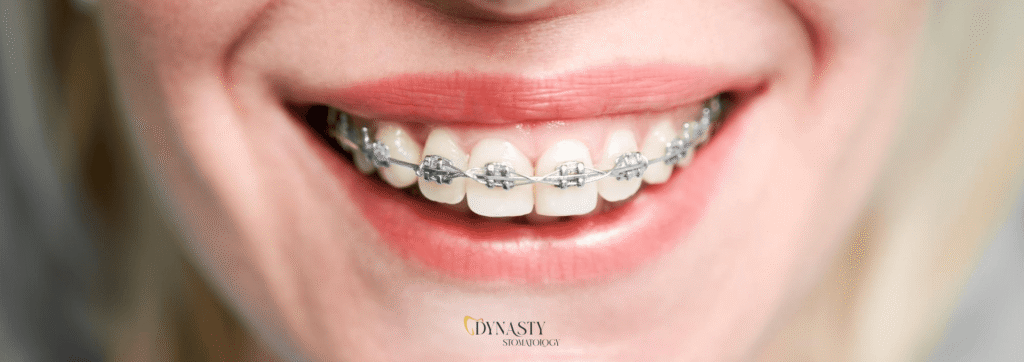
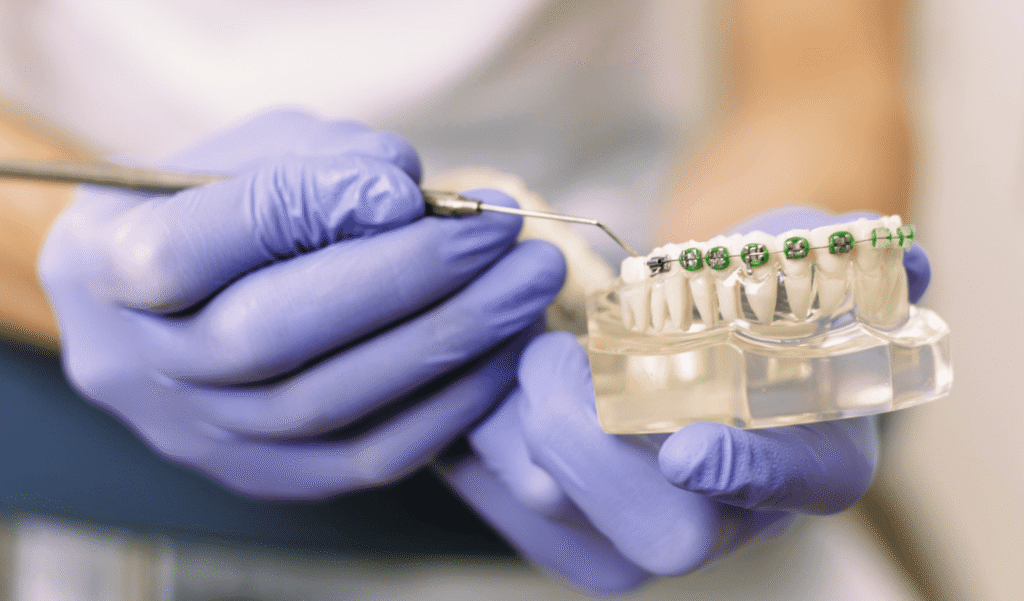
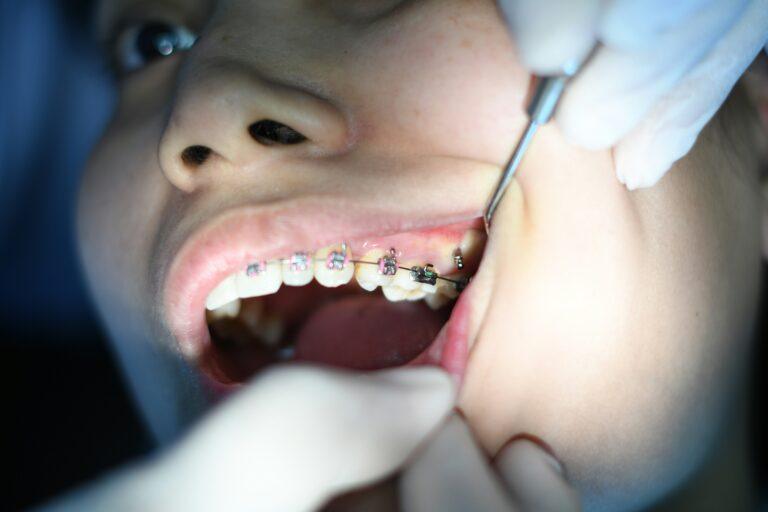
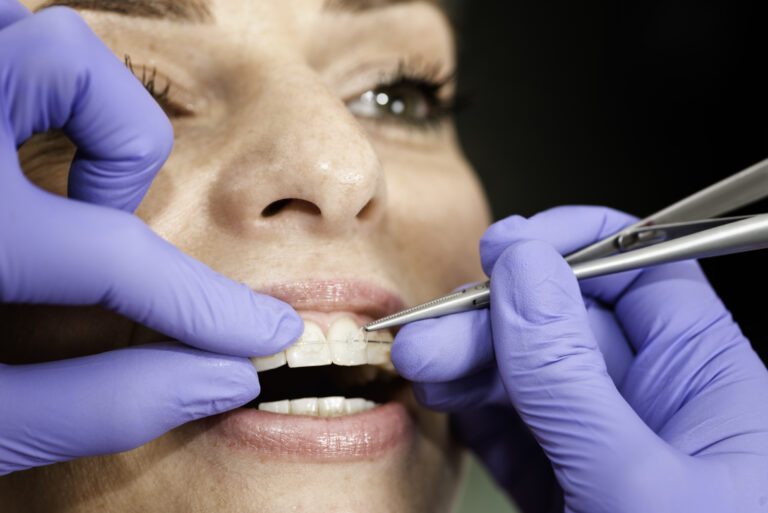
Orthodontic braces treatment is a time-tested and one of the most effective methods of correction. The process uses braces and various orthodontic appliances to move teeth into the correct position gradually. This approach is well-suited for severe problems, including teeth straightening and crooked bite correction.
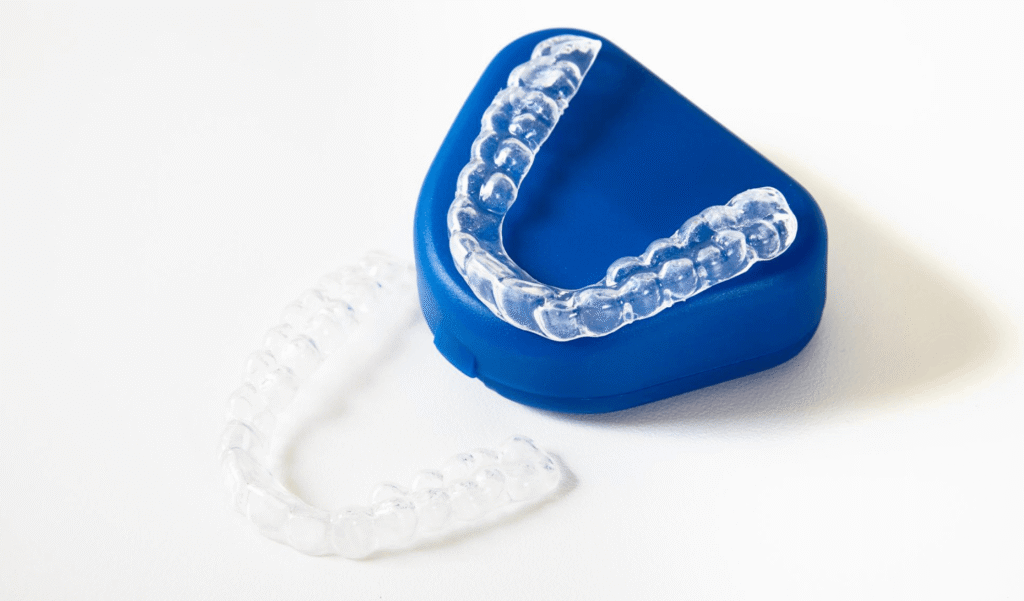
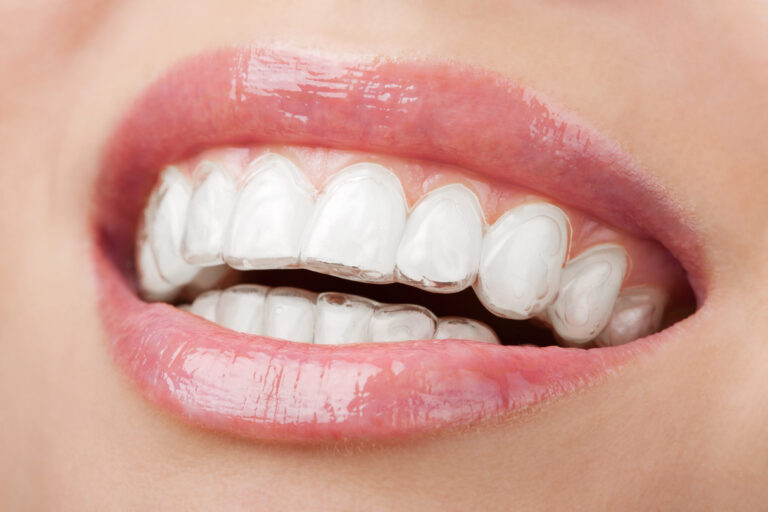
A modern alternative is clear aligner therapy. These transparent trays are almost invisible on the teeth and are comfortable for everyday use. They are effective for gentle and gradual bite correction, especially for mild to moderate problems.
In complex cases where the problem is related to jaw position, surgery is required. This is aimed at surgical jaw correction and can correct severe skeletal discrepancies.
Sometimes, dental restoration with crowns, bridges, or implants is necessary. This helps restore proper function and stabilize the bite.
In cases of severe crowding, individual teeth may need to be extracted to create space and facilitate alignment.
Each treatment plan is individually tailored. It’s important to remember that treatment depends on the type of disorder, its complexity, and the overall condition of the dental system.
Can Malocclusion Be Prevented?
It’s impossible to eliminate the risk of developing malocclusion, but you can significantly reduce its likelihood and prevent malocclusion in its early stages.
Prevention is based on simple but systematic measures:
- Good oral hygiene is key to maintaining dental health and proper tooth alignment.
- Timely replacement of lost teeth to prevent displacement of adjacent teeth.
- Regular dental checkups to monitor the condition of the bite.
- Monitoring childhood habits that can affect the development of teeth and jaws.
It is especially important to focus on prevention during childhood, when the bite is still developing. Early detection of abnormalities helps avoid complex treatment later.
Conclusion
Malocclusion often develops gradually and can remain undetected for a long time. This is why many patients seek dental care only when the problem has become severe and has progressed to severe malocclusion, affecting the function of the dental system.
At Dynasty Stomatology, we take a comprehensive approach to treatment, taking into account the individual needs of each patient to ensure long-term dental and bite health and an aesthetically pleasing outcome.
FAQ
-
How common is malocclusion?
Malocclusions are very common — they're one of the most widespread dental problems. There are different types of malocclusion, and most people exhibit one or another. It's important to understand that even mild forms require attention to avoid complications. Early detection of malocclusion helps identify the issue and begin correction in time.
-
Is malocclusion painful?
Not always. Initially, malocclusion occurs without pain, but over time, discomfort in the jaw and teeth may develop. If there is a significant bite issue, the load is distributed incorrectly, causing tension. Malocclusion can also affect facial muscles and cause fatigue when chewing.
-
Can malocclusion be fixed without braces?
Yes, in some cases this is possible. For example, clear aligners are used to gently straighten teeth. This type of orthodontic treatment is suitable for mild to moderate problems. The key is to choose the right treatment after diagnosis.
-
Is malocclusion hereditary?
Yes, genetics play a significant role. Understanding the causes of malocclusion reveals that jaw structure is often inherited. However, external factors also play a role, and understanding the causes of malocclusion helps determine a more precise treatment strategy.
-
What age is ideal for malocclusion treatment?
It's best to begin treatment in childhood, but treatment is possible at any age. It's important to consider the timing of tooth loss in children, as this affects the development of the bite. Modern dentistry allows for effective treatment of malocclusion even in adults.
-
Can untreated malocclusion cause other health issues?
Yes, and this is quite common. Malocclusion can also lead to problems with gums, joints, and even digestion. In advanced cases, malocclusion can include chronic pain and sleep disturbances. Therefore, it is important not to delay treatment.
-
What can I expect if I have dental malocclusion?
If dental malocclusion is present, the doctor will evaluate the malocclusion of the teeth and propose a treatment plan. This typically includes diagnostics and step-by-step correction.
-
Can malocclusion affect my posture or neck pain?
Yes, such a connection exists. Malocclusion can affect jaw position, which in turn affects the neck and back muscles. An incorrect bite pattern can cause chronic tension. In some cases, correction improves the condition.
-
When should I see my healthcare provider?
It's worth contacting a specialist at the first sign of symptoms, especially if you notice early signs of malocclusion, such as tooth displacement or discomfort. The sooner treatment is started, the easier it is to achieve results.
-
Are retainers useful for malocclusion?
Yes, retainers help secure the results. After the main stage of orthodontic correction, the retention period begins. This is part of the process, without which the results may be unstable. Retainers maintain the results of bite alignment treatment.
-
Can malocclusion be diagnosed in a child before permanent teeth come in?
Yes, it is possible. Even during the bite formation stage, a dentist can notice malocclusion of the teeth. Early diagnosis allows for orthodontic correction before serious problems develop. This reduces the complexity of treatment later.
-
Does fixing malocclusion change facial appearance?
Yes, changes are possible, especially if there were significant spacing issues or jaw misalignment to begin with. After treatment, the face looks more harmonious and the smile more natural. Treatment plans consider both aesthetics and function.
Take the First Step Towards a Perfect Smile
If you’ve been thinking about straightening your teeth or have noticed changes in your bite, now is the time. At Dynasty Stomatology, we understand that behind every smile lies health, comfort, and self-confidence.
Our team approaches treatment comprehensively. We help you understand malocclusion, explain the different types and classes, and assess your specific type of bite. Whether the concern is misalignment of teeth, spacing issues teeth, or more complex malocclusion of teeth, we create a personalized plan designed to treat malocclusion effectively.


Do you want to treat your teeth while you sleep?
Schedule an appointment!
By clicking the button, you give your agreet your personal data in accordance with privacy policy.
Services related to this topic
All services-
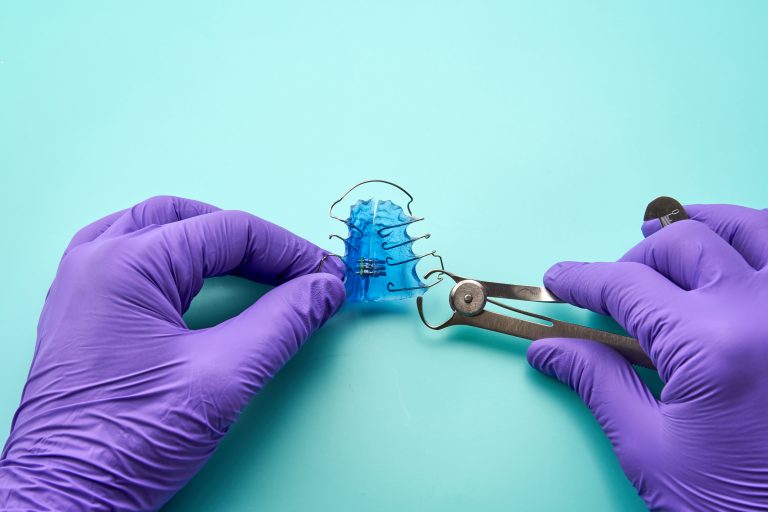
Orthodontic plates and appliances for children and adults
Bite disorders are a common dental problem in both children and adults. If uncorrected, occlusal disorders can lead to difficulties in hygiene, inc...
To the service -
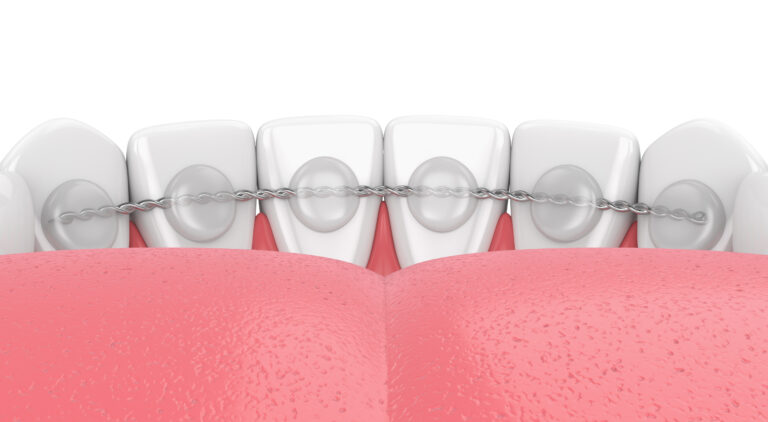
Retainers
Retainers are dental appliances attached to the teeth custom-made to keep the position of your teeth in place after an orthodontic treatment. Once ...
To the service -
Self-ligating braces
Braces play a significant role in dental care for orthodontic treatment and smile aesthetics. One of the major developments in modern dentistry tod...
To the service -
Aligners
Aligners are an innovative and nearly invisible alternative to traditional braces designed to straighten teeth and correct bite issues. They are cl...
To the service -
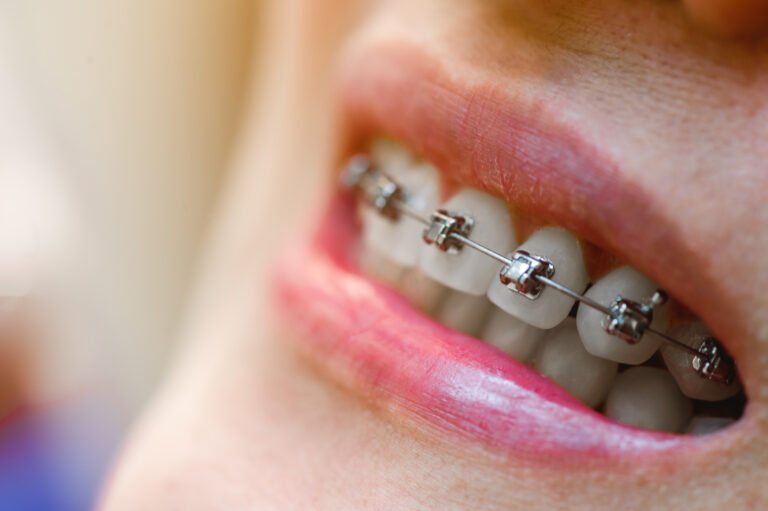
Metal braces
Metal braces are a classic orthodontic appliance designed to correct malocclusion and align the teeth. This brace system is suitable for both teena...
To the service -
Ceramic braces
Ceramic braces are a modern and aesthetic way to correct malocclusion and straighten the tooth row. They are made from a durable ceramic material t...
To the service -
Braces Installation
Orthodontics primarily deals with the diagnosis, prevention and correction of teeth and jaws that are misaligned with each other. Oral hygiene and...
To the service -
Bite correction in Prague
Malocclusions occur when the jaw or teeth are not aligned correctly. This affects your smile, makes it hard to chew, and causes discomfort. Bite co...
To the service


Read also
View all blog-
07.07.2026
9
13 min. read
Cavity – causes, symptoms and treatments
Most people think of tooth decay as simply a small hole in the tooth that will eventually need to be filled. In fact, it begins much earlier. Month...
Read more -
03.07.2026
31
8 min. read
Dental Pulpitis Treatment — Saving a Tooth From Pain and Loss
Have you ever experienced a sudden, sharp toothache? It might seem like a reaction to something cold or the aftereffects of eating something sweet....
Read more -
02.07.2026
36
12 min. read
How to Fix Tooth Sensitivity – The Complete Guide to Fast Relief and Permanent Solutions
Have you ever felt a sharp pain when taking a sip of hot coffee or eating your favorite ice cream? One day, everything was fine, but the next, your...
Read more -
30.06.2026
58
10 min. read
Endodontic Retreatment – Why Root Canal Treatment Sometimes Needs to Be Repeate
Most people believe that root canal treatment solves the problem forever. In most cases, this is precisely what happens. However, sometimes, after ...
Read more -
08.06.2026
79
9 min. read
What is Oral Thrush – Symptoms, Treatment and Prevention
Have you noticed a white coating on your tongue that doesn’t go away even after brushing your teeth? Or a strange burning sensation in your m...
Read more -
05.06.2026
70
8 min. read
Dental Care For Pregnant Women – What you need to know
Pregnancy affects nearly every part of the body — including teeth and gums. Many women notice bleeding gums, increased sensitivity, or sudden tooth...
Read more -
03.06.2026
146
11 min. read
What to Do After a Wisdom Tooth Extraction – a Guide to Healing and Care
Going to the dentist to have a wisdom tooth removed often brings fear and many questions, both before and after. For example, is it normal for my c...
Read more