
How to Fix Tooth Sensitivity – The Complete Guide to Fast Relief and Permanent Solutions


02.07.2026
36
12 min. read
Why Patients Trust Dynasty Stomatology
The trust in Dynasty Stomatology is built on a combination of many years of experience and an individual approach to every patient. We understand that a visit to the dentist is often accompanied by anxiety, so we place special emphasis on creating a comfortable and calm atmosphere where every patient feels safe.
The clinic is equipped with modern technology and uses advanced treatment methods, ensuring that procedures are carried out with maximum precision, efficiency, and comfort. All materials undergo strict quality control, and our doctors regularly improve their qualifications to offer only the most up-to-date and proven techniques.
In addition, Dynasty Stomatology values long-term relationships with patients. Our goal is not only to solve the problem at hand but also to maintain the health of teeth and gums for years to come. Openness, honesty, and transparency are the key principles that have earned the clinic its reputation as a reliable dental partner.
Facts about Dynasty Stomatology:
✅ Over 10 years of successful work in dentistry.
✅ Hundreds of positive reviews from patients in Poland and abroad.
✅ We use premium materials from leading global brands.
✅ We offer treatment under sedation and general anesthesia.
✅ A full range of services — from pediatric dentistry to complex surgical operations.
Dynasty Stomatology — trust, expertise, reliability, and care for the beauty of your smile.
Learn about usMedical Expertise
Dynasty Stomatology’s doctors conduct medical reviews of all materials on the website to ensure their accuracy and practical value. Our authors and editors are experienced specialists in the fields of therapeutic, surgical, orthopedic, and pediatric dentistry. This approach allows us to maintain high professional standards and provide our readers with only verified, up-to-date, and useful information.
Have you ever felt a sharp pain when taking a sip of hot coffee or eating your favorite ice cream? One day, everything was fine, but the next, your teeth suddenly started reacting to cold, hot, or even a blast of cool air. Many people initially ignore it, hoping the discomfort will go away on its own. However, tooth sensitivity rarely occurs without a reason.
According to statistics, millions of people worldwide face this problem. For some, it’s only an occasional issue, while for others, it becomes a daily source of discomfort. Simple pleasures like a cup of tea, fresh fruit, or cold drinks can cause discomfort and even pain.
In this article, we’ll explore why teeth become sensitive, which home remedies actually help relieve the discomfort, when it’s time to see a dentist, and which modern treatments offer long-term relief.
What Is Tooth Sensitivity?
If you experience a sudden twinge when enjoying ice cream or sipping coffee, you may be dealing with tooth sensitivity. This common condition occurs when certain triggers reach the nerves within a tooth and cause discomfort.
Many people describe it as a brief but intense sensation. Others experience lingering discomfort. In most cases, tooth sensitivity is caused by changes in the protective structures of the teeth.
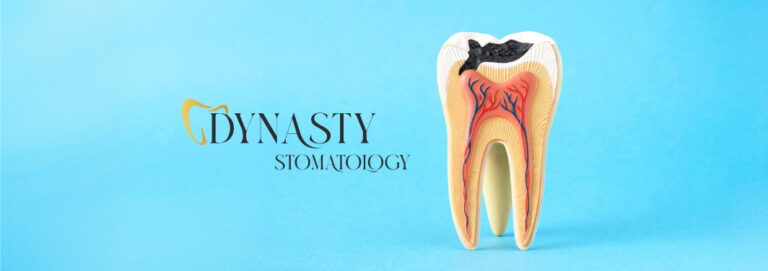
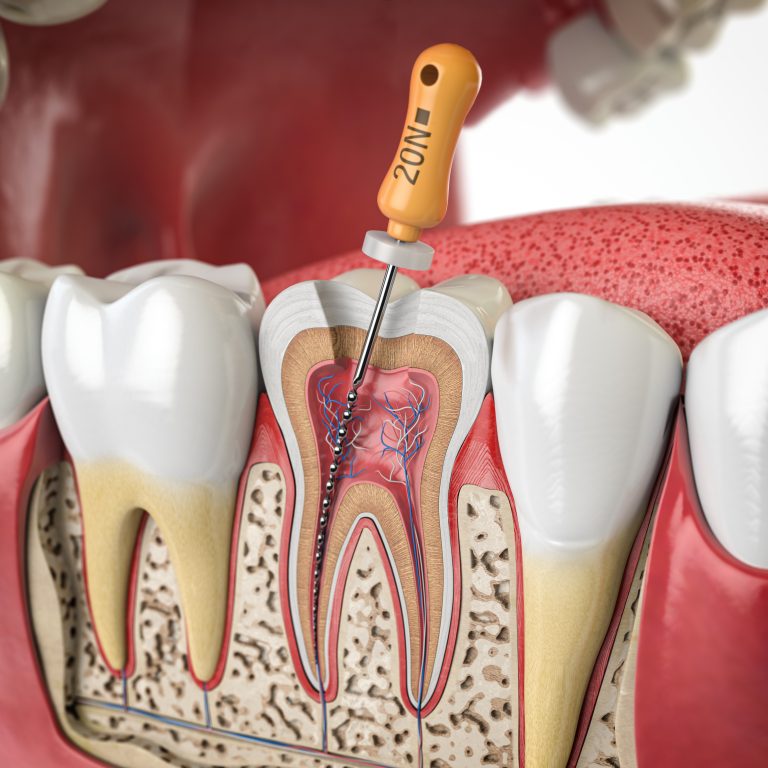
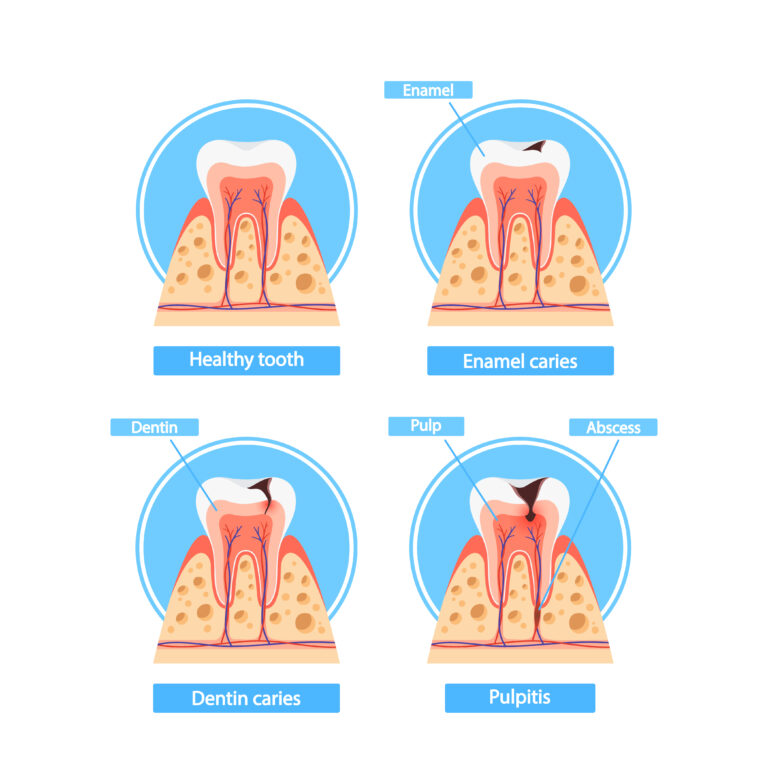
A healthy tooth has several layers. The outer layer of your teeth is protected by enamel. Beneath it lies dentin, which contains microscopic channels leading to the nerve. When these channels become exposed, external stimuli can travel inside the tooth and trigger pain.
Common Causes of Sensitive Teeth
There are many common causes of tooth sensitivity, and identifying the source is essential for successful treatment.
Enamel Erosion from Acidic Foods and Drinks
One of the most common causes of tooth sensitivity is enamel loss. Frequent consumption of acidic foods and drinks can gradually wear away enamel and expose deeper structures. This process, known as enamel erosion and sensitivity, occurs when acids soften and dissolve minerals from the tooth surface. Citrus fruits, soft drinks, wine, and sports beverages may contribute to the problem. Over time, these substances can erode tooth enamel, leaving the teeth vulnerable to external stimuli. When the enamel becomes thinner, the inner layers of the tooth are no longer adequately protected.
Gum Recession Exposing the Root Surface
Another major factor is gum recession. Healthy gums cover and protect the tooth root. When gums pull away from the teeth, they may expose the tooth roots and leave delicate areas vulnerable. Unlike enamel, root surfaces are not designed to withstand constant exposure. As a result, many patients require gum recession treatment to address both cosmetic and functional concerns. The exposure of exposed tooth roots often leads to increased sensitivity to temperature changes.
Tooth Decay or a Developing Cavity
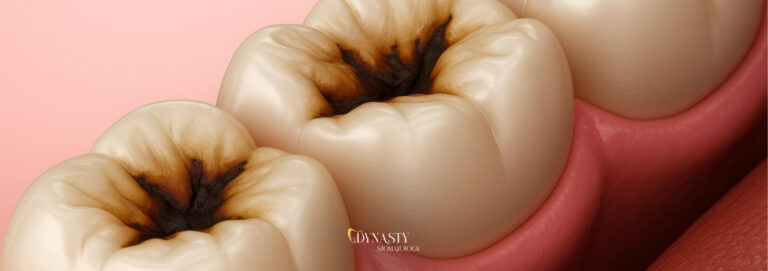
Tooth decay can create openings in the tooth structure. Bacteria penetrate the surface and damage the protective layers. Even a small cavity can become a significant dental issue if left untreated. As decay progresses, it reaches the dentin and eventually affects the nerve tissue. This is one of the most overlooked causes sensitive teeth and may require prompt intervention.
Teeth Grinding (Bruxism)
Many people unconsciously clench or grind their teeth during sleep. Chronic pressure places excessive stress on the enamel and can accelerate wear. Tooth grinding damages the protective surface and may contribute to fractures, recession, and sensitivity.
Brushing Too Hard or Using Abrasive Toothpaste
Aggressive brushing techniques can wear away enamel and irritate the gums. If you use excessive force when you brush your teeth, the protective surface may gradually deteriorate. Abrasive whitening products can worsen the problem. Repeated trauma can affect the sensitive areas of your teeth and increase discomfort.
Recent Dental Treatment
Some patients experience temporary sensitivity after procedures such as fillings, crowns, or teeth whitening. This reaction is usually short-lived. However, persistent symptoms should be evaluated to rule out complications.
A Cracked or Chipped Tooth
Cracked teeth may allow temperature changes and bacteria to reach deeper structures. Even tiny fractures can alter the tooth structure and trigger pain. If a crack extends toward the nerve, treatment becomes necessary.
Why Sensitive Teeth Hurt
To understand why sensitive teeth react so strongly, it helps to know what happens beneath the surface. Dentin contains microscopic tubules connected to the pulp. When exposed, these pathways allow external stimuli to activate the nerves inside your teeth.
Cold air, pressure, sweet foods, or temperature extremes create movement within the tubules. This movement generates pain signals that travel to the brain. As a result, patients may experience sharp pain, temporary discomfort, or prolonged irritation depending on the severity of exposure.
How to Fix Sensitive Teeth at Home — Stop the Zing
Many people assume that sensitive teeth always require professional treatment. While some cases do need dental intervention, many patients can achieve noticeable improvement at home by following the right oral care routine. The goal of home treatment is to reduce irritation, protect exposed areas of the teeth, and create a barrier that prevents external triggers from reaching the nerves.
Choosing the Right Desensitising Toothpaste
Choosing the best toothpaste for sensitive teeth is often the first recommendation from dental professionals because not all products work in the same way. A quality desensitizing toothpaste contains ingredients specifically developed to block pain signals that travel through the microscopic channels inside dentin. Some formulas use potassium nitrate to calm the nerve response, while others contain stannous fluoride that seals exposed tubules and helps protect vulnerable surfaces.
When selecting a product, look for ingredients that can both desensitize exposed dentin and support enamel remineralisation. Using the toothpaste twice daily is important because results usually develop gradually over several weeks rather than overnight.
The Dab Technique for Targeted Relief
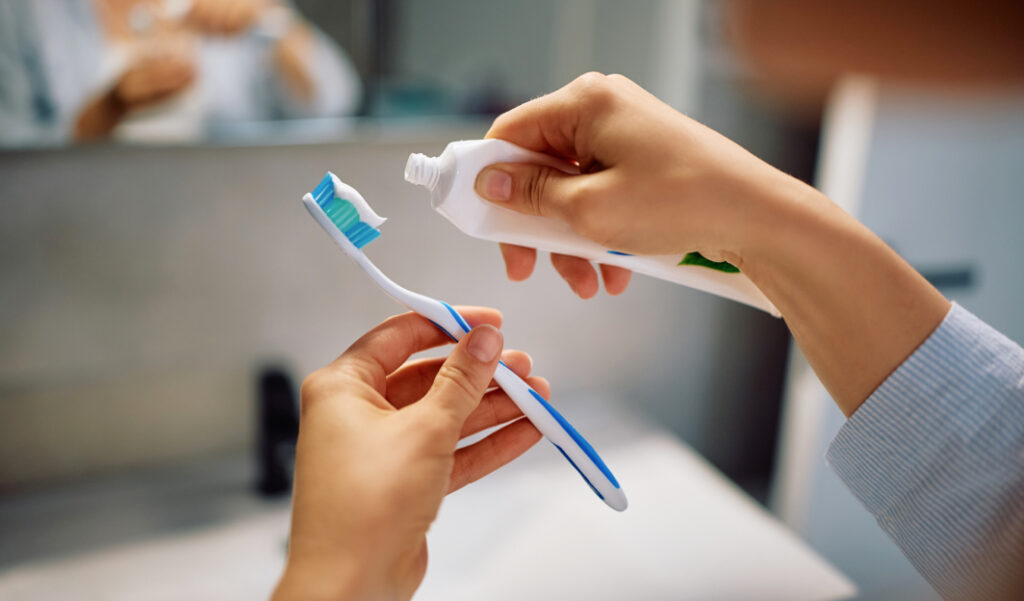
If one particular tooth causes most of your discomfort, the dab technique can be a simple yet highly effective solution. Instead of rinsing immediately after brushing, place a pea-sized amount of toothpaste directly onto the affected area using a clean fingertip. Gently spread the paste over the sensitive spot and leave it in place.
This approach can provide additional tooth sensitivity relief because the active ingredients remain in contact with the tooth surface for a longer period of time. Many dentists recommend applying the toothpaste before bedtime so that it can work overnight without being washed away by food, drinks, or frequent rinsing.
Saltwater Rinses and pH Balancing
When the mouth becomes overly acidic, enamel remains softer and more vulnerable to wear. A simple saltwater rinse can help maintain a healthier oral environment. To prepare it, dissolve half a teaspoon of salt in a glass of warm water and rinse gently for 30 seconds. Although saltwater does not directly cure sensitivity, it may reduce irritation, soothe inflamed tissues, and support healthier teeth and gums.
Soft-Bristle Strategy
One of the most common mistakes people make is trying to scrub their teeth aggressively in an attempt to keep them cleaner. Unfortunately, excessive force can do more harm than good. A soft-bristled toothbrush is essential when sensitivity is present. Hard bristles and aggressive brushing may wear away enamel and irritate the gums, exposing vulnerable areas near the root surface.
Use gentle circular motions rather than harsh back-and-forth scrubbing. Dental professionals recommend that you brush your teeth twice daily using proper technique and light pressure.
Different desensitising ingredients work in different ways. The table below compares the most commonly used options and the typical timeframe for results.
| Ingredient Type | Function | How Fast It Works |
| Potassium Nitrate | Calms the tooth nerve and reduces sensitivity signals | 2–4 weeks of daily use |
| Stannous Fluoride | Seals dentin tubules and protects exposed surfaces | 1–2 weeks of daily use |
| Hydroxyapatite | Helps rebuild and remineralise enamel | 2–3 weeks of daily use |
| Arginine | Forms a protective layer over exposed dentin | Often provides rapid relief |
Tooth Sensitivity Treatment — How Your Dentist Fixes Sensitivity for Good
When home care is not enough, professional treatment may be necessary. Many modern sensitive teeth treatment options address the underlying problem rather than simply masking symptoms.
Professional Fluoride Varnishes and Gels
One of the most effective approaches is professional fluoride application. We may use varnishes, gels, or a specialized professional fluoride treatment to strengthen vulnerable surfaces. A carefully administered fluoride treatment helps remineralize enamel and protect exposed dentin. In many cases, this approach can significantly reduce sensitivity and improve comfort within a few visits.
Dental Bonding and Sealants
When dentin is exposed, we may recommend dental bonding. This procedure covers vulnerable surfaces and protects them from triggers. Bonding materials effectively seal exposed areas and can provide immediate relief.
Laser Dentistry for Sensitivity
Laser technology is increasingly used to manage persistent symptoms. Laser treatment can help seal dentinal tubules and reduce nerve responsiveness. It may also stimulate healing in gum tissues.
Treating the Root Cause — Gum Grafts and Surgical Solutions
If the recession is severe, addressing the root cause becomes essential. Soft tissue grafting may cover exposed roots and restore protection.
Fixing Phantom Sensitivity
Sometimes patients continue to feel discomfort even when no obvious damage is visible. Determining the cause of your sensitivity requires a detailed examination. Hidden cracks, bite problems, or nerve-related conditions may be involved.
When Professional Dental Assessment May Be Needed
Although mild tooth sensitivity can sometimes improve with proper home care, certain symptoms should never be ignored. In some cases, sensitivity may be a sign of an underlying dental problem that requires professional attention. It is important to schedule a dental examination if you notice any of the following:
- Sensitivity that persists for more than a few weeks or continues to worsen over time. While temporary discomfort may resolve on its own, ongoing symptoms can indicate a deeper issue affecting the tooth or surrounding tissues.
- Sharp or throbbing tooth pain that remains even after the hot, cold, or sweet trigger has been removed.
- Sensitivity that is limited to one specific tooth rather than a general area of the mouth. Localised discomfort is often associated with a cavity, crack, worn filling, or another dental condition.
- Visible signs of damage, such as a chipped tooth, crack, dark spot, discolouration, or a noticeable hole in the tooth surface.
- Sensitivity accompanied by swollen, bleeding, or receding gums.
- Pain or discomfort when biting or chewing that cannot be explained by recent dental treatment or temporary irritation.
How to Prevent Tooth Sensitivity?
The best way to deal with tooth sensitivity is to prevent it from developing in the first place. Many of the factors that contribute to sensitivity can be controlled through daily habits and regular dental care. To help keep your teeth healthy and comfortable, follow these recommendations:
- Use a soft-bristled toothbrush and brush gently. Gentle brushing helps protect the layer of your teeth, which serves as the first line of defence against temperature changes, pressure, and other external stimuli.
- Choose a fluoride-containing toothpaste. Daily use can help strengthen tooth enamel and ease minor discomfort before it becomes a more significant problem.
- Limit acidic foods and beverages whenever possible. Reducing acid exposure can help prevent tooth sensitivity and preserve the integrity of your enamel. It is also important to avoid brushing immediately after consuming acidic products, as softened enamel is more susceptible to damage.
- Wear a night guard if you experience teeth grinding or clenching during sleep. Protecting your teeth at night can reduce excessive wear and minimise damage caused by grinding.
- Avoid using your teeth as tools. Opening packages, biting ice, chewing on pens, or cracking hard sweets can place unnecessary stress on the teeth.
- Stay well hydrated throughout the day. Adequate saliva production helps neutralise acids, supports enamel health, and enhances your mouth’s natural ability to protect your teeth from daily wear and bacterial activity.
- Attend regular dental check-ups and professional cleanings. Early diagnosis and treatment can help manage tooth sensitivity and reduce the risk of future complications.
What Is Worth Remembering About Tooth Sensivity
Tooth sensitivity often starts with a small inconvenience — a sip of hot coffee, a spoonful of ice cream, or a breath of cold air. But when these moments begin to affect your daily comfort, it’s worth paying attention. The sooner you identify the cause, the easier it is to prevent more serious dental problems in the future.
Specialists at Dynasty Stomatology pay close attention not only to the symptoms themselves but also to the factors behind them — from enamel erosion and gum recession to bite problems and teeth grinding. A personalised approach helps achieve more predictable and long-lasting results.
Frequently Asked Questions About Sensitive Teeth
-
Is tooth sensitivity a sign of something serious?
Not always, but it should never be ignored. A persistent reaction to temperature changes can be a sign of tooth sensitivity, but it may also indicate enamel erosion, gum recession, decay, or another dental condition. If symptoms continue, it is important to identify the underlying cause before the problem progresses.
-
Can sensitive teeth be cured permanently?
In many cases, yes. The possibility of long-term relief from sensitive teeth depends on why the sensitivity developed in the first place. Once the cause is identified, your dentist can recommend the most effective treatment to help restore comfort and protect your oral health.
-
Does teeth whitening cause sensitivity?
It can. Whitening products temporarily make teeth more porous, which may expose the sensitive inner layers of the tooth and increase sensitivity for a short period. Fortunately, this reaction is usually temporary and often improves within a few days after treatment.
-
Why are my teeth sensitive to cold but not hot?
Cold sensations tend to trigger a stronger response in exposed dentin and nerve tissue. Many people first notice pain when eating cold foods before experiencing discomfort from heat. This type of reaction often suggests that the tooth's natural protection has been reduced.
-
How long does tooth sensitivity usually last?
The answer depends on what is causing the problem. Temporary sensitivity after whitening or dental treatment may last only a few days, while untreated issues can result in increasing sensitivity over time. If symptoms persist for several weeks, a dental evaluation is recommended.
-
How long does it take for sensitive toothpaste to work?
Most desensitising toothpastes require consistent use for one to four weeks. Their active ingredients help reduce teeth sensitivity by calming nerve responses or sealing exposed dentin. Some products also strengthen tooth enamel and ease pain caused by everyday triggers.
-
Can I fix tooth sensitivity permanently without a dentist?
Home care can help many patients find relief, especially when sensitivity is mild. However, if the problem is related to decay, gum recession, cracks, or other structural issues, professional care may be needed to treat sensitive teeth effectively and prevent future complications.
-
Why are my teeth sensitive even after a filling?
It is not unusual to experience temporary sensitivity after restorative treatment. If discomfort continues, the filling may require adjustment, or the sensitivity is due to inflammation within the tooth. In some cases, additional treatment may be necessary to provide relief and restore full comfort.
-
What causes tooth sensitivity in the first place?
Several factors can cause sensitivity, including enamel erosion, gum recession, cavities, and dental trauma. Certain lifestyle habits may also contribute to tooth sensitivity, while untreated problems can eventually lead to tooth sensitivity that becomes more noticeable over time.
-
Can strengthening enamel help with sensitivity?
Yes. Protecting and rebuilding enamel can help preserve the protective layers of your teeth and improve resistance to external triggers. Products that support enamel and reduce sensitivity are often recommended as part of a long-term prevention strategy.
-
What are the treatment options for sensitive teeth?
Modern dentistry offers many treatment options for sensitive teeth, including specialised toothpastes, fluoride therapies, bonding procedures, laser treatment, and gum-related therapies. The right solution depends on what is causing the sensitivity and how severe the symptoms are.
Take the First Step Toward a More Comfortable Smile
If tooth sensitivity is making everyday moments less enjoyable, it’s worth finding out why. If you experience pain when drinking hot beverages, react to cold foods, or notice unexplained pain in your teeth, you need to understand that the cause is key to protecting your long-term oral health. Teeth that become sensitive to temperature changes often signal that something in the tooth structure needs attention.
At Dynasty Stomatology, every case of tooth sensitivity is approached individually. Our team focuses not only on relieving symptoms but also on identifying the underlying factors affecting your teeth and gums. From preventive care to advanced exposed dentin treatment, we use modern diagnostic tools and personalised treatment plans designed to reduce discomfort and protect your teeth, helping restore comfort, confidence, and long-term dental health.


Do you want to treat your teeth while you sleep?
Schedule an appointment!
By clicking the button, you give your agreet your personal data in accordance with privacy policy.
Services related to this topic
All services-
Treatment of dental hypersensitivity in Prague
Toothache when eating something cold, sweet or sour is a common cause of discomfort in patients of all ages. If you are concerned about increased t...
To the service -
Endodontic retreatment in Prague
Re-treatment of root canals is required in cases where the initial treatment has proven ineffective and the tooth continues to cause discomfort, in...
To the service -
Modern diagnostics and treatment of TMJ dysfunction
Temporomandibular joint dysfunction is a common problem that can significantly impair quality of life due to pain, limited movement, and bite probl...
To the service -
Oral sanitation before medical procedures
Before important medical interventions – surgery, childbirth or the start of chemotherapy – it is especially important to clean up the ...
To the service -
Aesthetic restoration of teeth
How many times a day do you smile? No matter the number, we can assure you that after an aesthetic restoration at Dynasty Stomatology in Prague (Cz...
To the service -
Dental treatment under a microscope
Root canal treatments have been radically transformed with the advent of the dental microscope in endodontics. It enables the specialist to view in...
To the service -
Root canal treatment
Root canal treatment is required when the tooth pulp becomes inflamed or infected because of decay, injury or repeated dental treatment procedures....
To the service -
Pulpitis treatment
Did you neglect treating tooth decay? Or fail to visit a dentist in time after a dental injury? Then the infection may have penetrated the inner ti...
To the service -
Treatment of halitosis (bad breath)
Do you feel discomfort due to unpleasant breath? Have you lost self-confidence? Looking for a way to treat bad breath effectively? At Dynasty Stoma...
To the service -
Treatment of initial caries using the ICON method
Initial caries is a damage to the enamel that has not yet affected the deeper layers of the tooth. It often appears as a white spot on the enamel a...
To the service -
Treatment of a broken tooth
A broken tooth is always an unpleasant surprise that happens at the most inopportune time. But don’t be in a hurry to despair! The highly tra...
To the service




Read also
View all blog-
07.07.2026
9
13 min. read
Cavity – causes, symptoms and treatments
Most people think of tooth decay as simply a small hole in the tooth that will eventually need to be filled. In fact, it begins much earlier. Month...
Read more -
03.07.2026
30
8 min. read
Dental Pulpitis Treatment — Saving a Tooth From Pain and Loss
Have you ever experienced a sudden, sharp toothache? It might seem like a reaction to something cold or the aftereffects of eating something sweet....
Read more -
02.07.2026
36
12 min. read
How to Fix Tooth Sensitivity – The Complete Guide to Fast Relief and Permanent Solutions
Have you ever felt a sharp pain when taking a sip of hot coffee or eating your favorite ice cream? One day, everything was fine, but the next, your...
Read more -
30.06.2026
58
10 min. read
Endodontic Retreatment – Why Root Canal Treatment Sometimes Needs to Be Repeate
Most people believe that root canal treatment solves the problem forever. In most cases, this is precisely what happens. However, sometimes, after ...
Read more -
08.06.2026
79
9 min. read
What is Oral Thrush – Symptoms, Treatment and Prevention
Have you noticed a white coating on your tongue that doesn’t go away even after brushing your teeth? Or a strange burning sensation in your m...
Read more -
05.06.2026
70
8 min. read
Dental Care For Pregnant Women – What you need to know
Pregnancy affects nearly every part of the body — including teeth and gums. Many women notice bleeding gums, increased sensitivity, or sudden tooth...
Read more -
03.06.2026
146
11 min. read
What to Do After a Wisdom Tooth Extraction – a Guide to Healing and Care
Going to the dentist to have a wisdom tooth removed often brings fear and many questions, both before and after. For example, is it normal for my c...
Read more